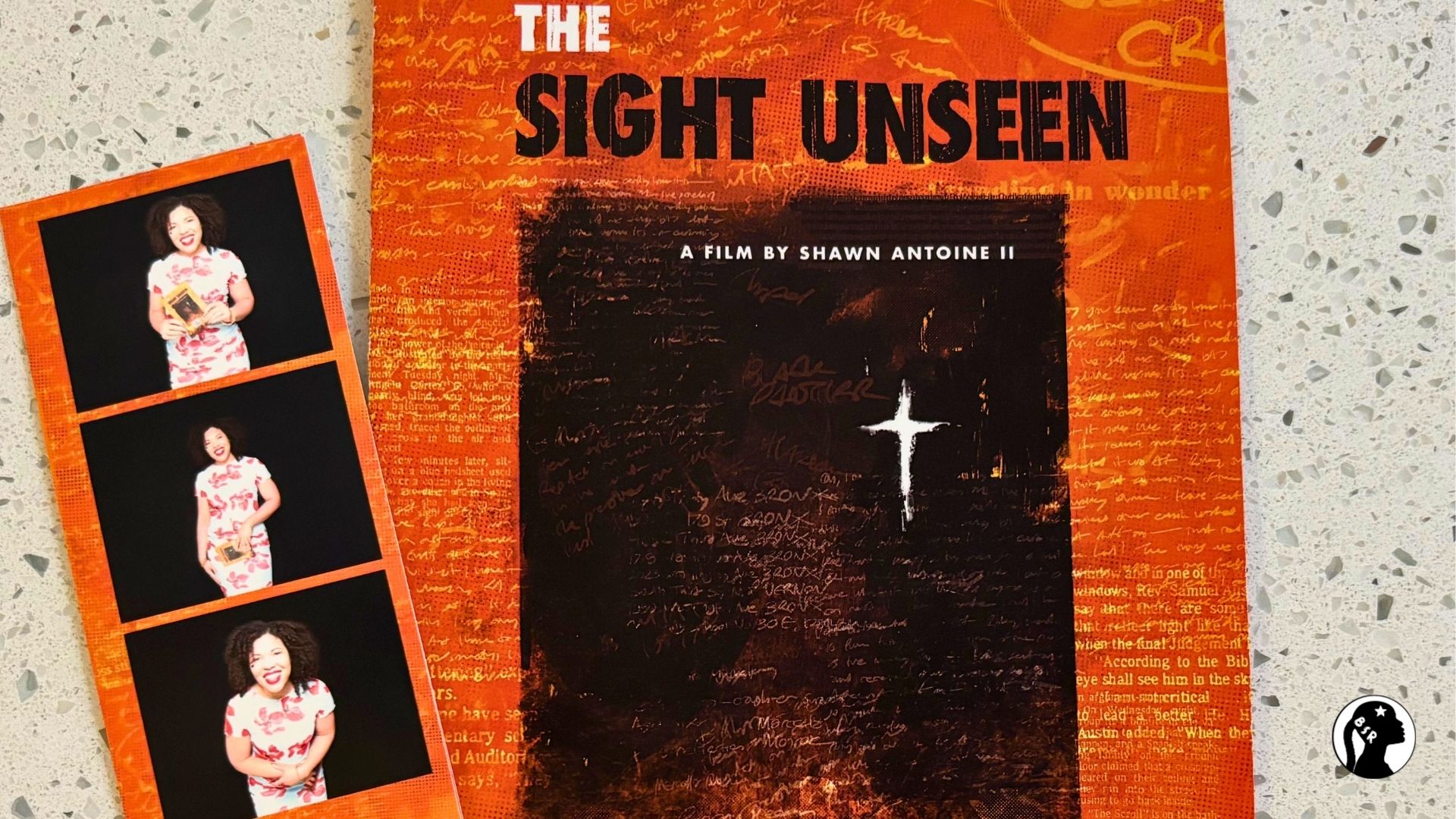
‘The Sight Unseen’ Film Premiere
Harlem filmmaker Shawn Antoine brings his family’s story home
Like millions of other New Yorkers, I was in my office (hardly working) when I heard that the entire sky had gone orange. After I looked out a window to confirm, I was sure of two things: 1) it was a sign of the imminent Second Coming, and 2) I was clocking out…especially if I only had a few more days to live. While human wickedness seems to be peaking this decade, the orange sky was not a sign of disapproval from a judgmental God. It was wildfire smoke from Canada and it wasn’t the first time. A similar instance was recorded as early as May 19, 1780 (long before planes, trains, and automobiles ballooned our carbon footprints). There are newspapers to prove this fact — and also, quilts.
Harriet Powers, who was born on a plantation in Georgia in 1837, quilted a number of scenes based on the stories of supernatural events she’d heard as a child, acts of God that happened before her lifetime. In addition to her depiction of the “dark day of 1780”, she’s best known for the 15-block textile Pictorial Quilt which illustrates the Leonid meteor shower of 1833. Her surviving quilts — only two of what was surely a vast collection — are a testament to craftsmanship, creativity, and preserving family stories.
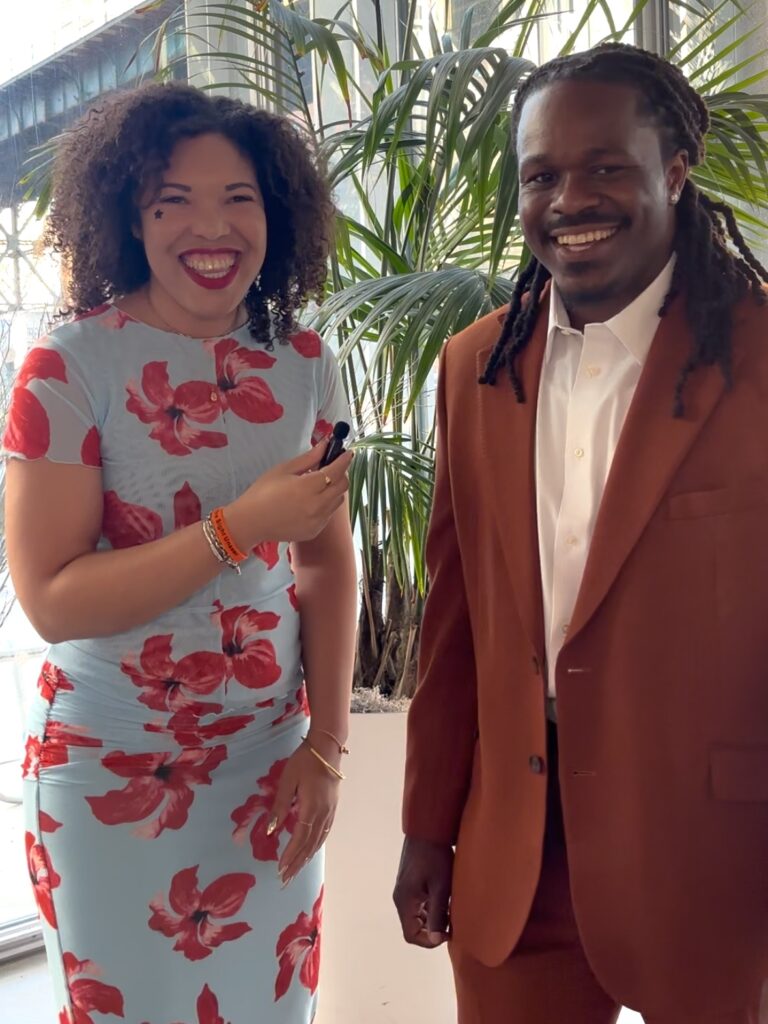
Interviewing Shawn Antoine II before the screening
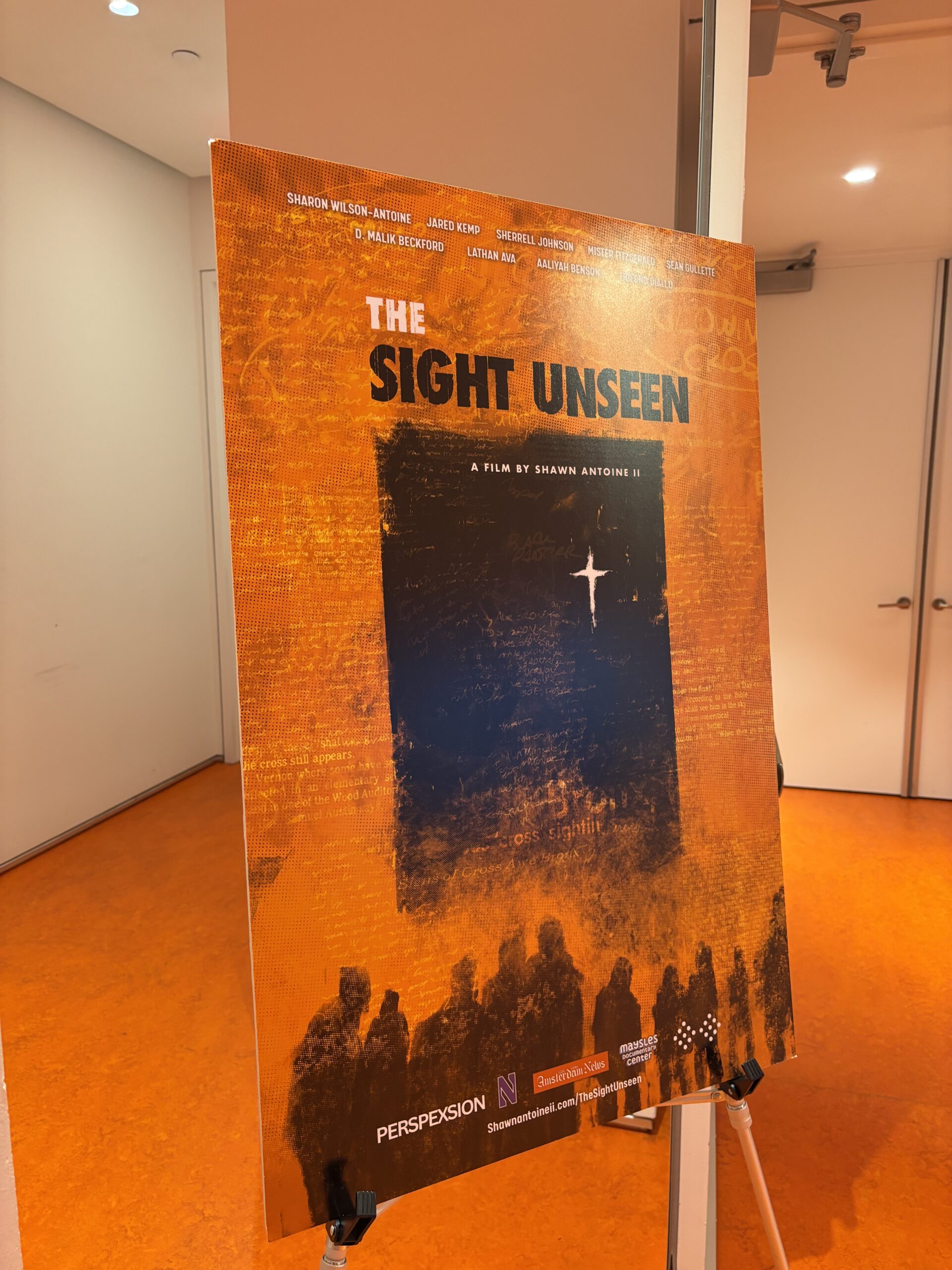
Shawn Antoine II has taken on a similar task in his 19th film titled The Sight Unseen. Using film and not quilts, Shawn has enlivened the vintage newspaper blurbs about the titular sighting that took place in 1971. The story is a personal one for Shawn. His aunt made passing mention of a family photo in the newspaper back when she and his mother were kids. Once he was able to confirm its veracity he set out to memorialize the story for his senior film school thesis.
When his mother Sharon Wilson was 6 years old, she saw a glowing cross in her apartment bathroom window. It glowed continuously for weeks and visitors came to the Bronx to see the cross for themselves. When journalist Melvin S. Tapley covered the rash of cross sightings that year in Harlem, the Bronx, and Westchester, he interviewed Sharon’s mother, Pearl, and photographed Sharon, Pearl, and Sharon’s sister, Peaches, for the Amsterdam News, an influential Black publication. (The New York Times, which is and always has been white, basically disregarded the sighting as fodder for the feeble-minded.)
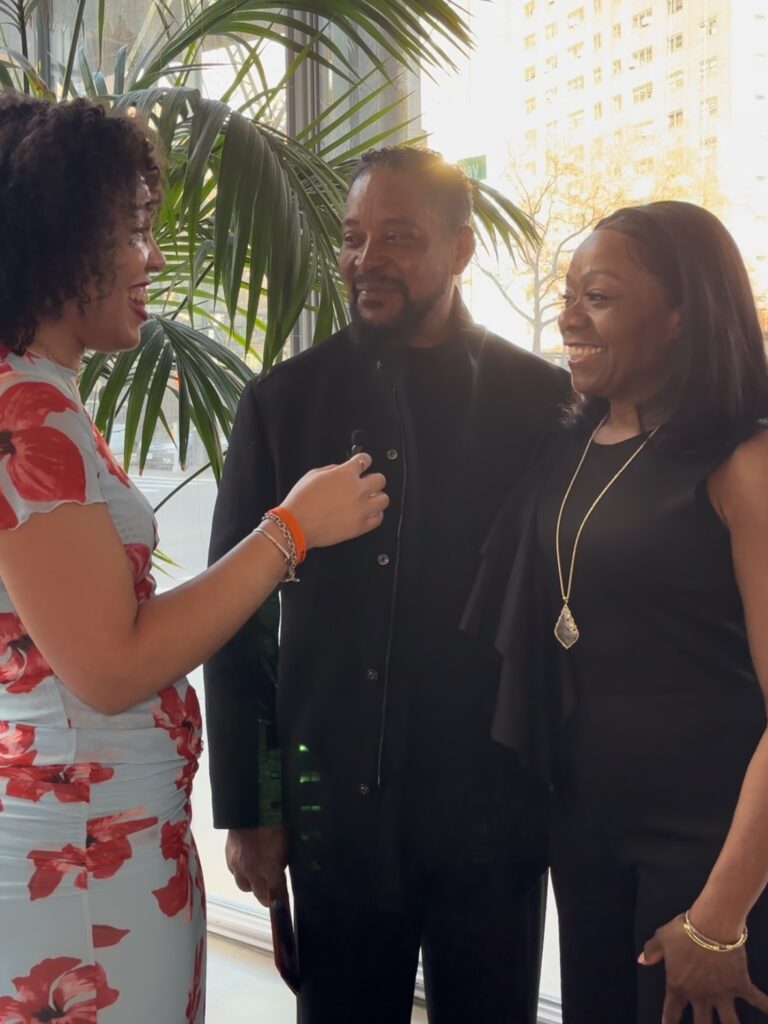
Interviewing Sharon Wilson (the subject of the film and the filmmaker’s mother) and her brother before the screening
The Sight Unseen retells the sighting, the ensuing fervor, and the push for coverage by Mr. Tapley in a format Mr. Antoine calls a “hybrid film”. This format uses first-person accounts, like the interview with Sharon, and reenactments, like when Lathan Ava plays Sharon as a child. The format is certainly not ground-breaking (a number of true crime series use a similar approach), but it works as a reminder that this story is all fact and no fiction. Mr. Antoine did his research, accessing the archives at the Schomburg Center to find the original article and photo and contacting Melvin Tapley’s living relatives to invite them into the process.
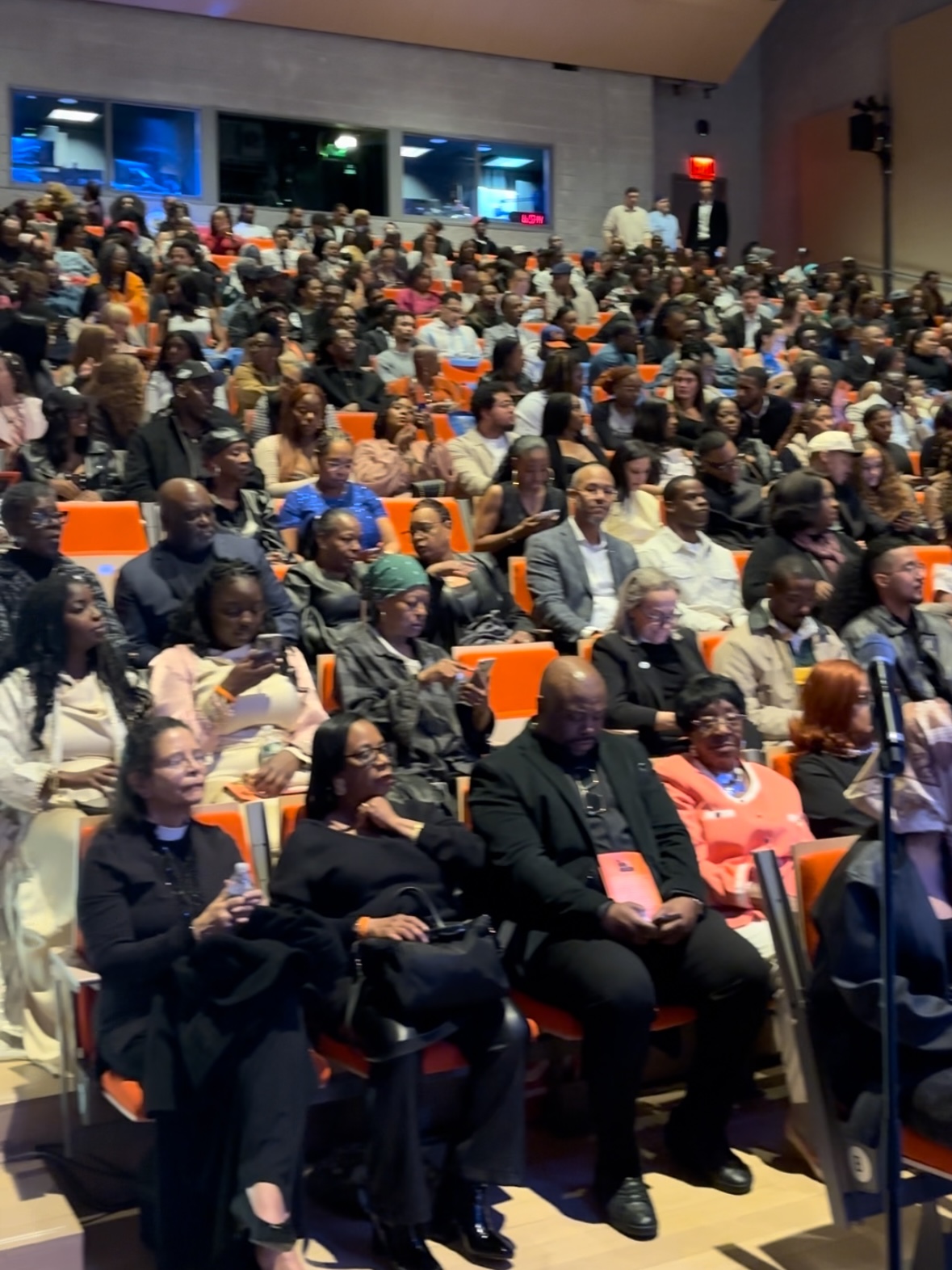
The film premiered in the theater room of a futuristic-looking high-rise called The Bollinger Forum at 125th & Broadway, part of Columbia’s recent expansion beyond it’s own closed wrought-iron gates. Attendees included Ms. Wilson’s family, Mr. Antoine’s friends from the Harlem Jets and Cardinal Hayes, the cast, and the production team in formal attire. Catering from Harlem mainstays — chicken from Charles Pan-Fried, macaroni & cheese from Manna’s, desserts from Settepani — offset the Ivy League sterility of the newly opened space.
The 40 minute project is exceptional for a student film but gritty by commercial standards. Some dialogue is scripted, some was improvised and a discerning viewer can probably tell which is which. At times, it seemed like the intention was there, but the execution stopped short. In his role as journalist Melvin Tapley, we see Jared Kemp constantly climbing stairs — at the Amsterdam News office, in Morningside Park, in Ms. Wilson’s walk-up — but the significance is unclear. In a tense newsroom scene, Mr. Tapley and another reporter argue about which stories deserve coverage: Black men dying in Vietnam, or Black mothers struggling to feed their families in Harlem. Not only is there no resolution to the discussion, a few shots later we see Mr. Tapley descend his first of many staircases to cover the Wilson family’s cross sighting rendering the whole debate moot. Apparently, covering alleged acts of God outranks stories about pointless war and child hunger.
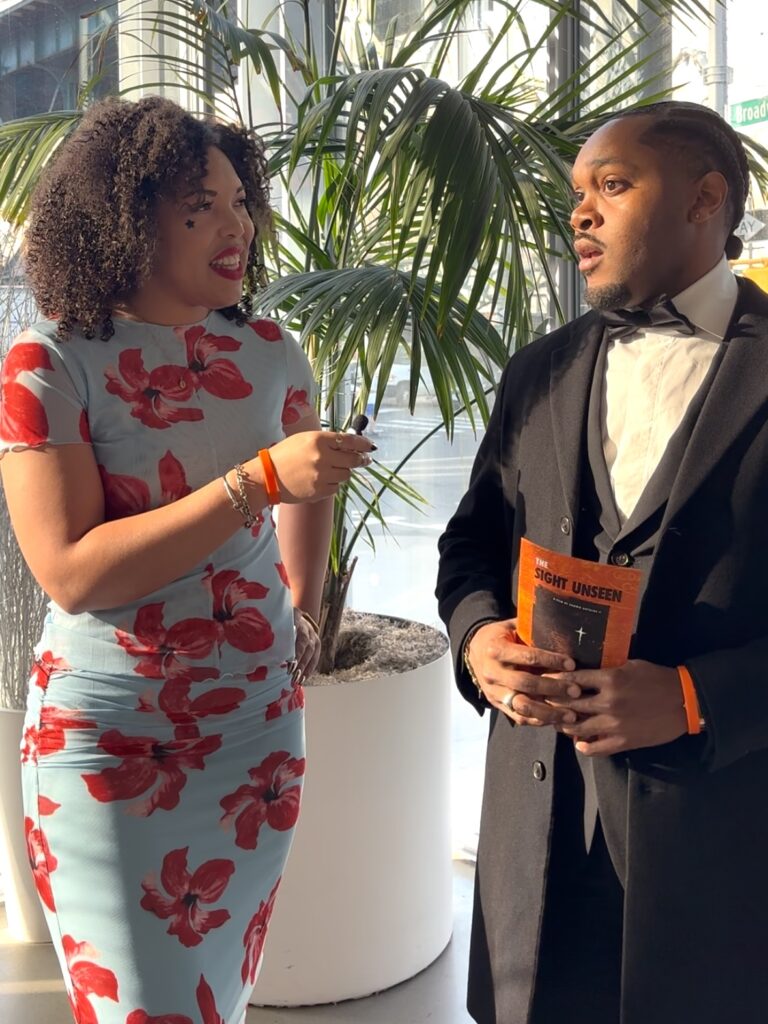
Interviewing Jared Kemp, who played Melvin Tapley, before the screening
Sometimes, withholding clarity works, like in the reveal of the glowing cross. We see it in the characters’ eyes first, the family, and the parade of visitors from the neighborhood, before we see it for ourselves. The delay sharpens the intensity of the moment, we’ve seen reactions that range from shock and awe to spiritual awakening. During the Q&A, we learned that Mr. Antoine directed the graphics team to make the reflection of the cross look different in each viewer’s eyes to illustrate the individuality of each encounter. When it’s finally the audience’s turn to bear witness, it looks as unbelievable as it must have felt in ’71.
During the Q&A, audience members asked how soon they could expect a longer version. After he addressed the critical role of funding (filmmaking isn’t cheap), Mr. Antoine agreed that there was more story to be told. He believes that “if Harlem loves it, the world will love it” and hopes that a stamp of approval from his community will push the project forward. Despite its occasional shortcomings, the film was well-received by Mr. Antoine’s most tenured supporters. It’s likely that his 23rd (if not 20th) film will reveal him as a cinematic force to be reckoned with. With his locs, glasses, understated demeanor, and dedication to Black stories, I’m sure he’s often described as a young Ryan Coogler.
In getting his mother’s story on the record in The Sight Unseen, Shawn Antoine II has continued a legacy of memorializing stories from the Black experience that may have been otherwise forgotten. Just like Melvin Tapley and Harriet Powers before him, he’s used his medium of choice to take a story from the past, make a mark in the present, and send it into the future.
blacklove 🖤 and starlight 🌟
The Sight Unseen was written, directed, produced, and edited by Shawn Antoine II. The film was screened in New York on April 11, 2026 and I attended at the invitation of the director. Learn more about future screenings and see coverage of the NY premiere on Instagram @TheSightUnseen1971.
-
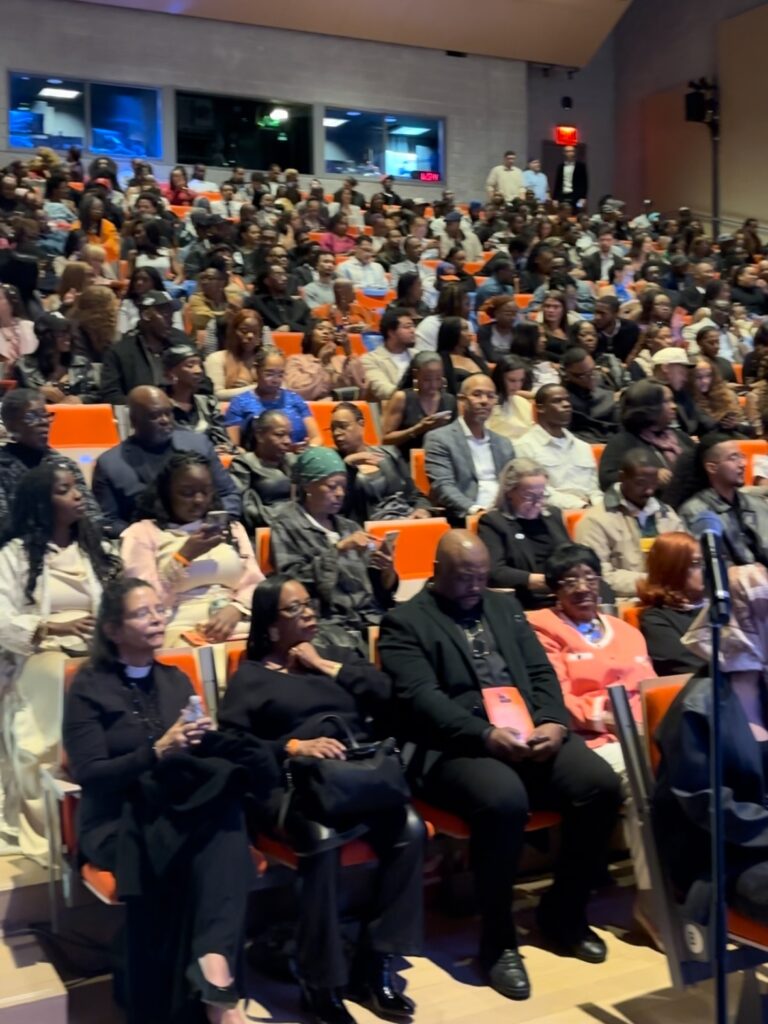
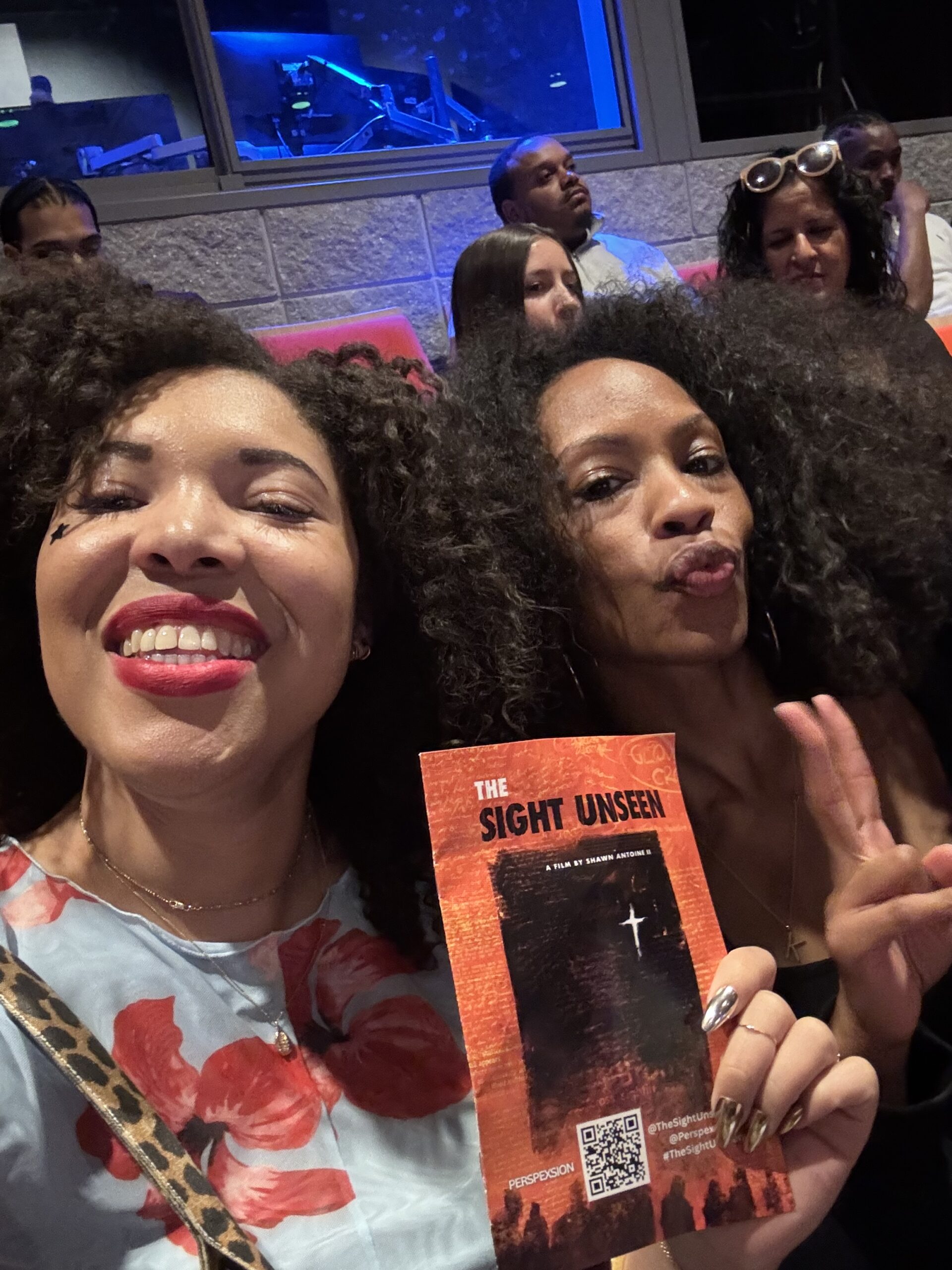
- The screening room was packed with Mr. Antoine’s family, friends, and contributors
-
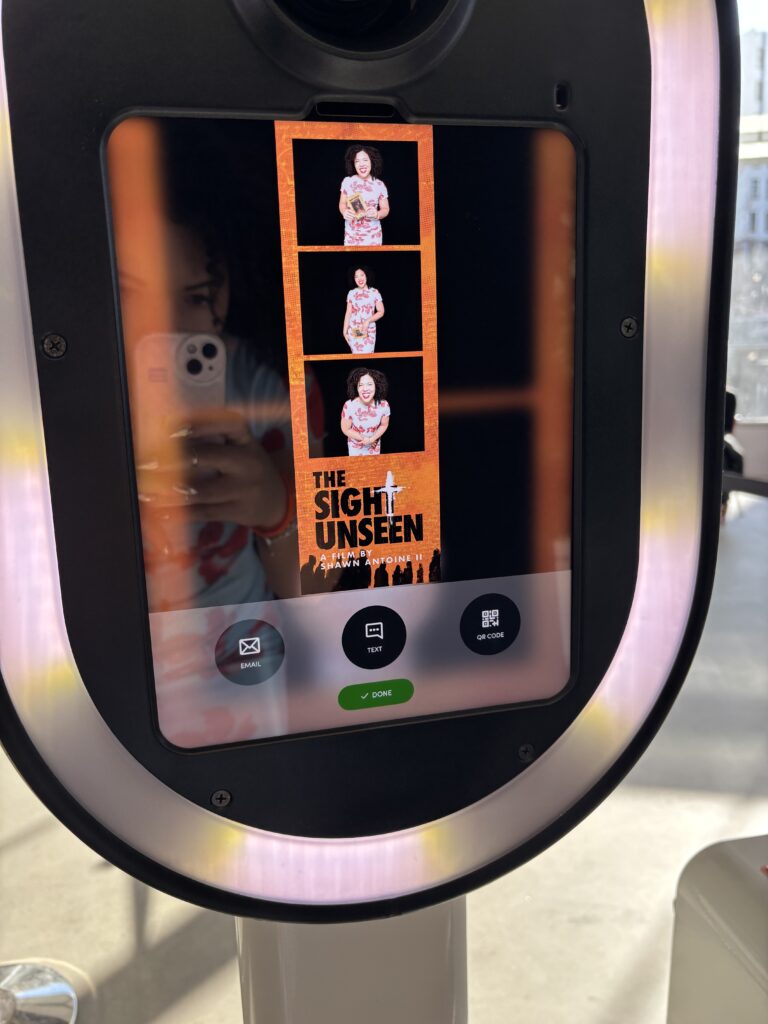
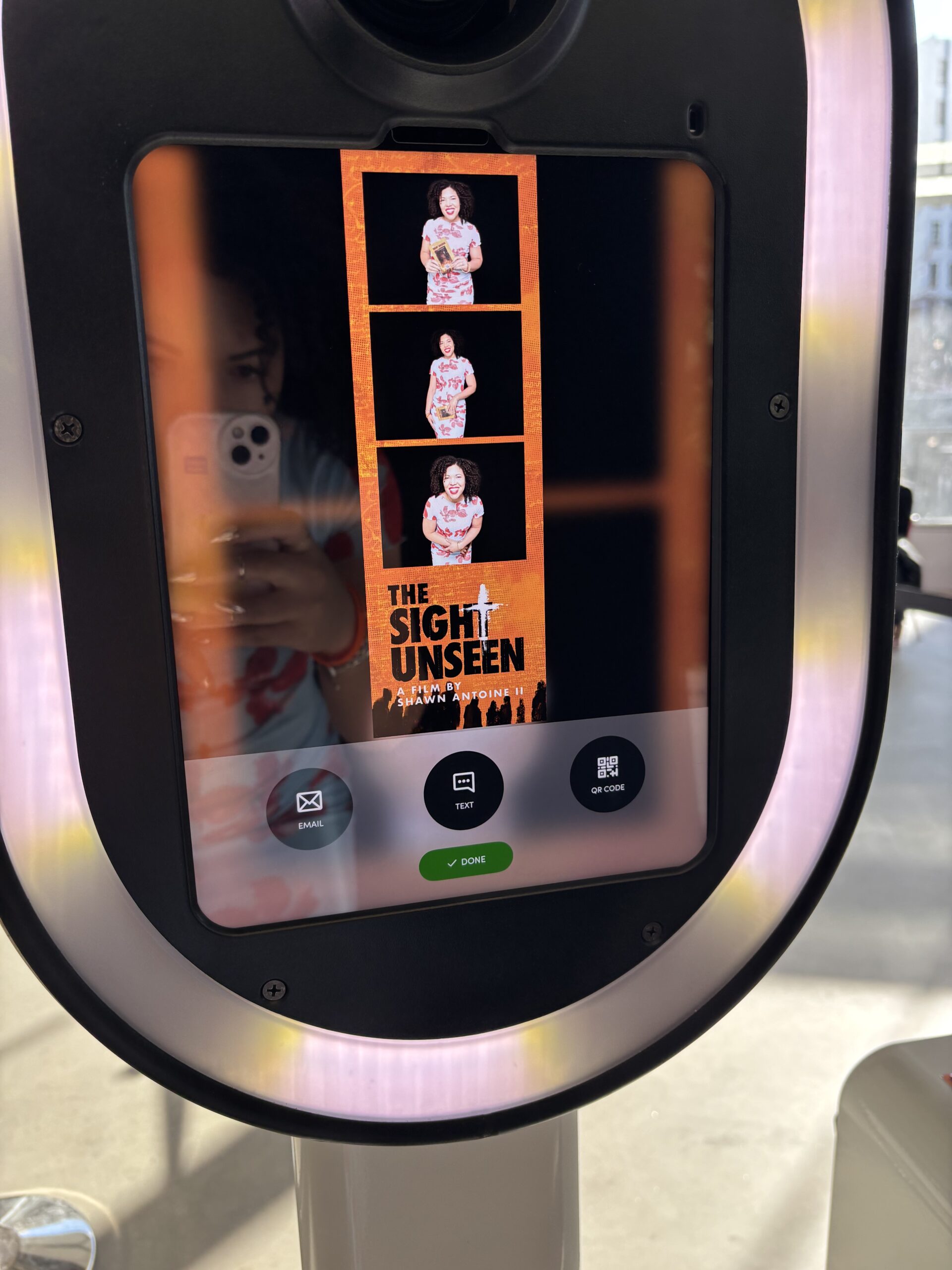
- A photobooth was available for guests