NBT Panel: Reflections from Our Elders
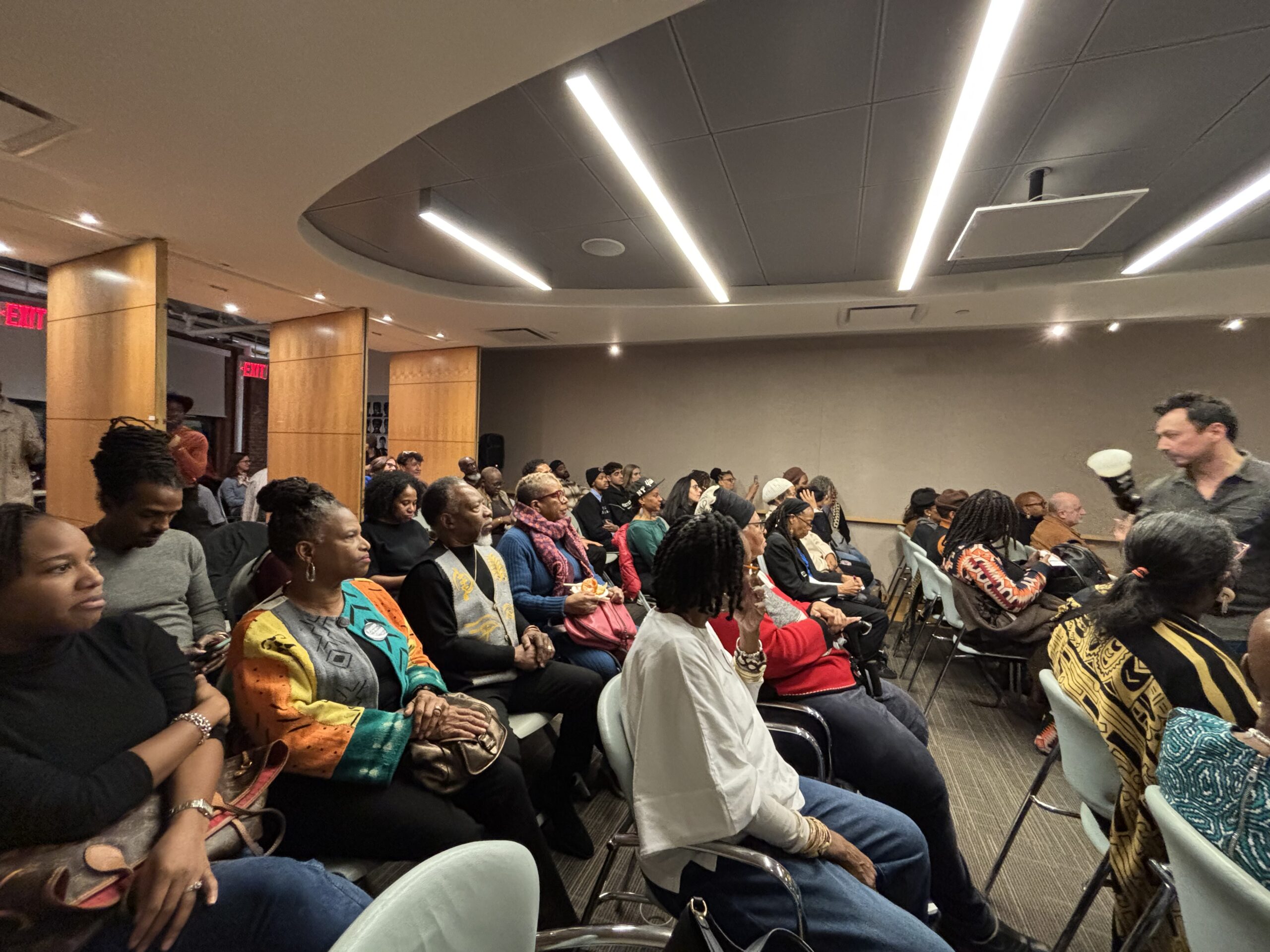
While they await finishing touches on their new home, the National Black Theatre has remained active in its itineracy, producing plays in partnership with Ars Nova ([Pray]), The Flea (Chiaroscuro), and The Apollo (Kings…Come Home), and combing through 96 boxes of Reel2Reel footage they uncovered during demolition prep. The Hemispheric Institute at NYU assisted with converting the archival film to a contemporary format and hosted NBT in a residency to display some of the finds. To kick off the free ‘Visualizing Legacies and Futures’ exhibition, NBT hosted a panel called “Reflections from Our Elders: Intergenerational Convo with NBT’s Liberators”.
“For me, 1968 – no matter where you were – was a crack in the cosmic egg. Because that day changed everybody’s life…”
Abisola, in a cheery yellow blouse and a black cardigan printed with rows of gold pyramids, sat three seats down from the moderator. Her wavy gray hair, pulled back to the nape of her neck, was the only visible proof that she’d been an adult of employable age in 1968. The request, from National Black Theatre CEO and moderator Sade Lythcott, was for panelists to share parallels or wisdom about 1968 the year that both Dr. King was assassinated and the National Black Theatre (NBT) was founded.
“That man died for me, he died for us,” Abisola continued. On the day King died, she remembers black smoke coming up behind the Capitol building, flags flying at half mast, and her father coming to pick her up from her office at DC Public Schools. She followed her older brother, a Howard graduate who’d left his job as an electrical engineer after seeing Dr. Barbara Ann Teer on TV, to join NBT. He’d felt Teer had spoken to his soul. On Abisola’s first day at NBT in May 1969, Teer greeted her with a wink and a warm greeting, “Welcome home, sister.”
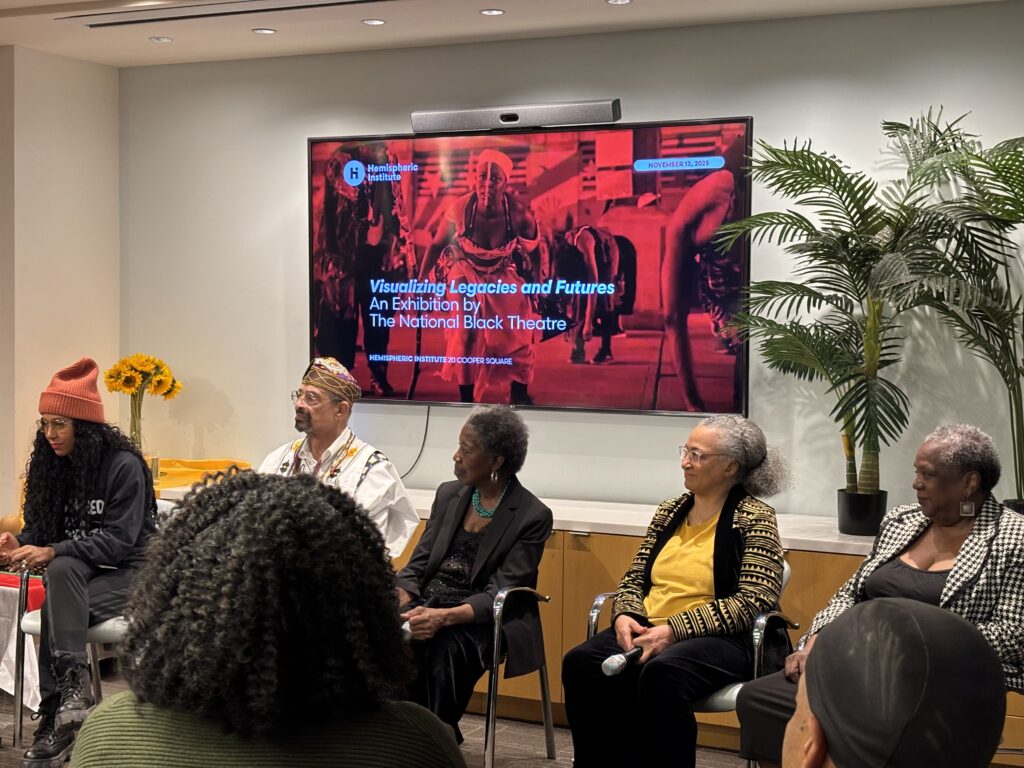
(L-R) moderator Sade Lythcott; panelists and founding liberators Baba Adeyemi, Ayodele, Abisola, and Aduni
The other panelists — Baba Adeyemi, Ayodele, and Aduni (all names they took on when they joined NBT) — shared overlapping accounts of their first encounters with Dr. Teer who, even in her passing, continues to command rooms and invite us to fall in love with ourselves. (Her legendary afro was mentioned several times.) They joined Dr. Teer as founding Liberators, the original company members of NBT, through feats atypical for actors. Dr. Teer had achieved conventional success on Broadway as a professional dancer, until an injury spurred a pivot to theatre. According to the Liberators, she was trained in the Stanislavsky method by Sanford “Sandy” Meisner, who was one of few actors to learn from Stanislavsky himself. Method acting, an approach to developing a character by understanding that character’s inner life, informed Dr. Teer’s approach to training Liberators.
She believed that the similarities between standing on the slavery-era auction block and auditioning for roles was especially triggering for Black actors, and she felt that in order to tell Black stories and authentically portray Black characters the actors must complete a “decrudding” process through the 5 Cycles of Evolution. Panelist Baba Adeyemi (Michael John Anthony Lythcott and father of Sade) reiterated that “it was not enough to imitate or study [Black archetypes like Nigga or Negro], you had to be it.” For the Negro cycle, actors went in pairs to the Tiffany store to browse for jewelry. If a salesperson waited on them for at least 15 minutes, it meant the actors were believable as a well-to-do Black couple with the means and intent to make a purchase and the actors had passed their ‘audition’. Each of the cycles had its own unconventional test designed to help the actors feel how all expressions of Blackness were part of our collective story. The only way to pass the tests was to find the connective psychic tissue between yourself and the character — to love the corner wino, the neighborhood pimp, the militant teen just the way they were.
It was never mentioned in the room, but the 1968 version of NBT shared a handful of characteristics with a cult — charismatic leader, renaming processes— but not the ones that seemed most dangerous — authoritarian control and isolation from society. Founding Liberators hold beliefs like “God lives in me” and “all the power that ever was or ever will be is here in you, and in me”, ideas that are only countercultural in a world that made us slaves. In place of isolation, there were community events like “The Blackening” a free, weekly event described as ‘a podcast before there were podcasts’. Black celebrities came and spoke directly to the community away from the white gaze.
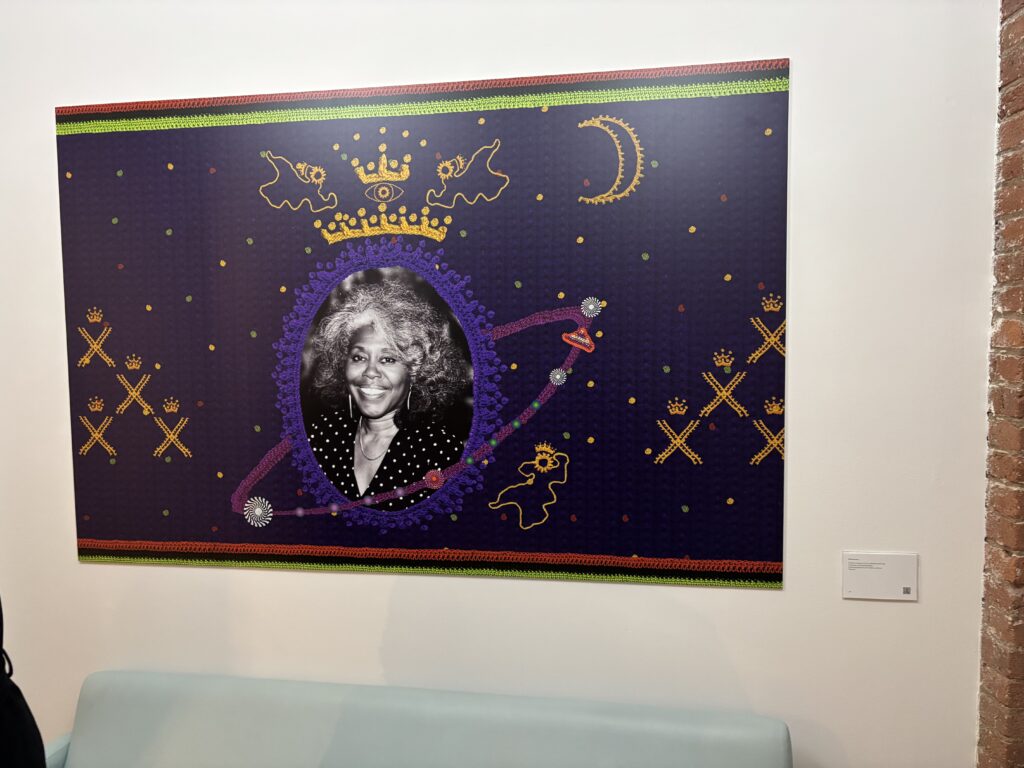
Title: Steel Away
Description: “Digital collage with Dr. Barbara Ann Teer; commissioned by NBT”
Credit: collage by Xenobia Bailey, 2019
No matter your opinion on Dr. Teer’s singular vision and unconventional approaches, her institution is very nearly the last one standing. The panelists and a few audience members rattled off a list of theaters that were active during NBT’s early days: Harlem Repertory, New Federal, Ernie McClintock, American Negro Theatre, and more. They’d attend each other’s shows, borrowing drummers and performers when they were in a pinch. Negro Ensemble Company was a downtown operation established through a grant from the Ford Foundation. Grants like those were inaccessible to NBT, whose avant-garde style, and unapologetically Black aura were not as attractive to arts donors who preferred NEC’s artistic edge of casting Black actors in classic American plays. NBT was self-funded, which makes the company’s ownership of its theater and 1983 purchase of the land on 125th Street and 5th Avenue all the more impressive. Dr. Teer’s legacy lives on through her children as well, her daughter Sade is the CEO, her son Michael chairs the Board. Since 2023, NBT has won a Pulitzer and a Tony.
As they prepare to return to their newly constructed home, the NBT creative team has mounted a season themed “The Alchemy of Return: Remembering Is a Radical Act”. Sade contextualized the theme as she moderated. “Our art is being erased and scrubbed from websites, our books are being burned and banned, many describe this landscape of America today that feels so foreign to many of the young faces in here, but I imagine was quite similar to 1968.” When we ground in the present, these times feel unprecedented: a felon for President, federally authorized kidnappings, assassinations of private citizens. When we reach back to the past, we remember that we’ve overcome this and more. It reminds me of another Dr. Teer-ism I transcribed at the panel, “If you know the beginning well, the end will not trouble you.”
blacklove 🖤 and starlight 🌟
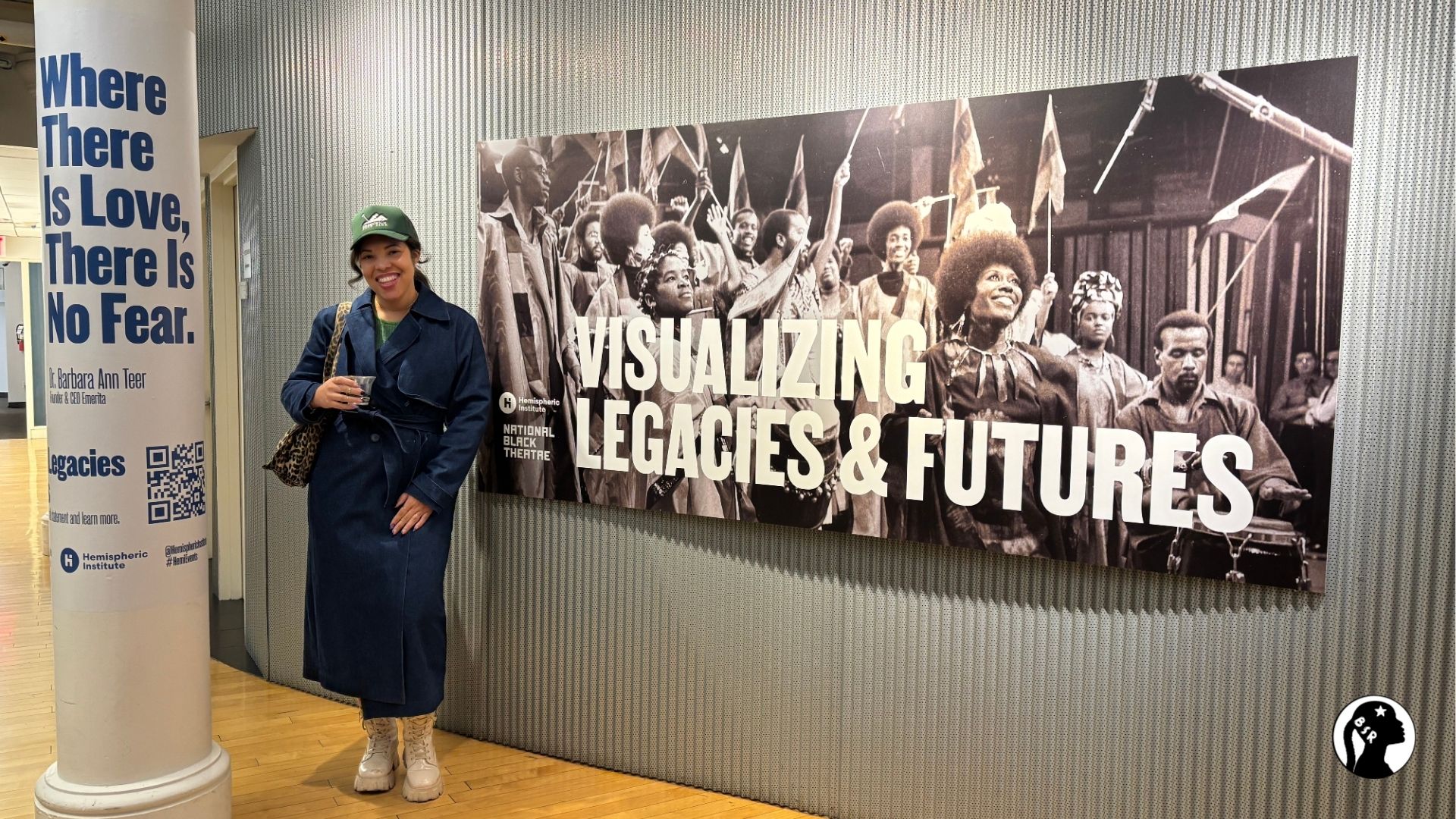
Reflections from our Elders was one part of a 3-event series to kick-off the National Black Theatre’s residency and exhibition at NYU’s Hemispheric Institute of Performance and Politics. The exhibition “Visualizing Legacies and Futures” is free and open to the public through February 27, 2026 though you must request to visit in advance. Thank you to NBT and The Chamber Group for the invitation to the panel and opening reception.
-
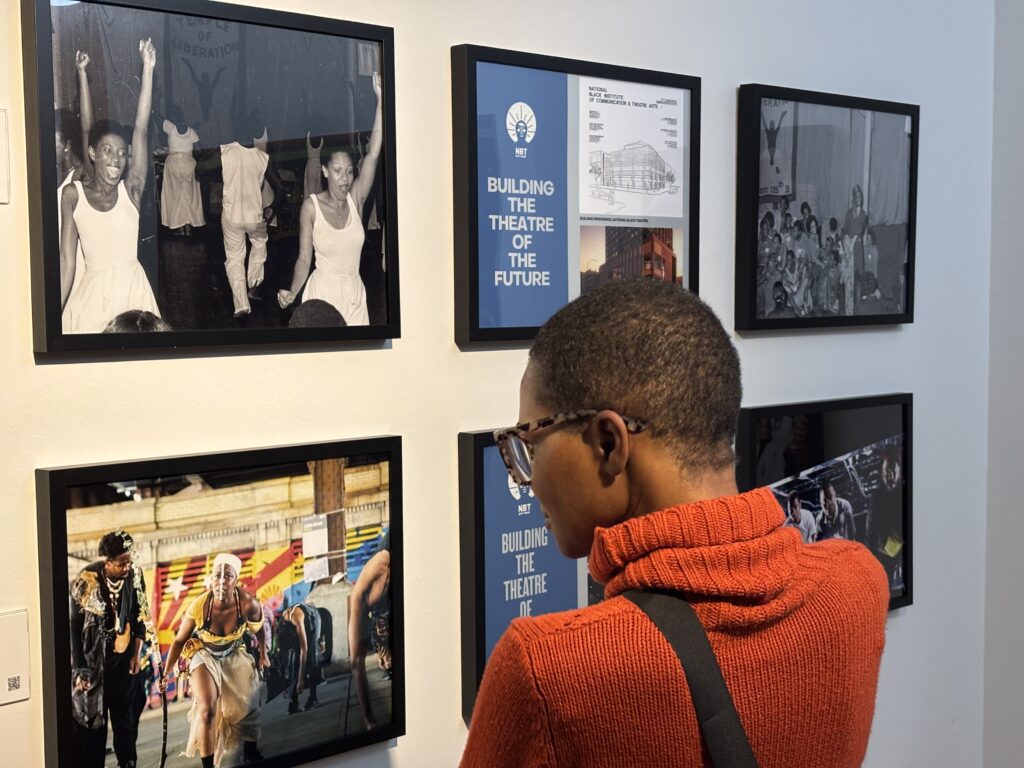
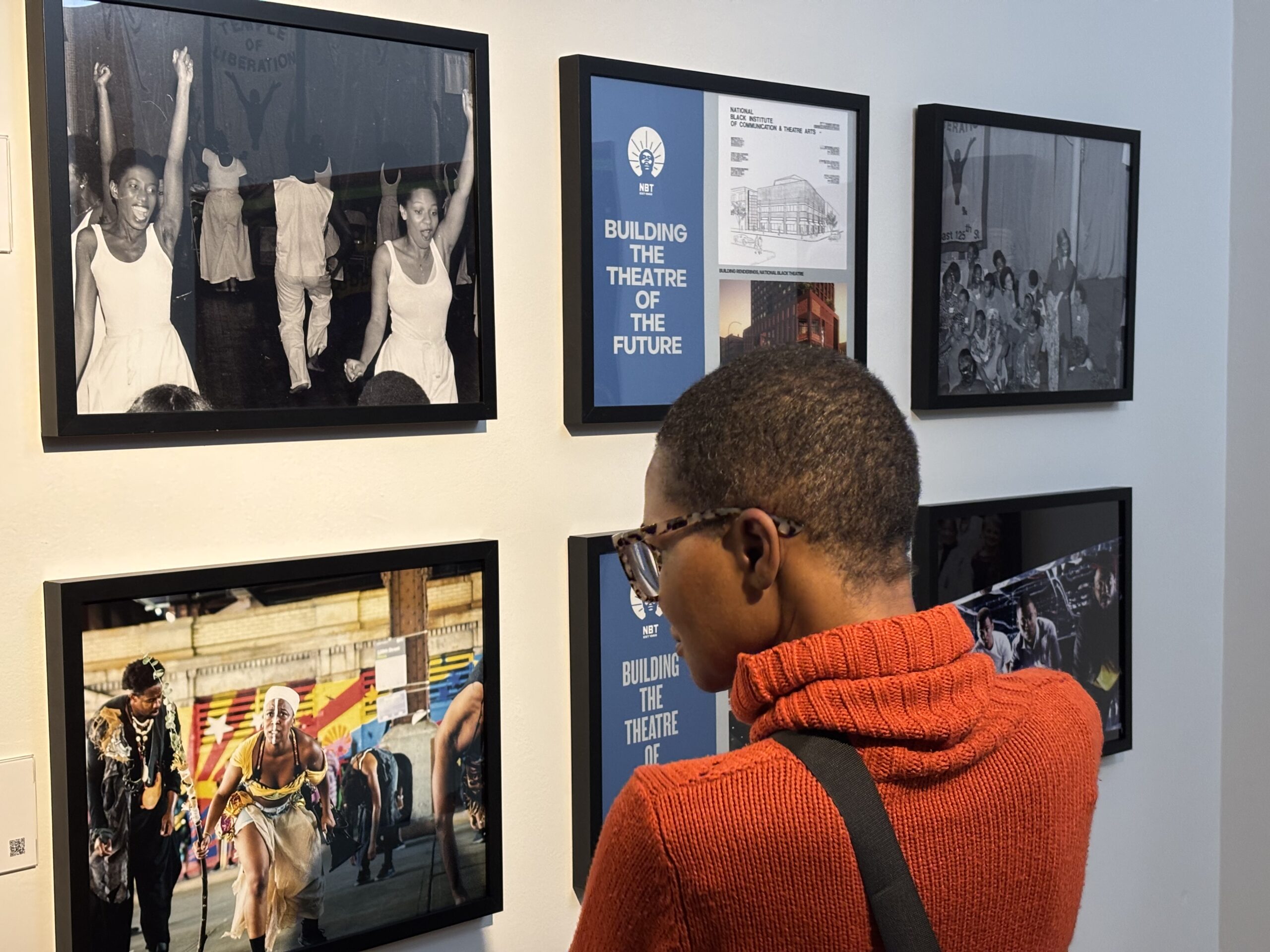
- An attendee observes archival images on display in the exhibition.
-
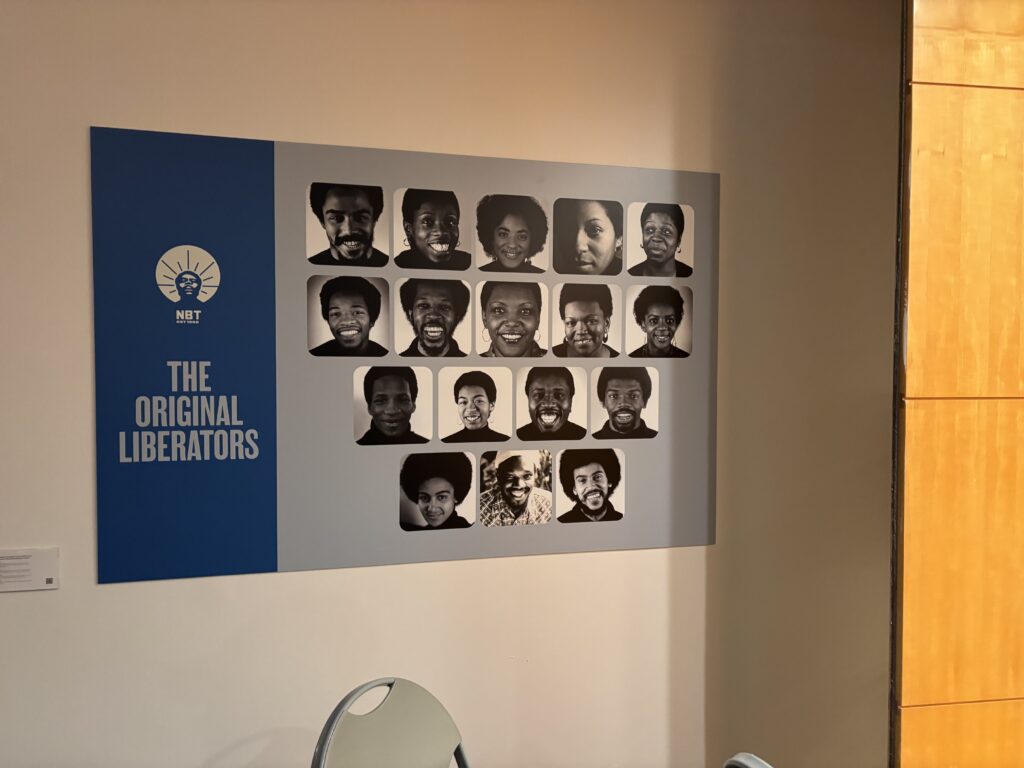
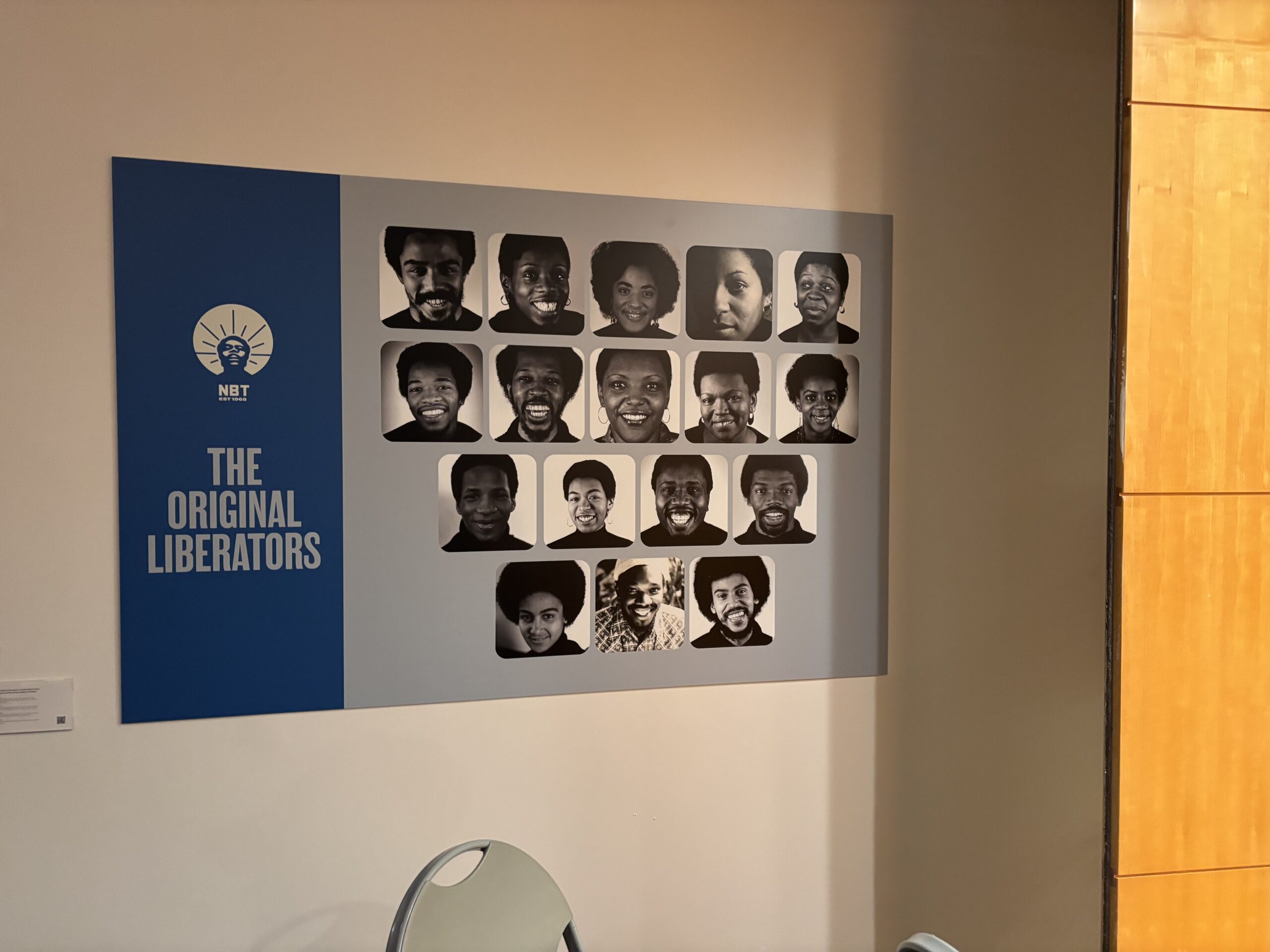
- A poster on display in the exhibition depicts the founding liberators, including those featured on the panel.
-
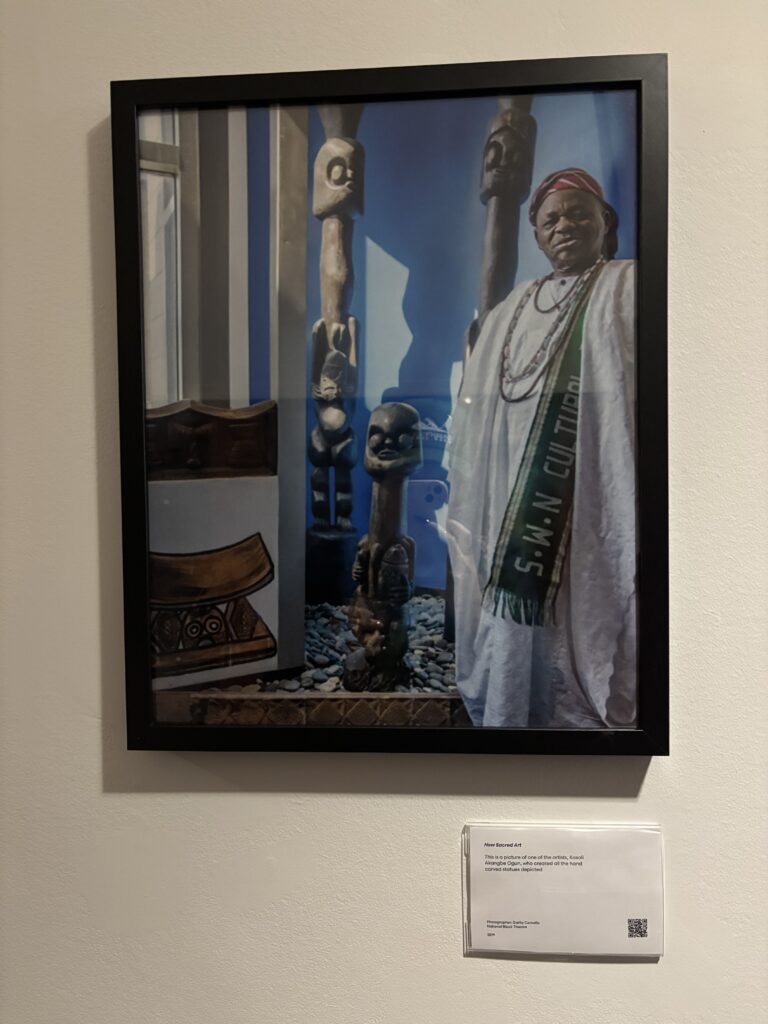
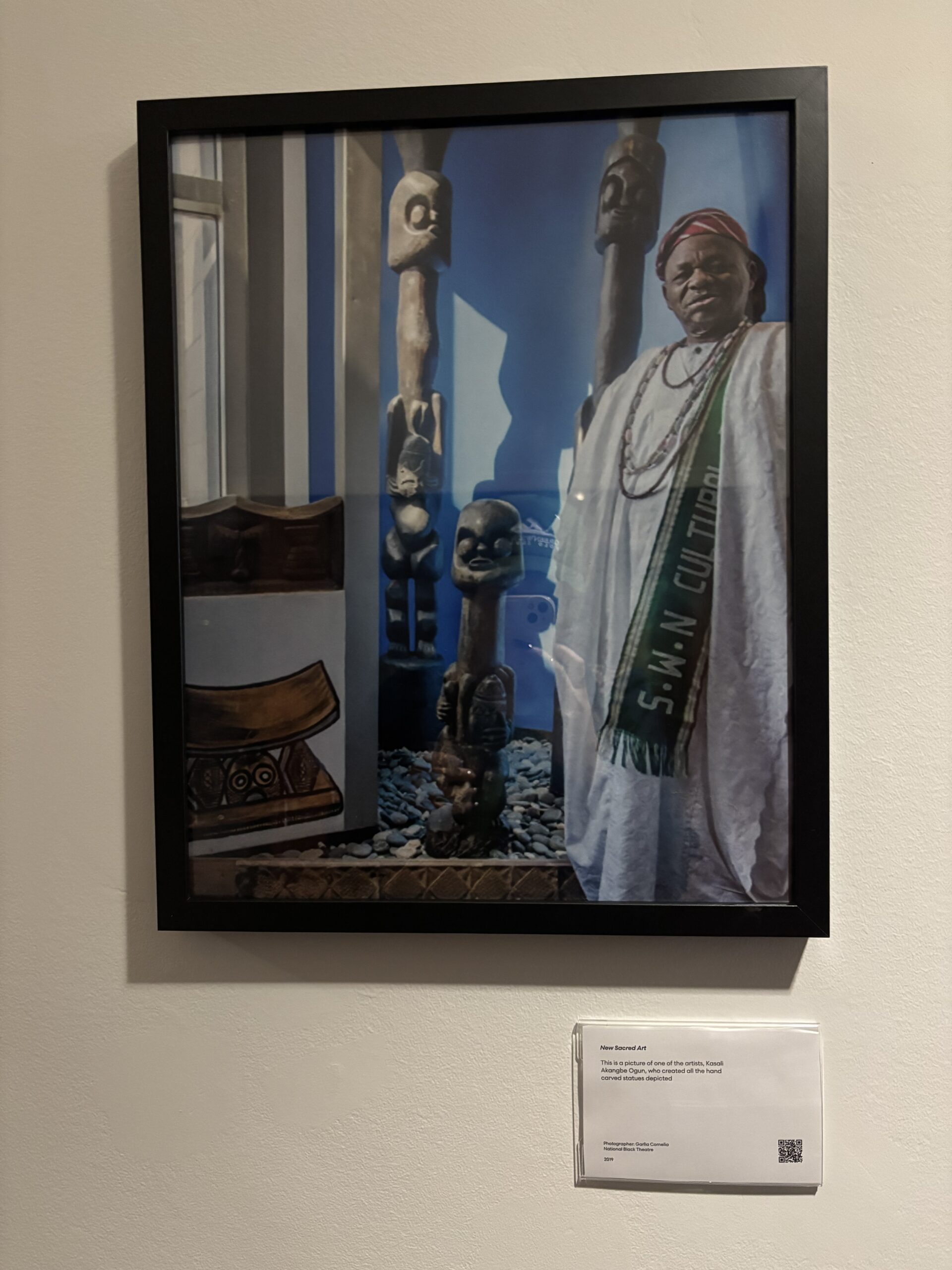
- Title: New Sacred Art Description: “This is a picture of one of the artists, Kasali Akangbe Ogun, who created all the hand carved statues depicted” Credit: photo by Garlia Cornelia, 2019
-
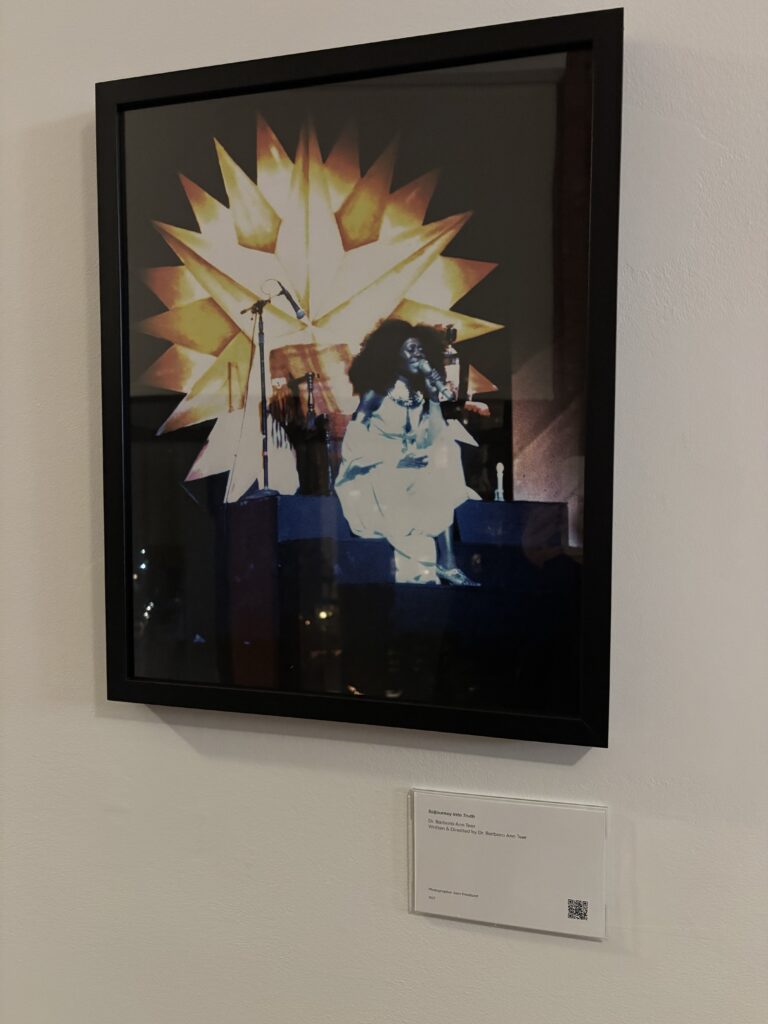
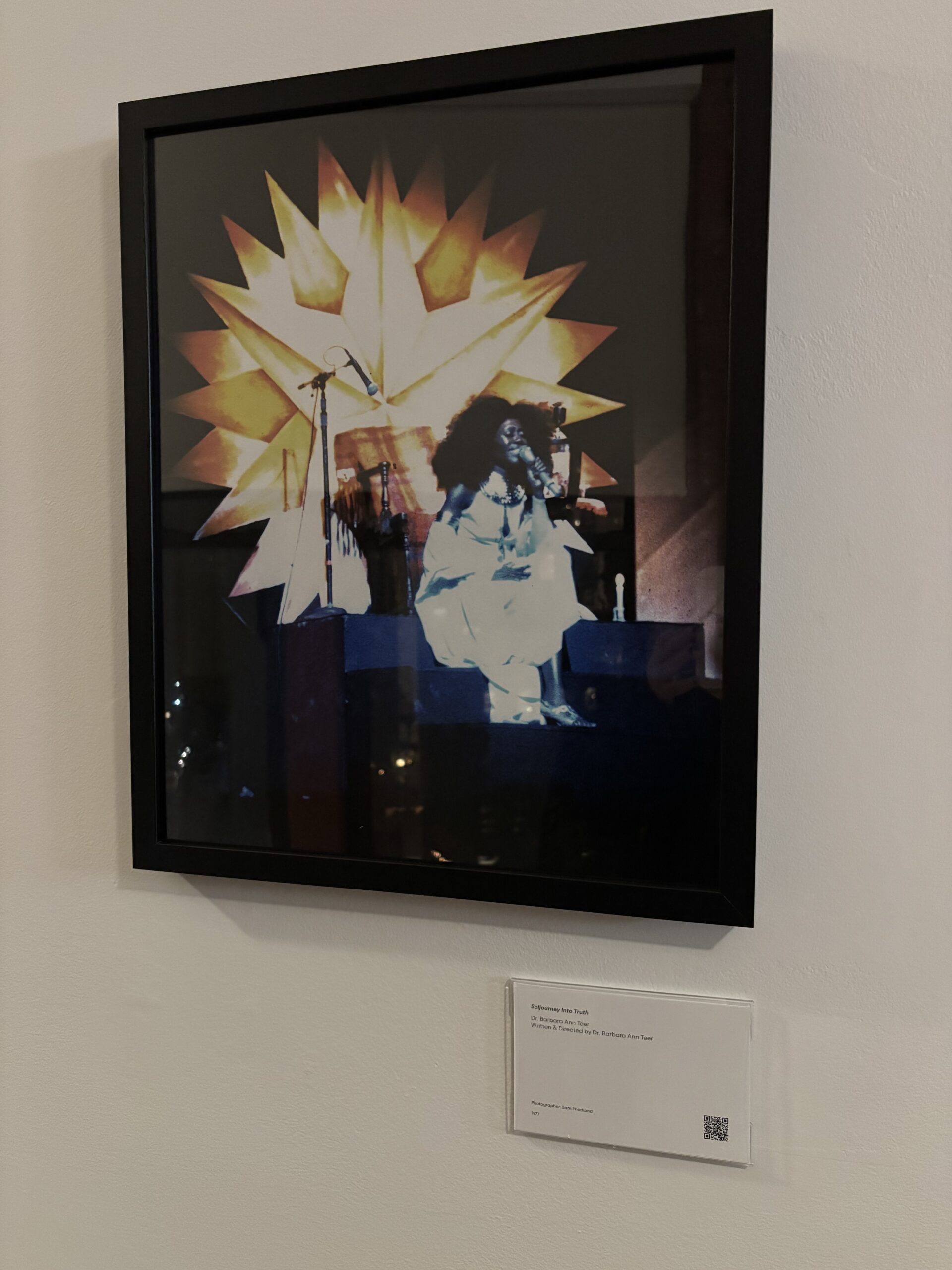
- Title: Soljourney Into Truth Description: “Dr. Barbara Ann Teer” Credit: photo by Sam Friedland, 1977
-
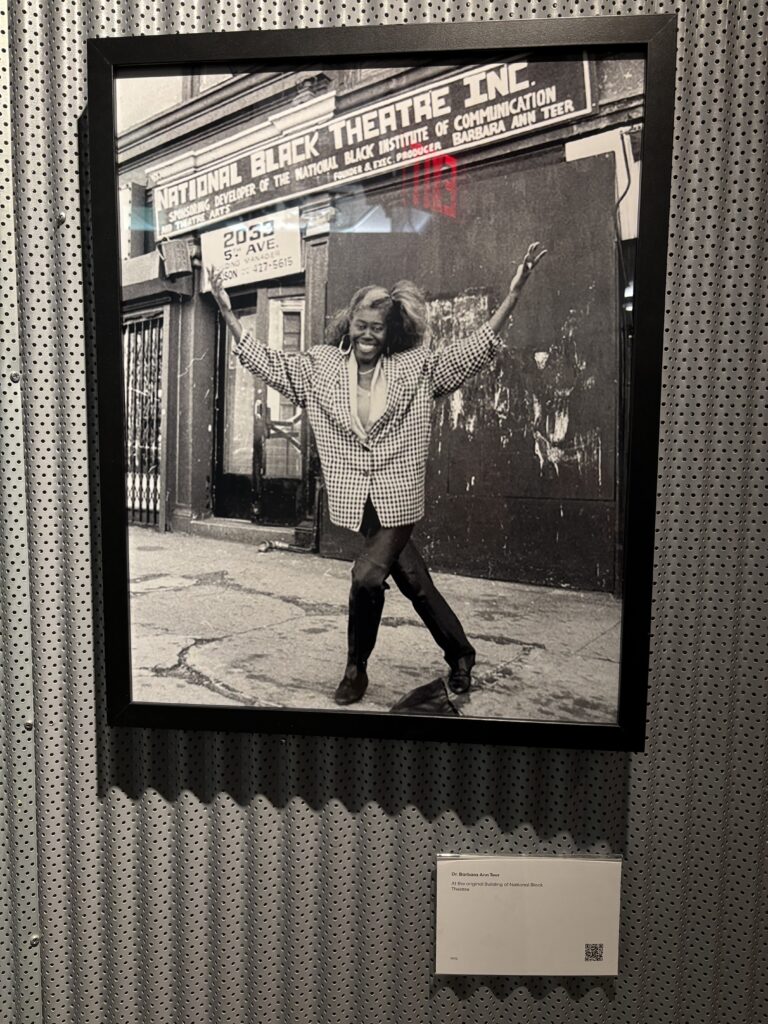
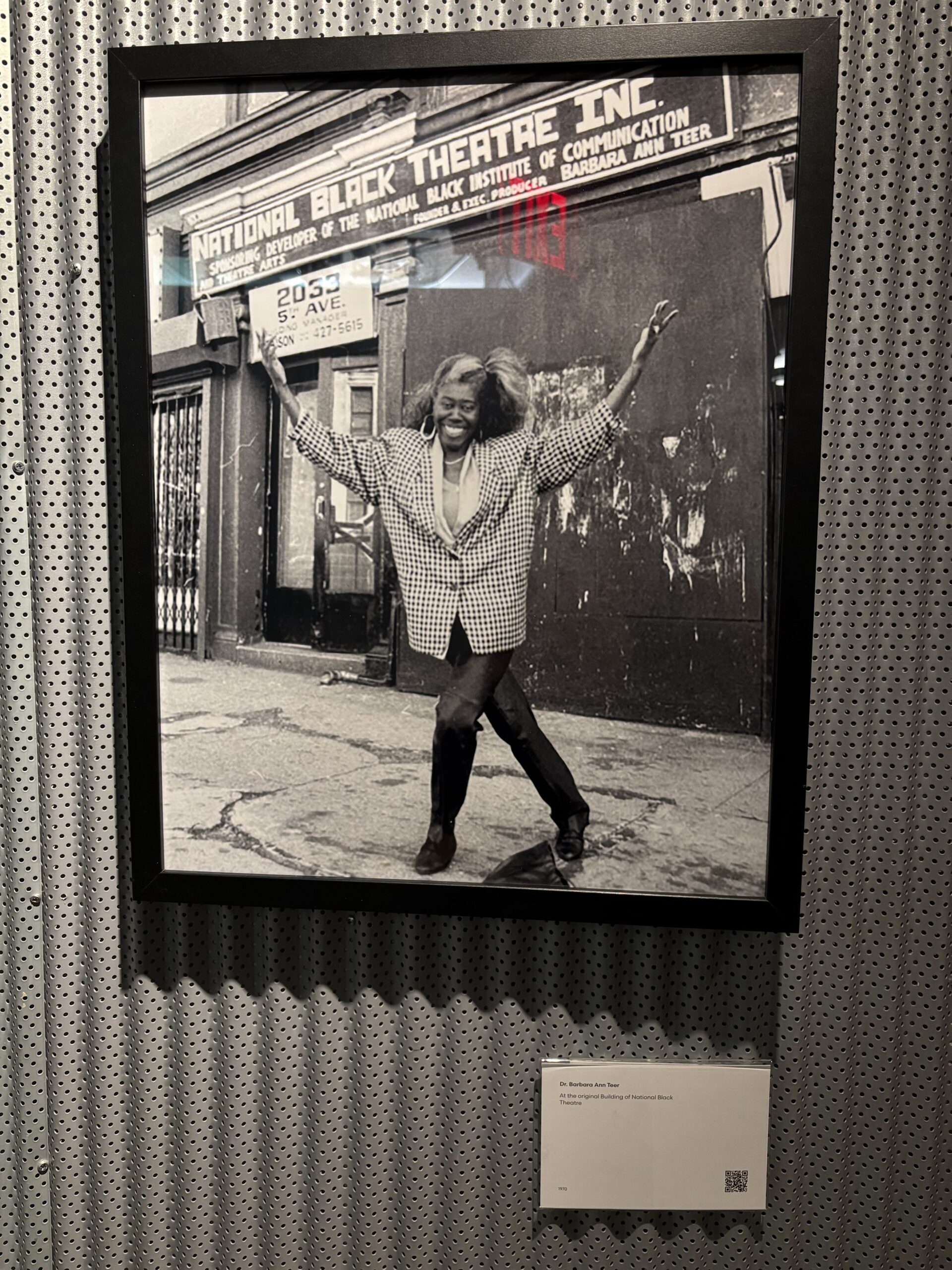
- Title: Dr. Barbara Ann Teer Description: “At the original Building of National Black Theatre” Credit: photo, 1970
-
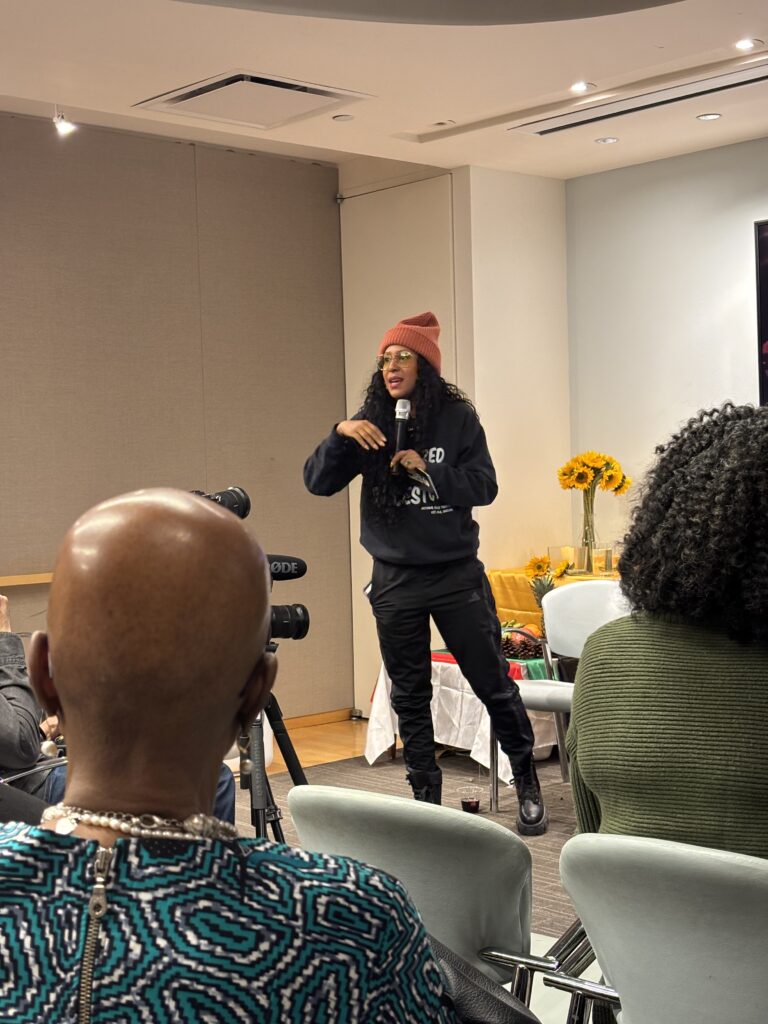
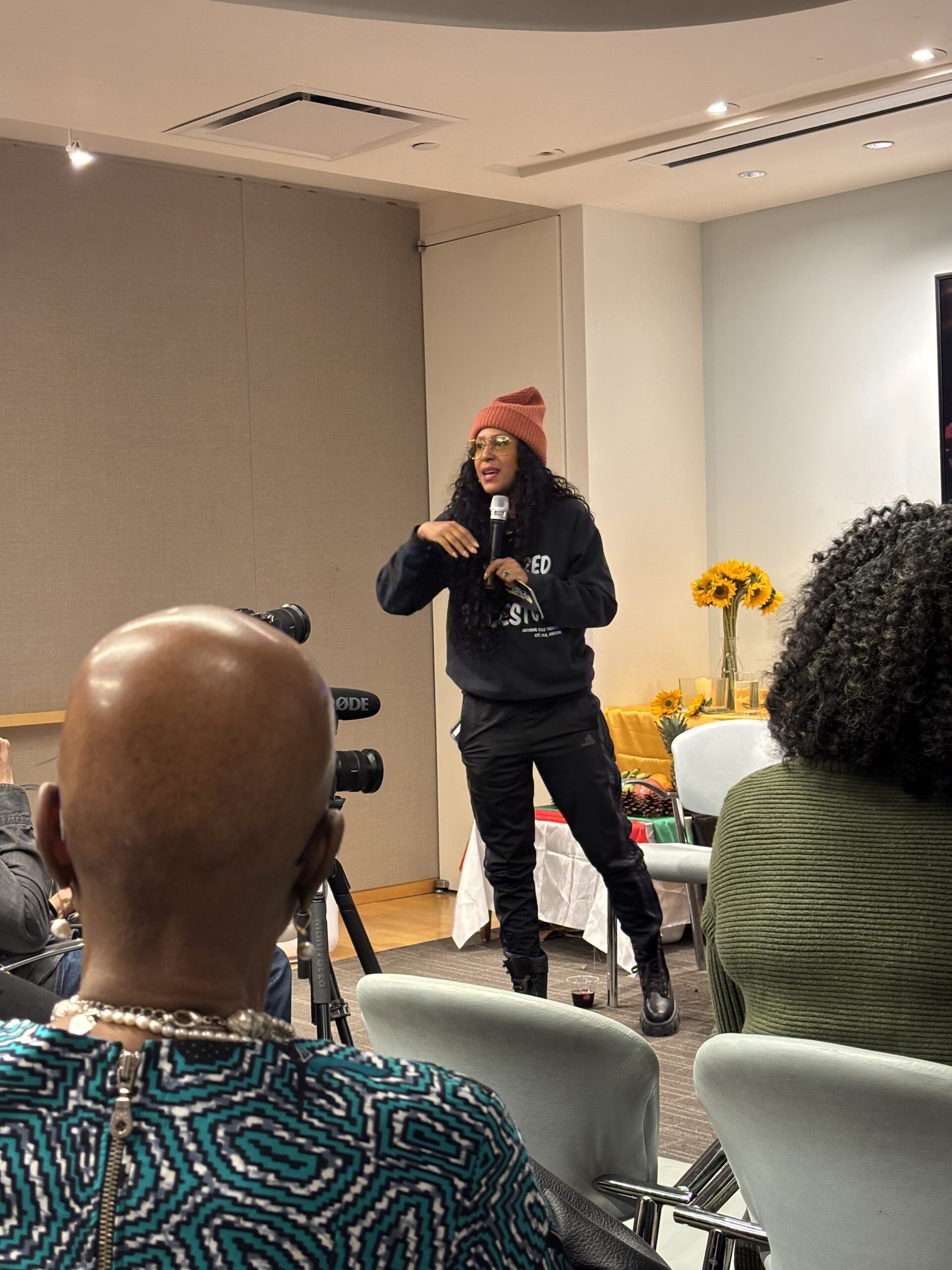
- Sade Lythcott, who moderated the panel, is the CEO of National Black Theatre and the daughter of NBT founder, Dr. Barbara Ann Teer.
-
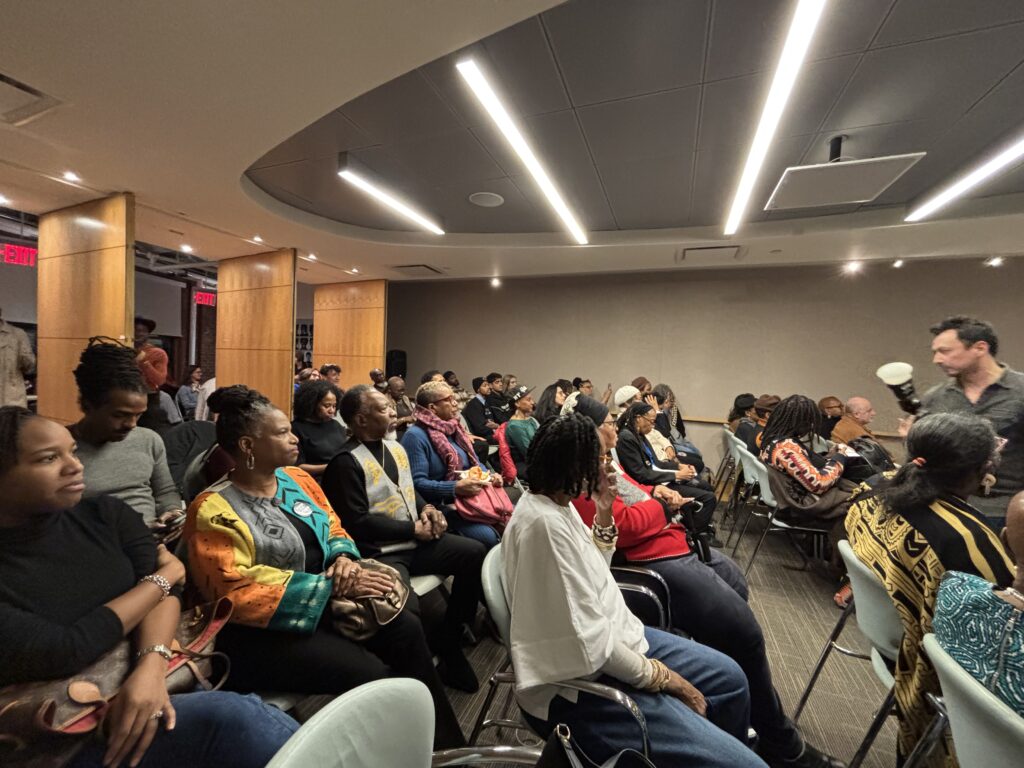
- The audience looks on during the panel discussion.