
‘Superfine’ at the Met
The Met’s lavish homage to impeccably tailored Black dandies falls short of a perfect fit.
There was a basket of bobbins, needles, and thimbles in our basement next to a sewing machine with its own hard plastic carrying case. Packets of patterns, mostly McCall’s, were filed by number as neatly as we could manage since there was no way to wrangle the tissue paper back into its envelope as crisply as it had come.
If you walked your fingers through the packets, you’d see my childhood in outfits. My Easter dresses, my Christmas dresses, the blue sequin spaghetti-strap top I wore to emcee the talent show at Spring Hill Elementary, the poufy bubble gum colored cupcake dress I wore to my Sweet Sixteen. My mom sewed everything I wore for any major occasion, which encompassed church holidays, performances, and sometimes performances at church holidays.
Of course, she did all of the heavy lifting (the pinning, the sewing, the adjusting, and the late nights at the pedal), and I assisted where I could (gingerly cutting the patterns, shearing the fabric she’d pinned, standing stone still when she needed to pin something on me, and gushing my thanks when it was finished), but together we had true creative freedom. All it took was inspiration — borrow the neckline from this dress, take the sleeves from this blouse, reimagine the gown in an unconventional fabric — and like a paper doll, you could wear your own creation.
I miss this autonomy when I’m forced to click through pages of garments online, when I’m looking for something I can envision but doesn’t seem to exist. What do you mean I can’t swap the print, can’t customize the inseam, can’t even touch the fabric before I’ve committed to the purchase? And it’s possible, like I do now when I shop online, that I went into Superfine with my hopes too high (especially after the preview). I expected it to provide something that it actually couldn’t, given the contributing factors.
I shouldn’t be surprised that a major museum exhibition about Black men’s fashion sponsored by a historic luxury brand would impress — above individualism, creativity and history — fashion as a tool for conformity and a capitalist distraction. (In addition to marquee support from Louis Vuitton, the show is also sponsored by Melody Hobson and George Lucas’s Family Foundation, Instagram, Africa Fashion International, and Tyler Perry’s Perry Foundation.)
Superfine is the spring 2025 exhibition of the Metropolitan Museum’s Costume Institute, the opening of which was celebrated with this year’s “Tailored For You” themed Met Gala. You’d be forgiven for thinking the title refers to Blaxploitation era films like Superfly (1972) or colloquialisms (“that girl is superfine!”). The title is actually a reference to a fabric, wool made with such delicate yarn it can feel as soft as cashmere. This title feels like the first of many ways I found myself speaking a different language than the exhibition, like I’d misunderstood its assignment. Another miscommunication: the walls of the exhibition were a dampened, slate gray and the speakers played soft violins, like you’d hear on an episode of Bridgerton (regular violins, not the pop remixes). I felt like I’d walked into a very drab tea party.
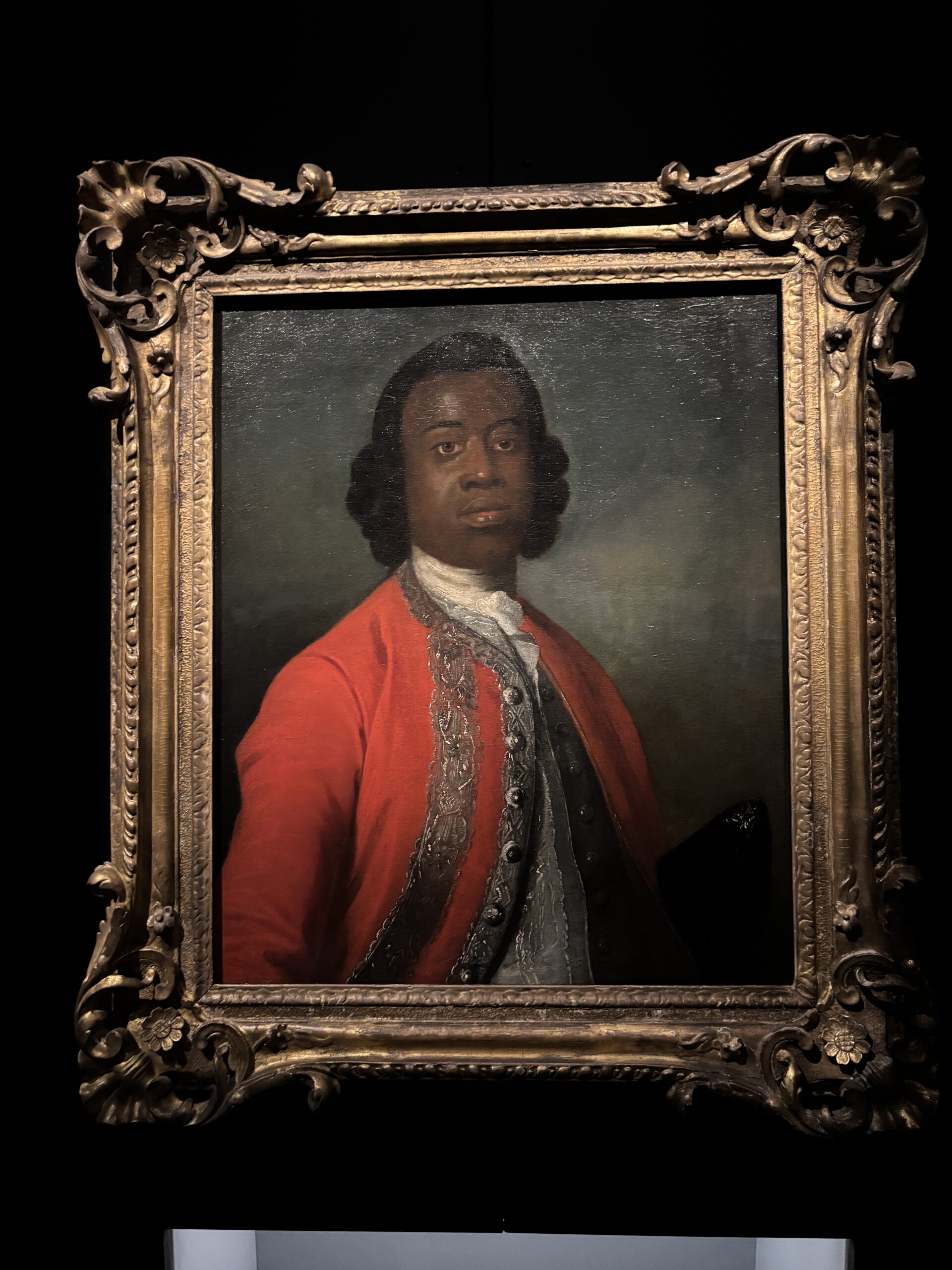
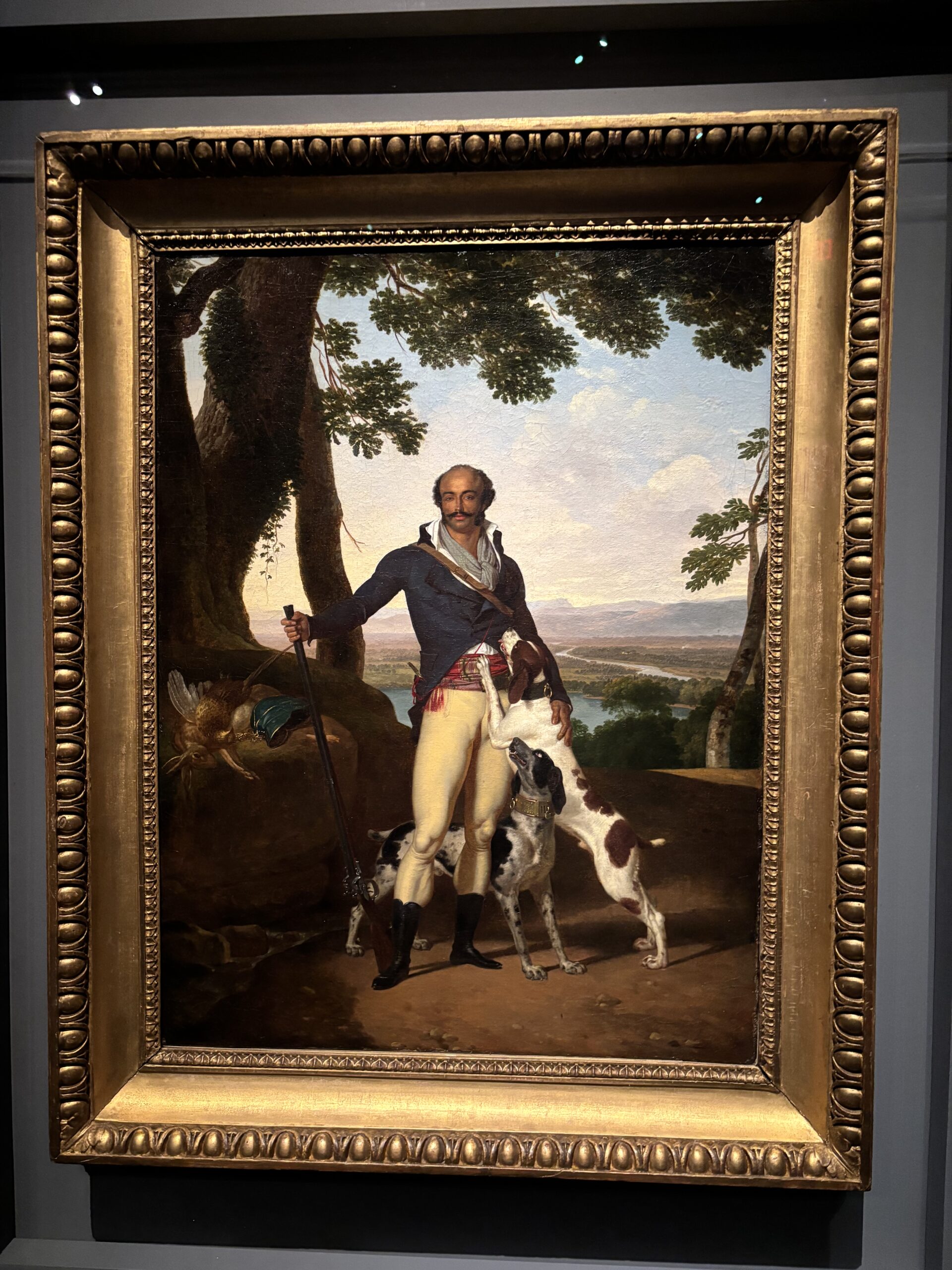
The exhibit begins in the far off past, Europe in the throes of global colonialism. There are portraits of African men in European-style clothing and captions that explain how they used their style of dress to convey their self-possession and ensure they were treated with the respect appropriate for a merchant, or a freed man, or the son of royalty. French military officer Thomas Alexandre and his son, author Alexandre Dumas, are described as “dynastic dandies”, passing down a tradition of colorful sashes, shapely legs, and leather pantaloons.
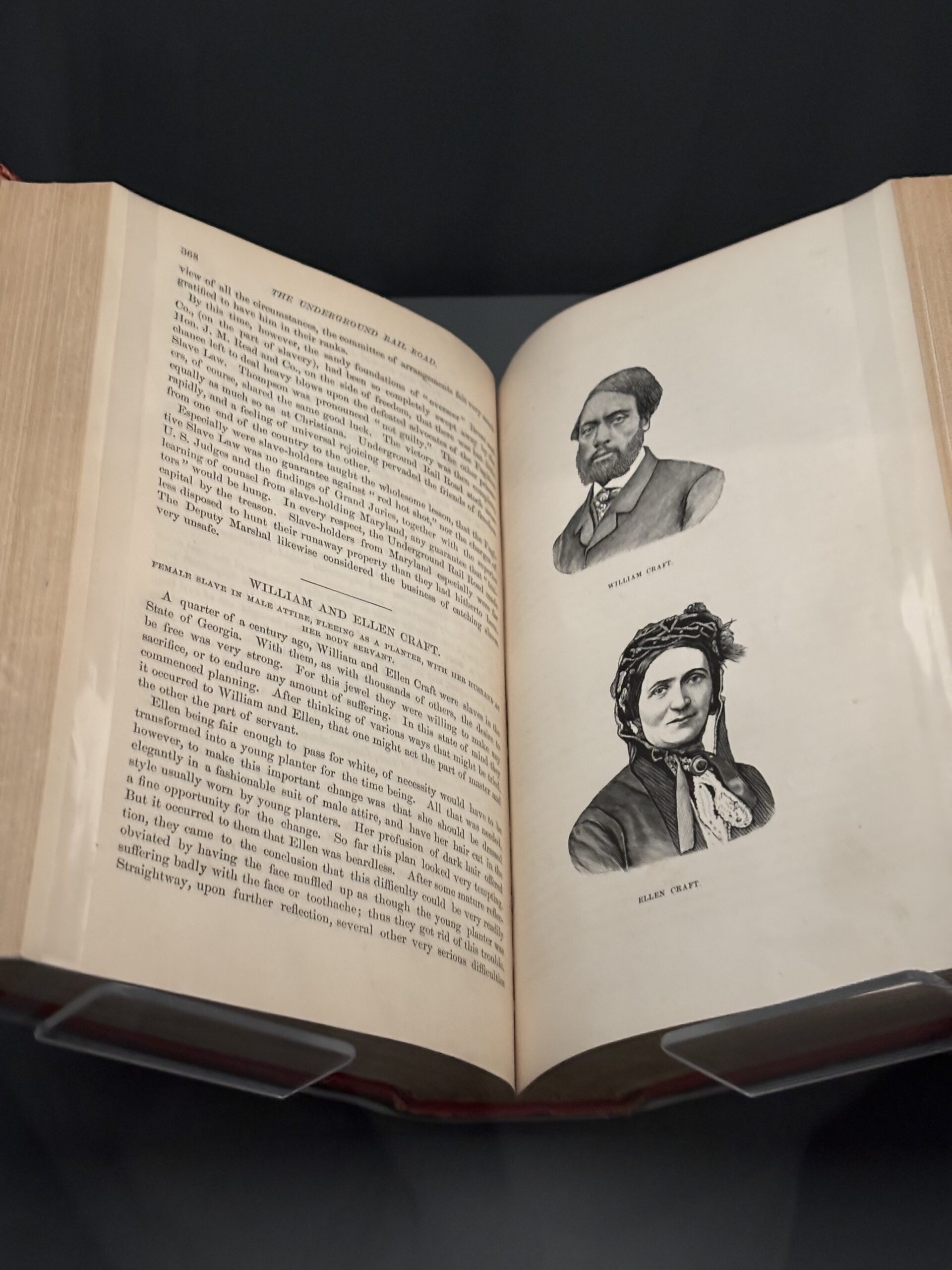
There are examples, mostly from newspaper clippings but also from an 1872 book titled The Underground Railroad, of how we’ve used fashion to disguise. Stormé de Larverie and Ralph Kerwineo both dressed and lived as men, and couples like Ellen and William Craft used gendered and racial disguise to escape to the North. Ellen, who was fair enough to appear white, dressed as a man with a toothache to hide the fact that she had no beard and traveled with her husband, William, who acted as her servant, no costume required.
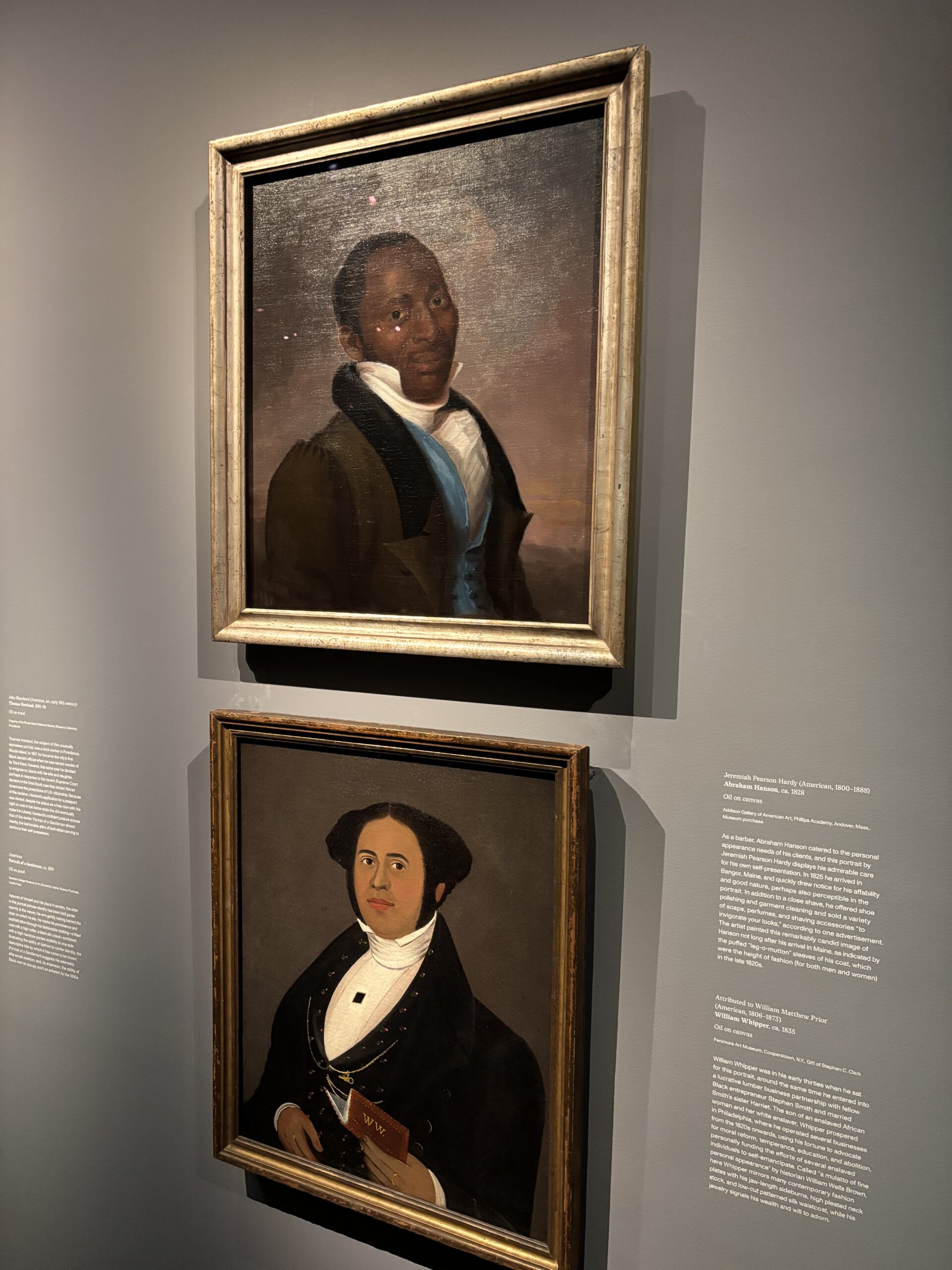
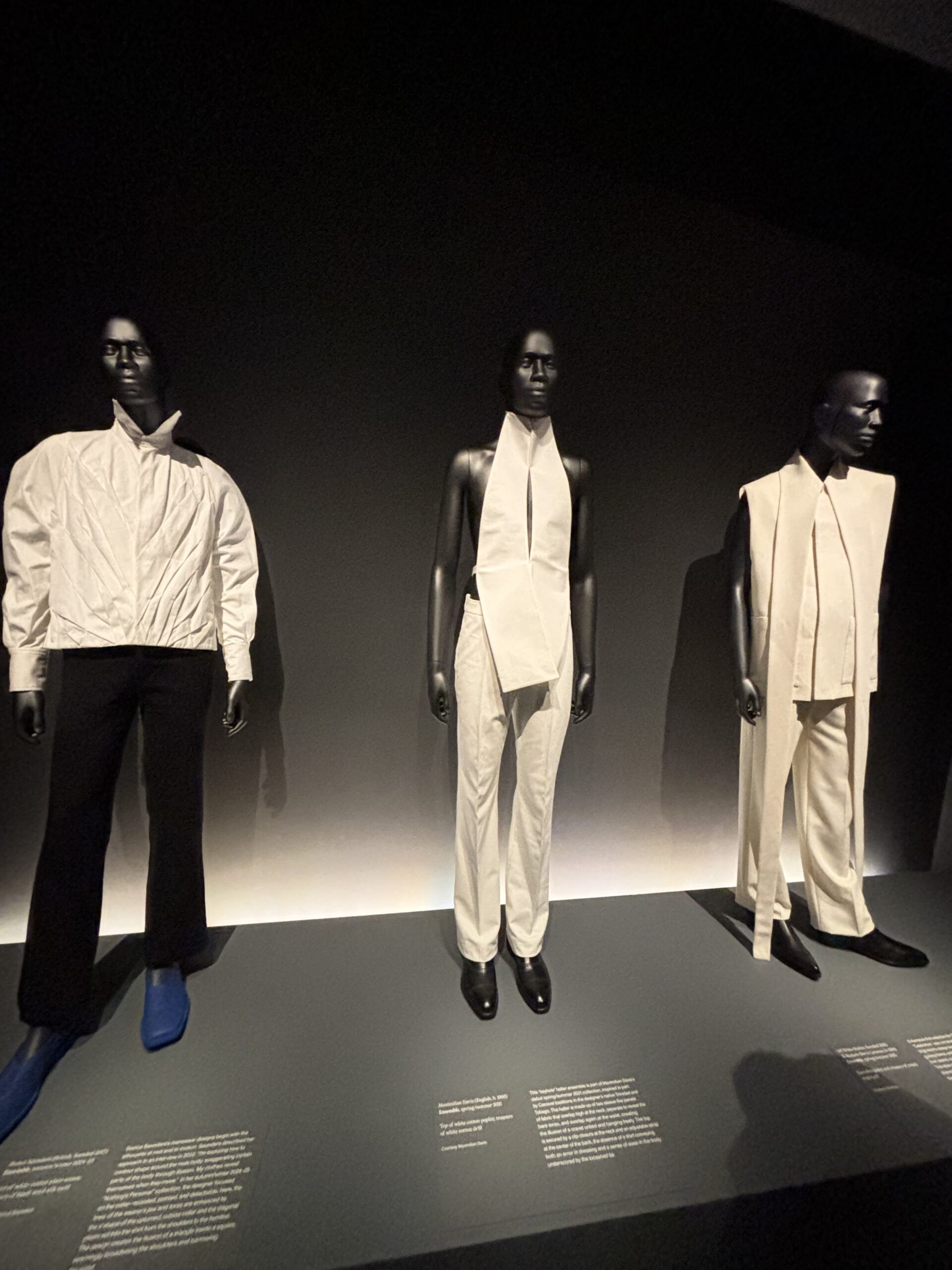
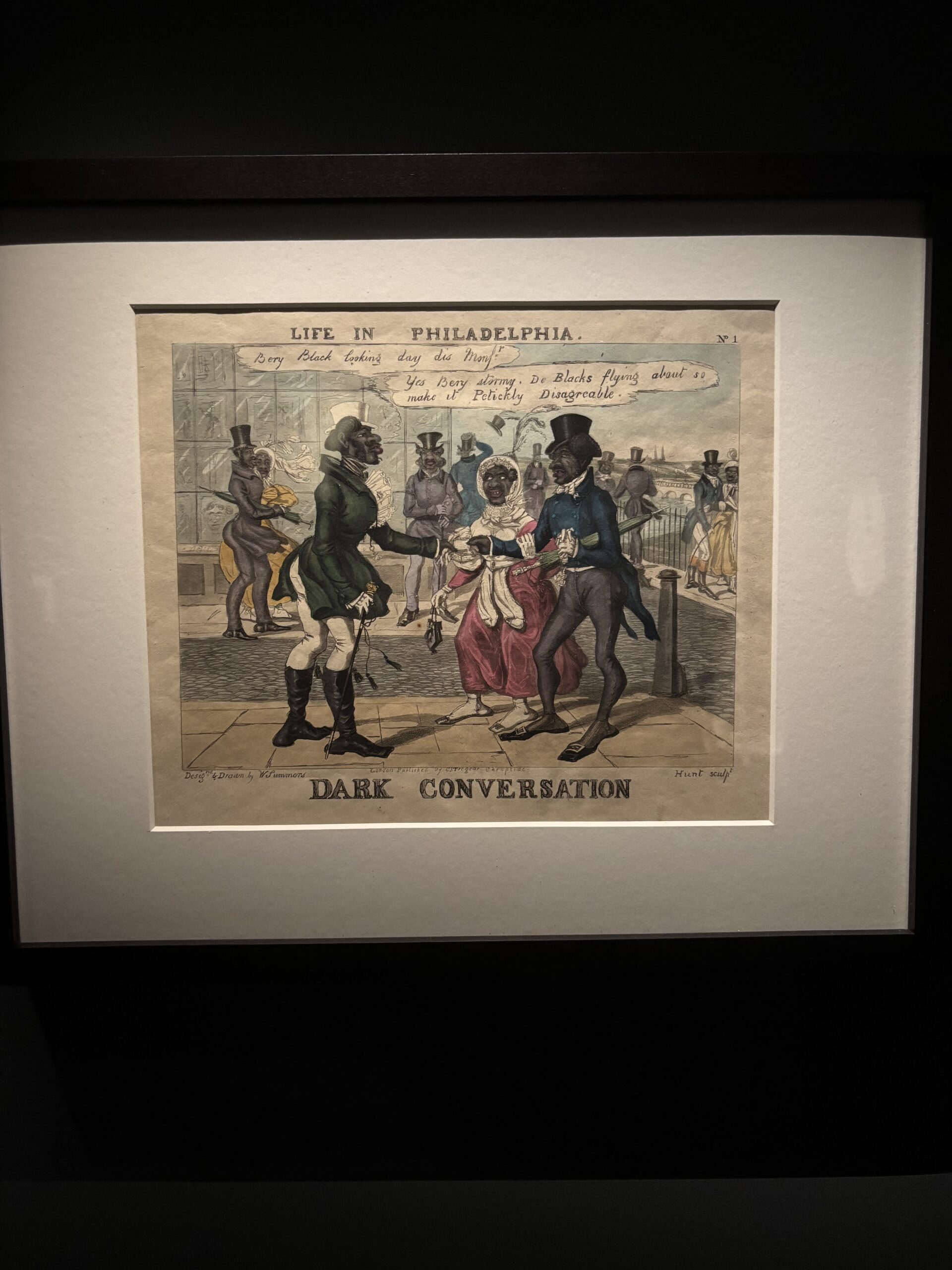
In the section designated “Freedom”, there are political cartoons from the 1830s that mock urban Black Americans’ propensity for style. The subtext of the drawings chides that we’ll always be Black no matter how blue our coattails, we’ll always be grotesque and subhuman no matter how fine our garments. In the same section, there are portraits on loan from New England area museums of prestigious Black men dressed in white blouses and various jackets. William Whipper was a Philadelphian lumber magnate, Abraham Hanson was an affable barber in Bangor, Maine, and Thomas Howland was a dock worker turned elected official who would eventually sail for Liberia. Directly next to these portraits are three contemporary high-fashion takes on white blouses for men.
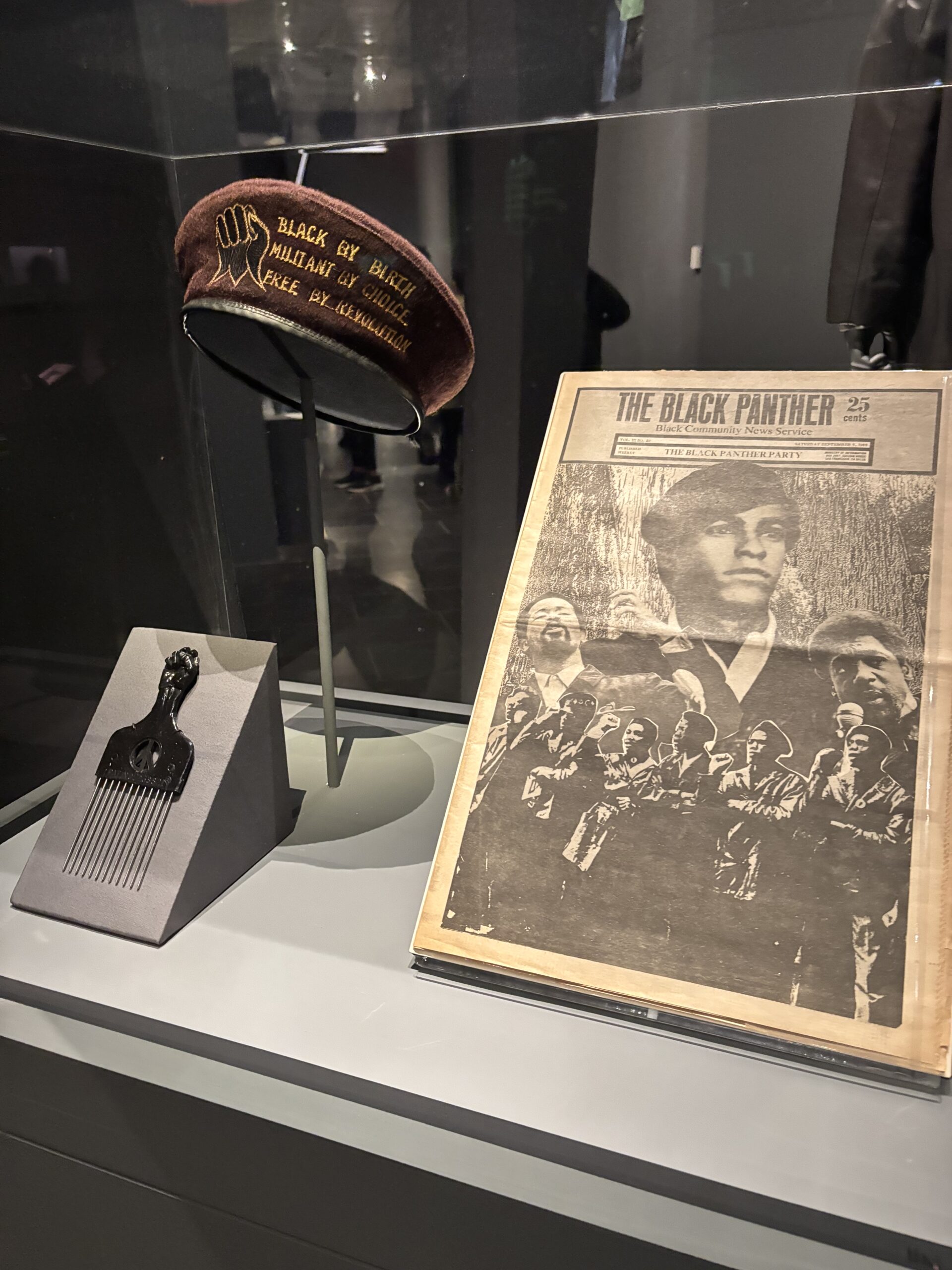
This is a pattern that continues: historic artifact partnered with ultramodern luxury. For example, the Black Panthers have a small case which holds an afro pick, an embroidered beret, and their community newspaper from September 1969 but the focal point of the section are boots and suits that seem to have no direct inspiration from the liberation activist group.
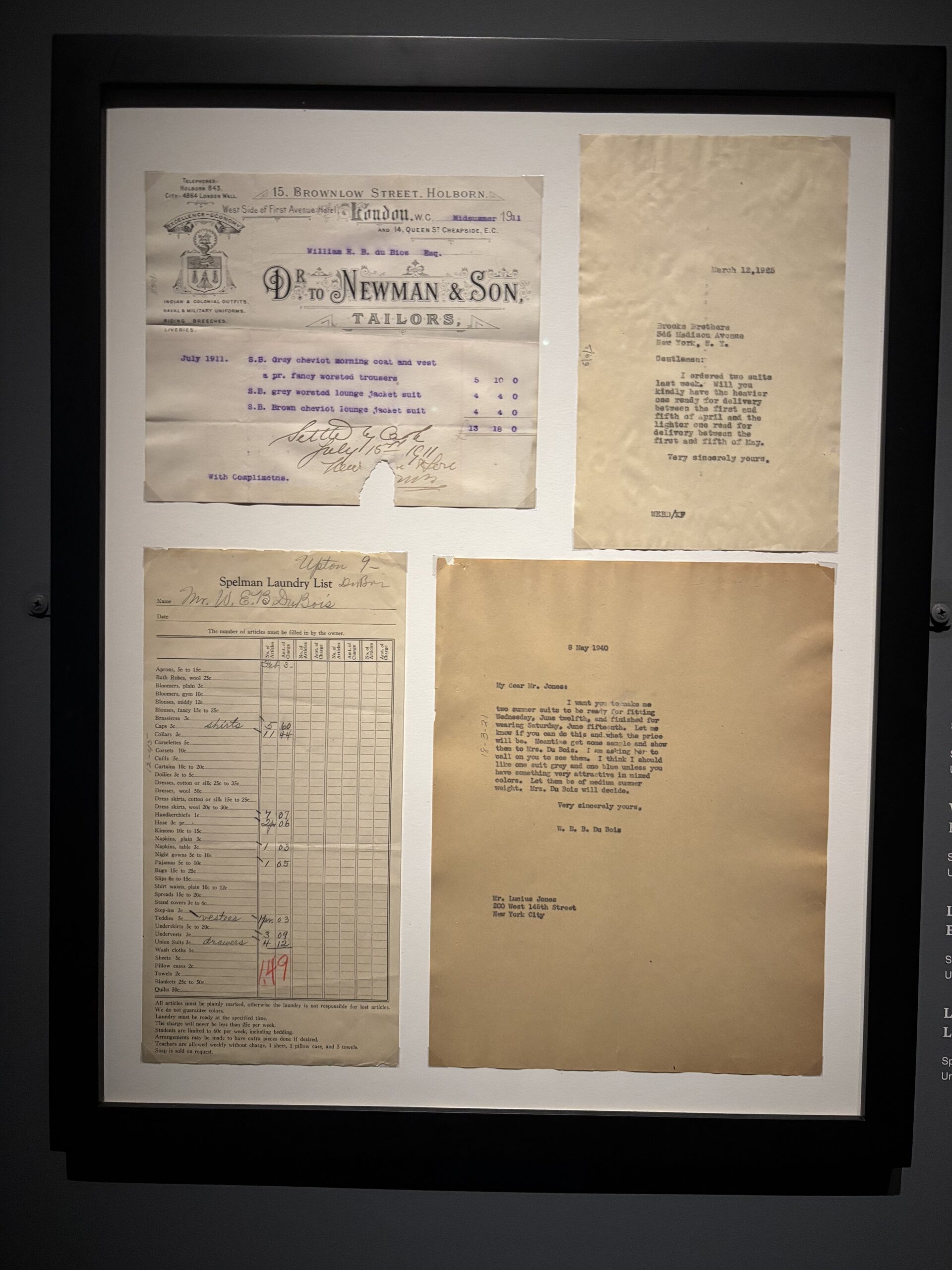
In “Respectability”, W.E.B. DuBois’s dry cleaning bills hang alongside a video of the Negro American portraits he displayed at a Paris exhibition in 1900. The black and white portraits show upwardly mobile Blacks from the time. Some are depicted in college classrooms and these are significantly more interesting than the nearby outfits exalted on pedestals.
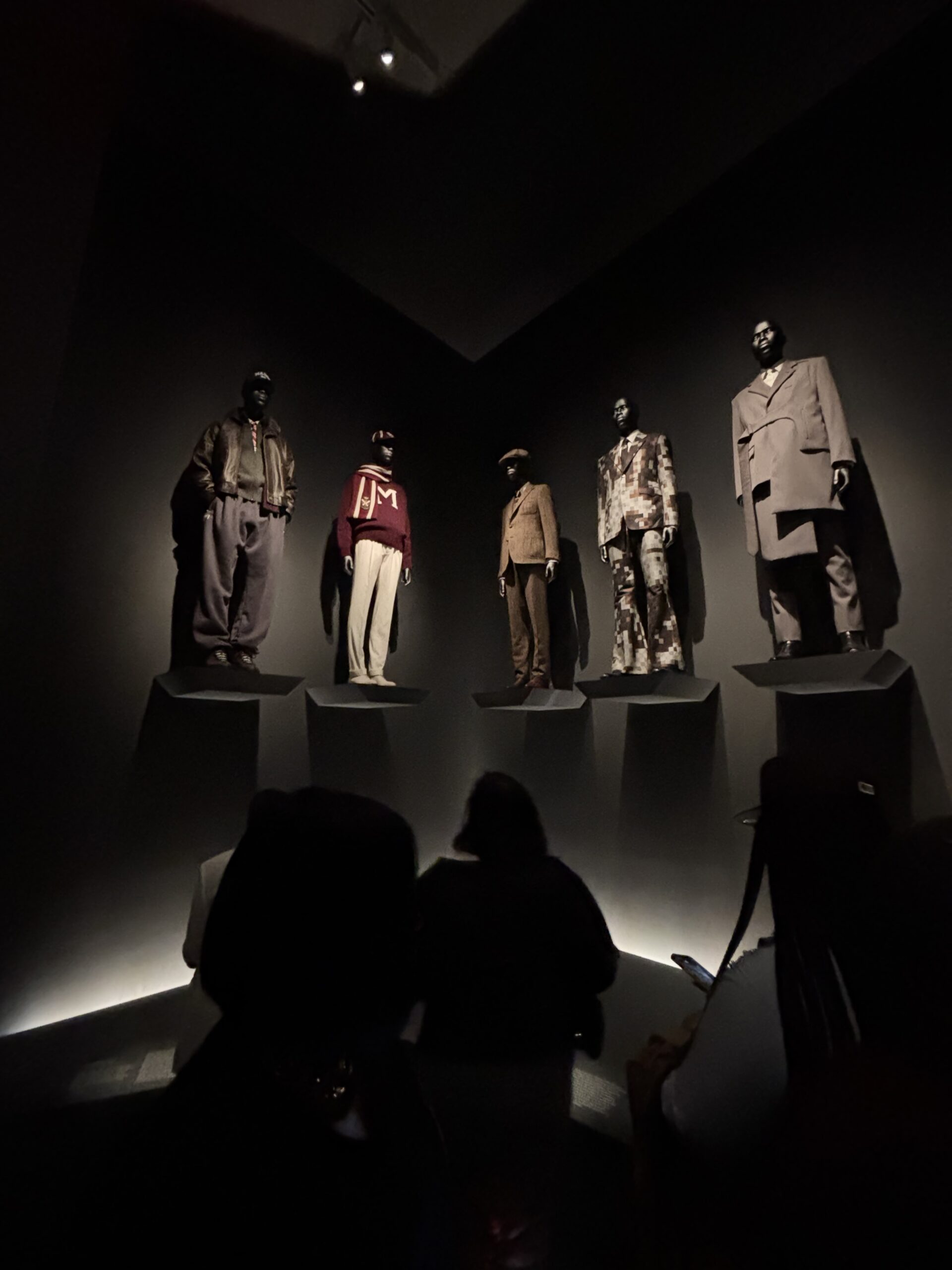
The mannequins peer down at the viewer dressed in selections from the 2019 Ralph Lauren HBCU capsule collection which paid homage to collegiate sportswear from the 1920s to the 1950s. While the collection was masterminded by James Jeter, a Morehouse alum who is a creative director at Ralph Lauren, it could’ve been interesting to include the original outfits or photographs from which Jeter drew inspiration.
Similarly, a plaque describes how Black jockeys dominated the sport before they were collectively banned during Jim Crow. An authentic jockey get-up is placed in the glass case, below a designer outfit that, in its colorful diamond print, resembles something a jockey could’ve worn.
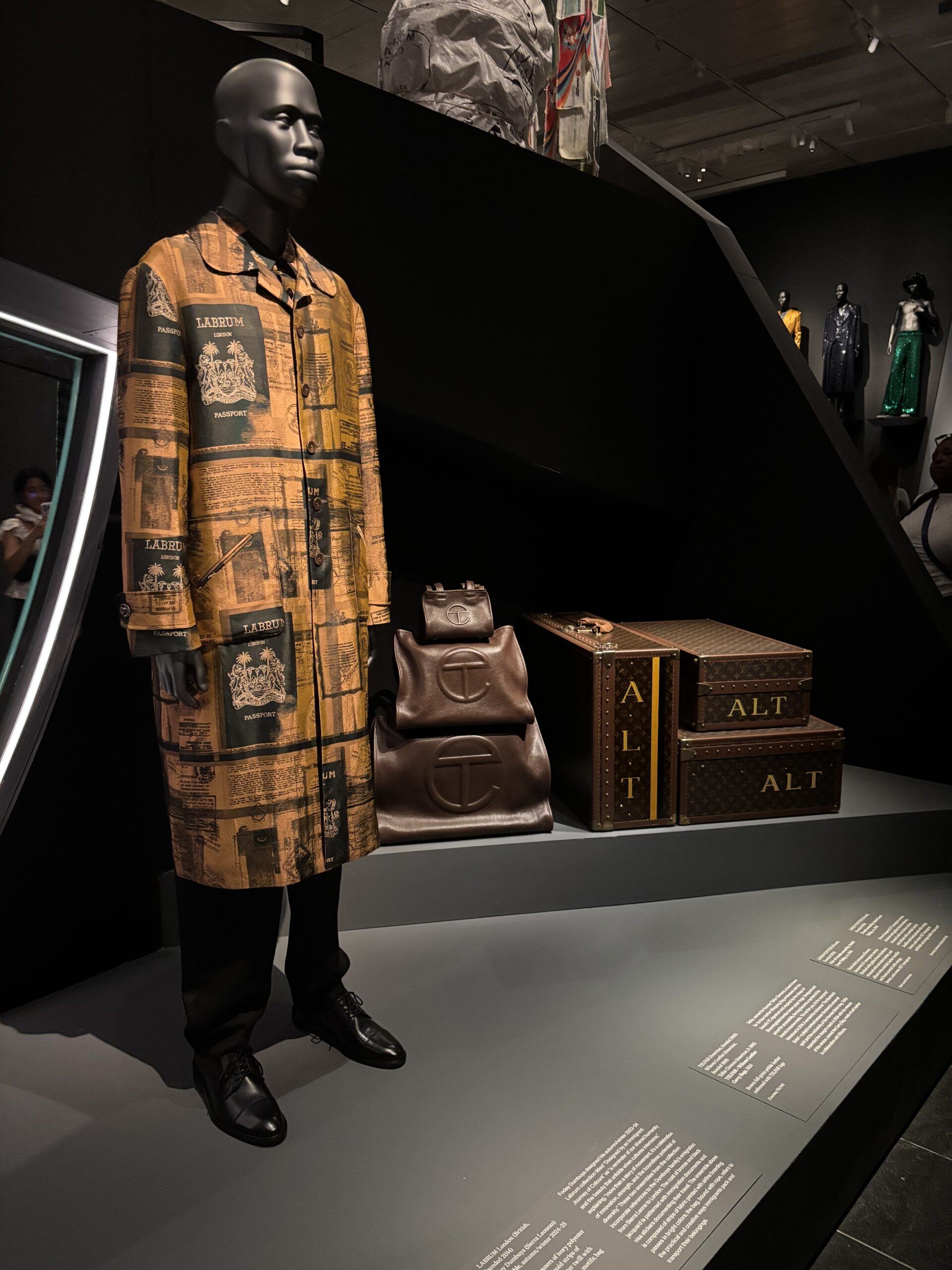
At every turn, in all twelve sections, there was an interesting piece of history dwarfed by a high-ticket luxury ensemble. Some of the contemporary looks were by Black designers, some by major fashion labels. The fashion mannequins seemed to take up most of the exhibit or, at least, were placed under the best lighting.
The Met Gala outfits worn by select attendees — Teyana Taylor, Janelle Monae, Colman Domingo, Angela Bassett and more — seemed to do a better job of paying homage to dandy style than the mannequins in the exhibit. It felt like walking through an online recommendation scheme: the algorithm suggests that “if you like this, you might also like this” but the connection between the item you searched and the ones it recommends are looser than a worn-out loafer.
After so many walls of fashion as a vehicle for gentility, disguise, and putting on airs, I was on the hunt for mannequins proudly wearing self-determination and Black identity. I was hoping for garments that showcase what we actually see in ourselves, not just the costumes we wear to help others see our humanity.
The cartoons from Philadelphia make clear that some people will always see us as subhuman even when we’re dressed just like the people in magazines, so we might as well dress free. To me, what’s iconic about Black style is not the price tag or the design house, but the way we can make near-anything look good. Shaft’s turtleneck and trench coat combo could’ve come from a thrift store, but that wouldn’t have made it any less cool.
Navigating Superfine felt like walking through an ad. The Black dollar, which we’re harangued for spending on haircuts and weaves and jewelry and grills and rims (do people still buy rims?) and limited edition streetwear, was being courted here.
If I may get into the text for a moment, the label for ownership begins with a quote from Between the World and Me by Ta-Nehisi Coates, “Disembodiment. The dragon that compelled boys I knew, way back, into extravagant theater of ownership.” The label ends with the following sentence, “By recontextualizing the material expressions of wealth and luxury, Black people today can “own” this history, using gold, silver, and other currencies to express self-esteem.” It’s in direct opposition to Coates: the idea that displays of wealth will bring you back into yourself, into your Black body, or that self-esteem is something that can be purchased. I’m not hearing Coates’ intended warning in this this exhibit, but “the best revenge is your paper” narrative is coming through loud and clear.
Where was the self-determined, and the scrappy? Where was the “do a little with a lot”? Where was somebody’s grandpa’s Easter suit from 1930s Harlem? The ensembles in the show didn’t seem to tell a story of Black fashion that I recognized, but they did back brands that only recently dedicated themselves to inclusive branding and marketing. It felt like once again, prestige has been built off our backs, this time by selling our attention, with the justification that Black designers had been featured.
It’s strange in an exhibit on fashion, populated with mannequins, for the photographs and paintings to be the best part, but they were the only things that felt real and had historic value. Our history was on small placards, but “the show” was an opulent pop-up.
My mother refined her sewing skills at a high school that offered home ec classes. She has proud memories of the outfits she made, ones that rescued her from her older sisters’ hand-me-downs or the limitations of a tight household budget. She modeled a sweater set she made in a fashion show and she sewed a pair of white pants that she wore to one of her first jobs as a dental assistant. Those pieces, like the ones she handmade for me as a child, are long gone, but the memories still hang on.
There are clothes in your closet, whether you made them or not, that evoke sentiment because of where you got them, places you’ve worn them, or who you feel like when they’re on. The clothes and accessories in Superfine are misaligned, unstitched from our history, and despite how much they must’ve cost, feel cheap.
blacklove 🖤 and starlight 🌟
“Superfine: Tailoring Black Style” opened at the Metropolitan Museum of Art on May 10th and will run through October 26th, 2025. Admission for New York residents is pay-what-you-wish.
-
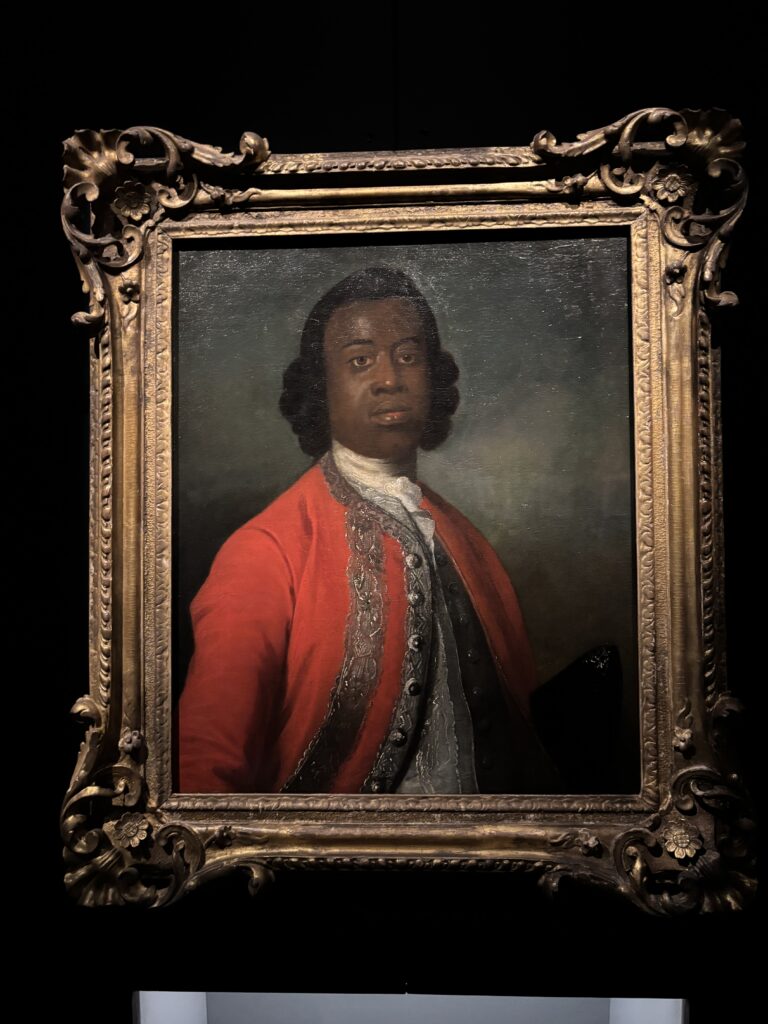
- Portrait of William Ansah Sessarakoo, son of a politician and merchant in present-day Ghana, c. 1740
-
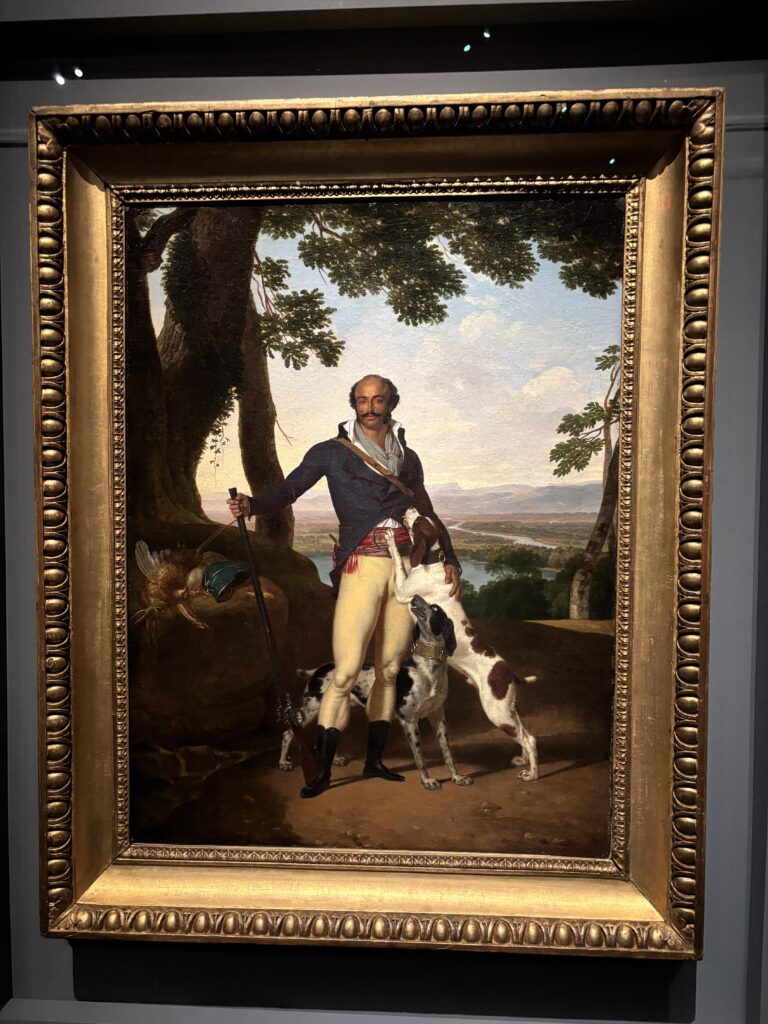
- Thomas-Alexandre Dumas was the first French general of African descent and the father of Alexandre Dumas, who wrote ‘The Three Musketeers’
-
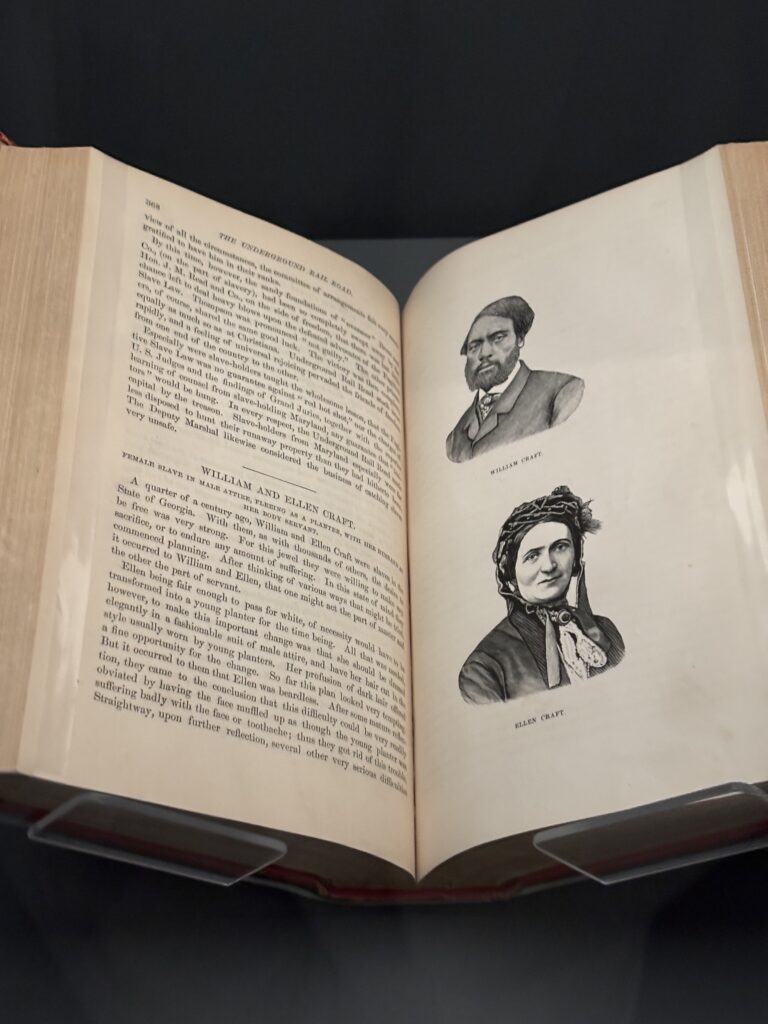
- A page from the 1872 book ‘The Underground Railroad’ tells how William and Ellen Craft used disguise to escape slavery.
-
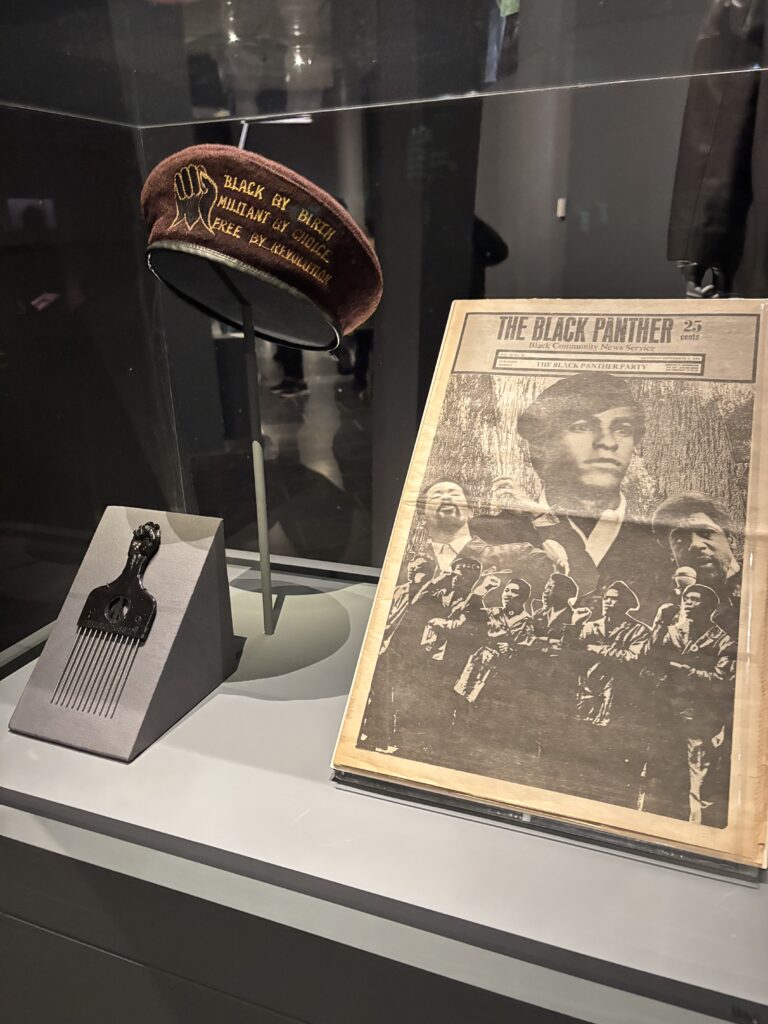
- An afro pick, embroidered beret and newspaper from The Black Panther Party, which pioneered self-determined Black fashion
-
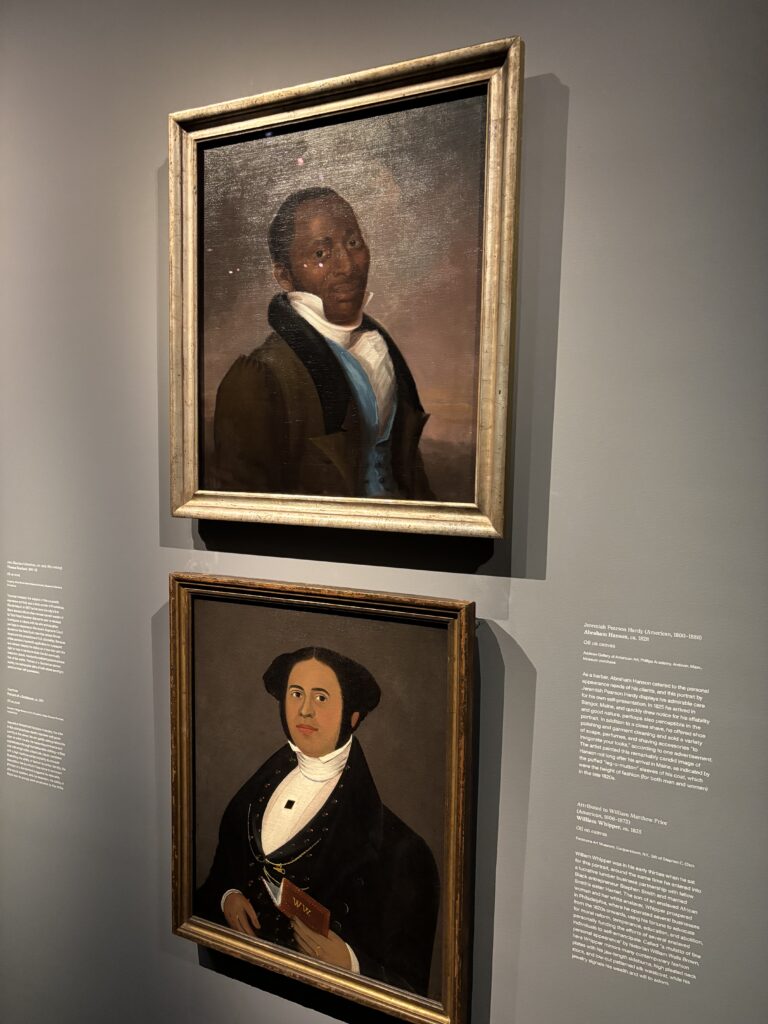
- Abraham Hanson (top) and William Whipper (bottom) were prominent enough to have their portraits painted in the 1820s/1830s
-
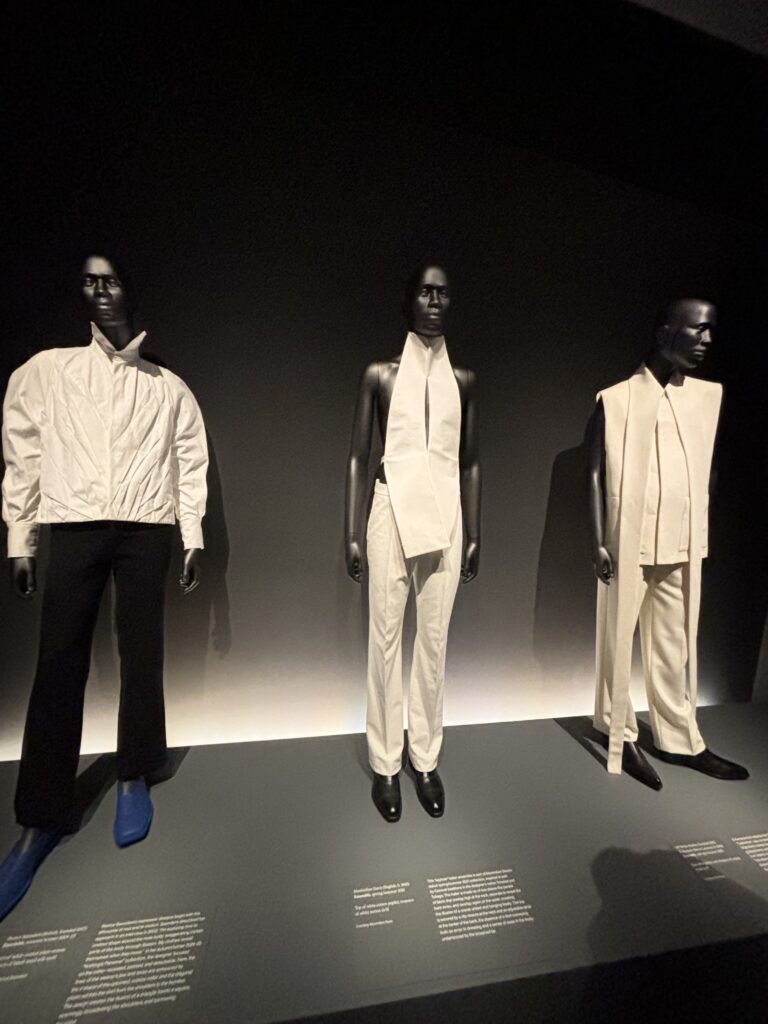
- Three mannequins wear contemporary white blouses, next to 1800s portraits of men in white blouses and jackets
-
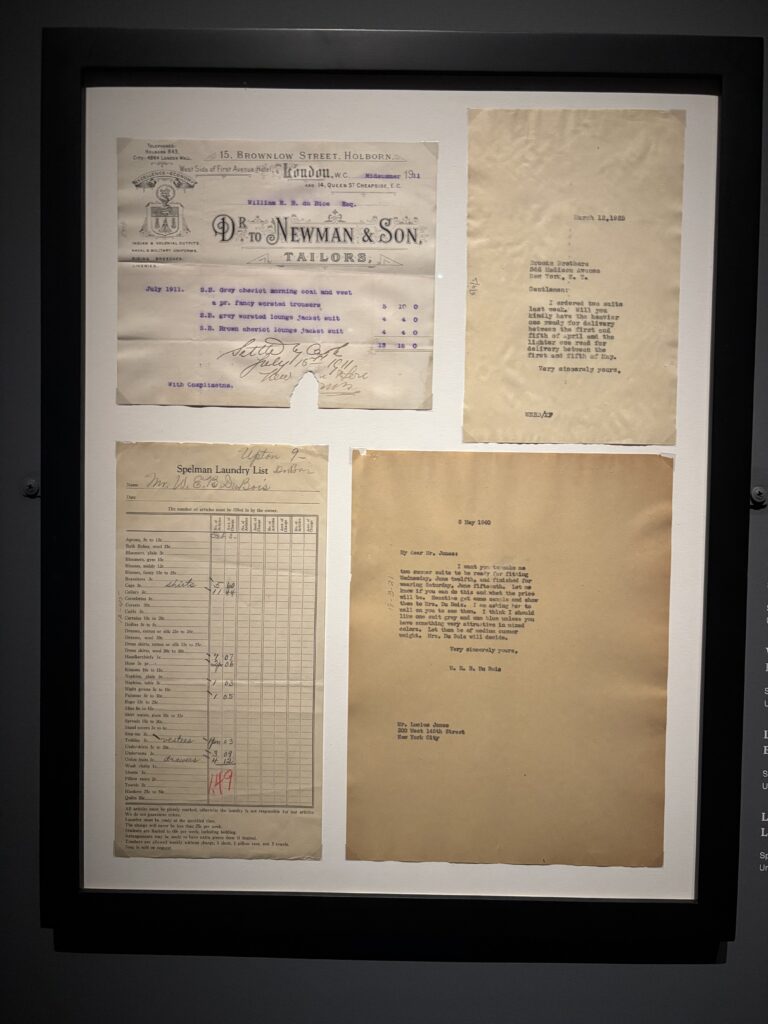
- W.E.B. DuBois’s laundry receipts and clothing order forms are included in the show
-
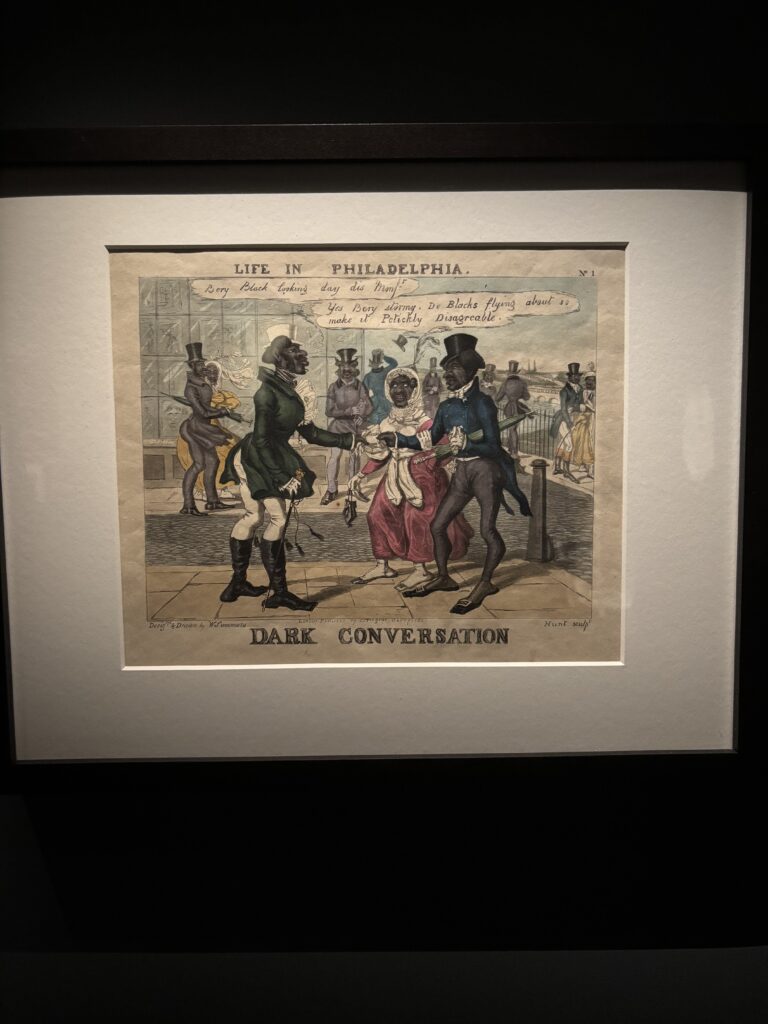
- A cartoon entitled “Life In Philadelphia: Dark Conversations” from 1833 is a grotesque caricature of middle-class Black Americans
-
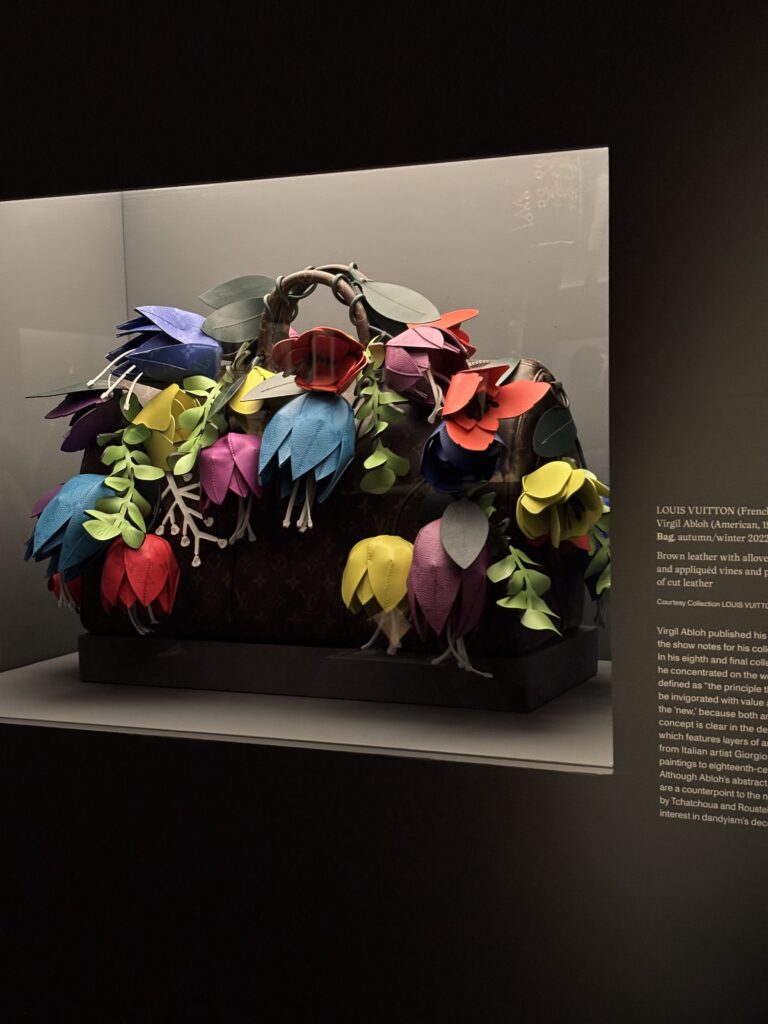
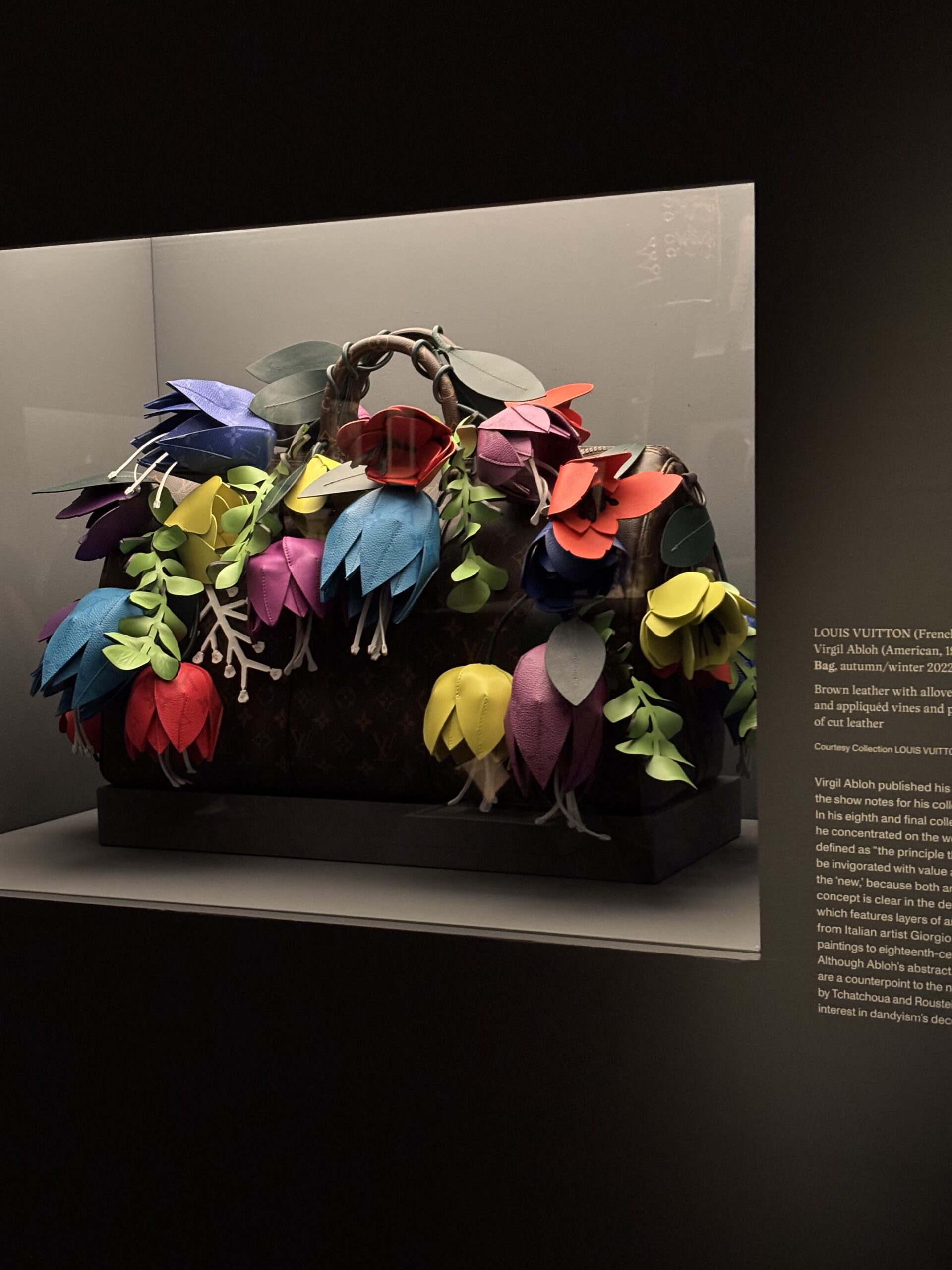
- In “Presence”, there is a Louis Vuitton bag by Virgil Abloh
-
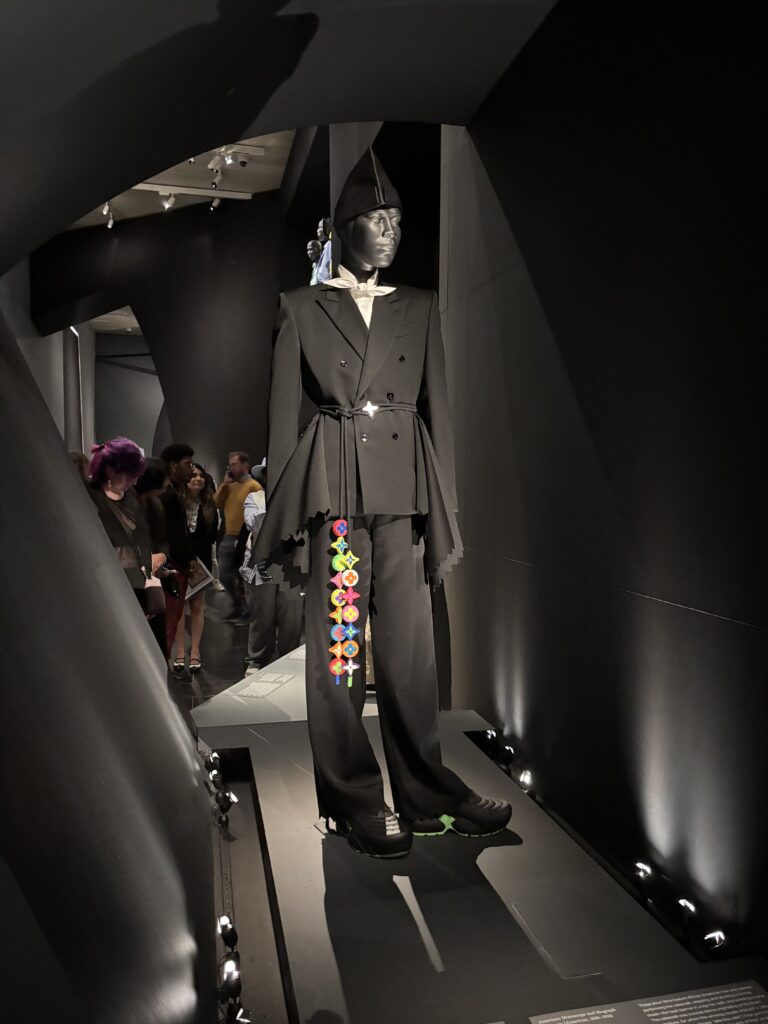
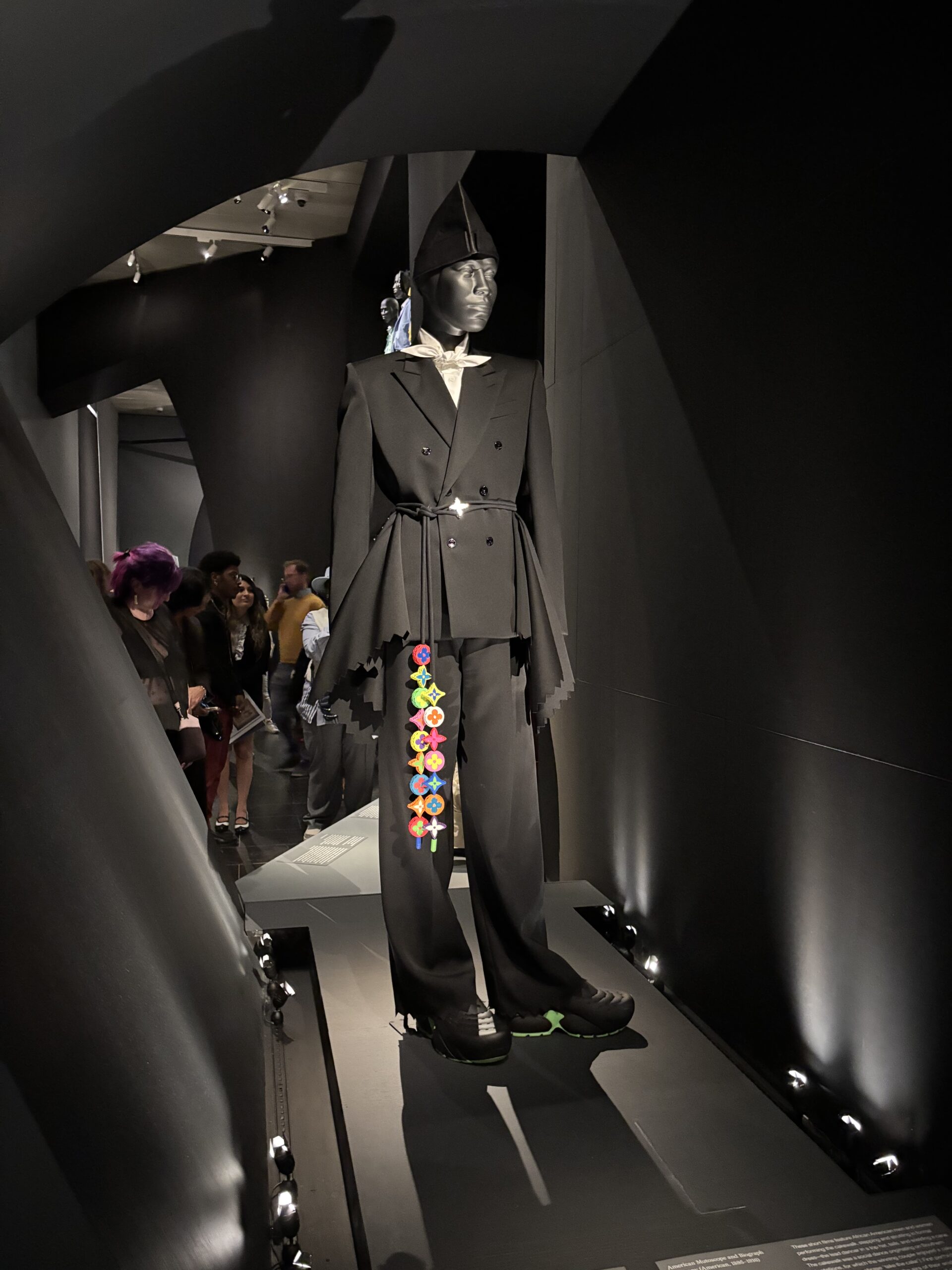
- A mannequin is dressed in contemporary fashion
-
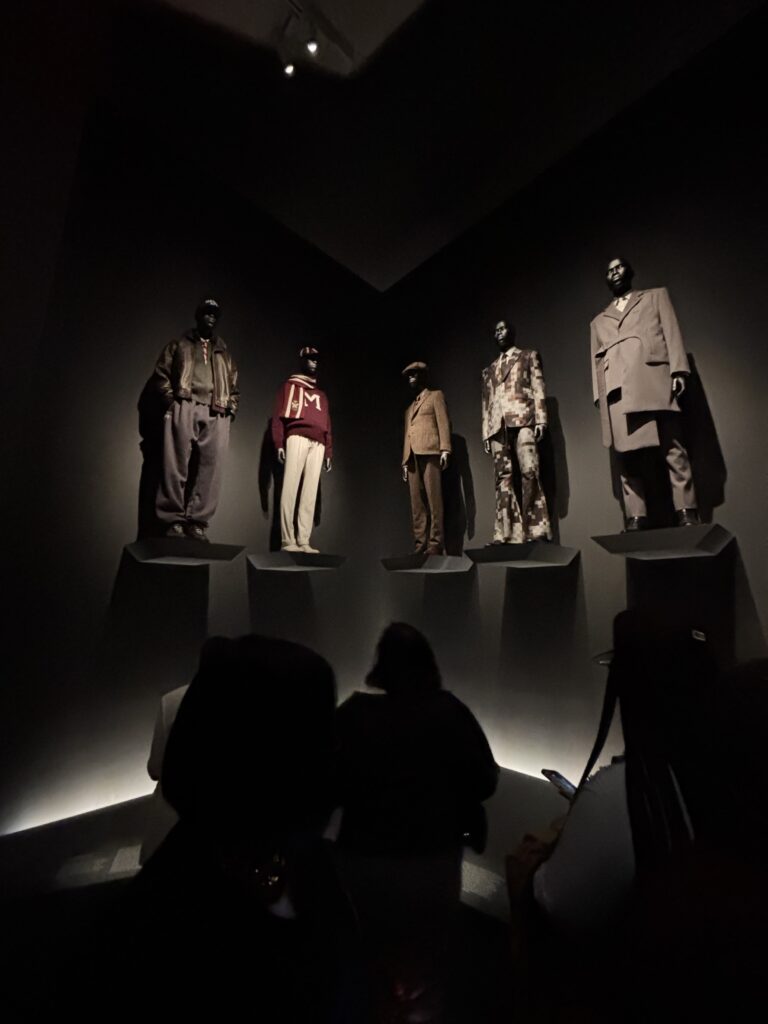
- Mannequins in the ‘respectability’ section sport Ralph Lauren and Louis Vuitton.
-
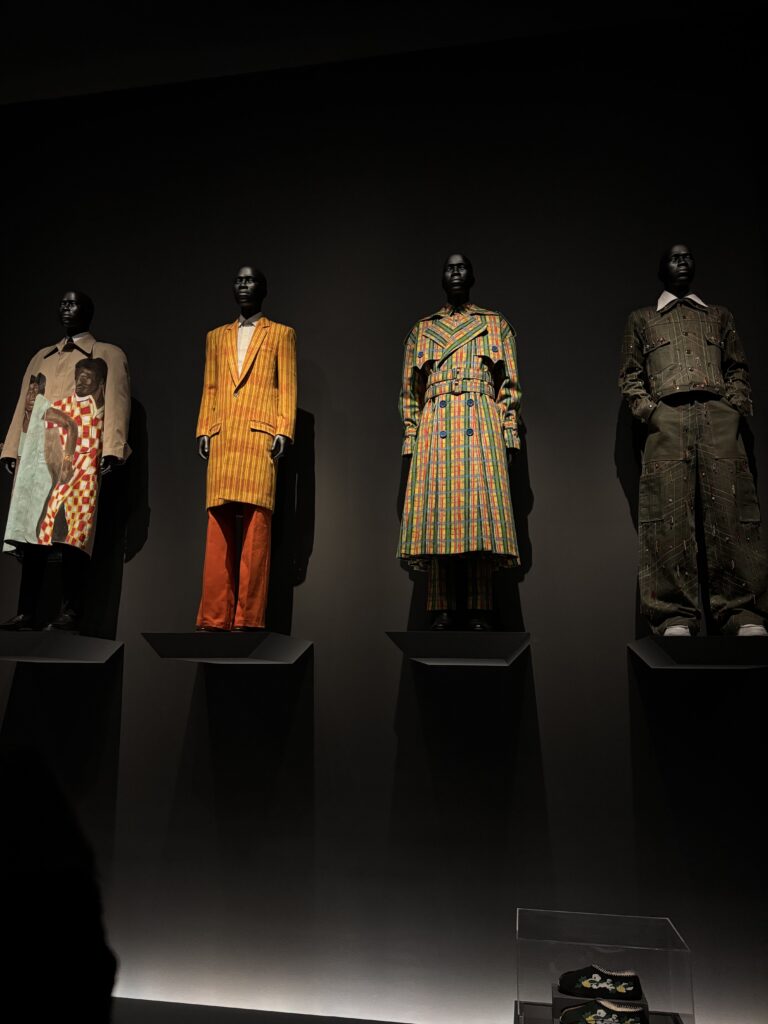
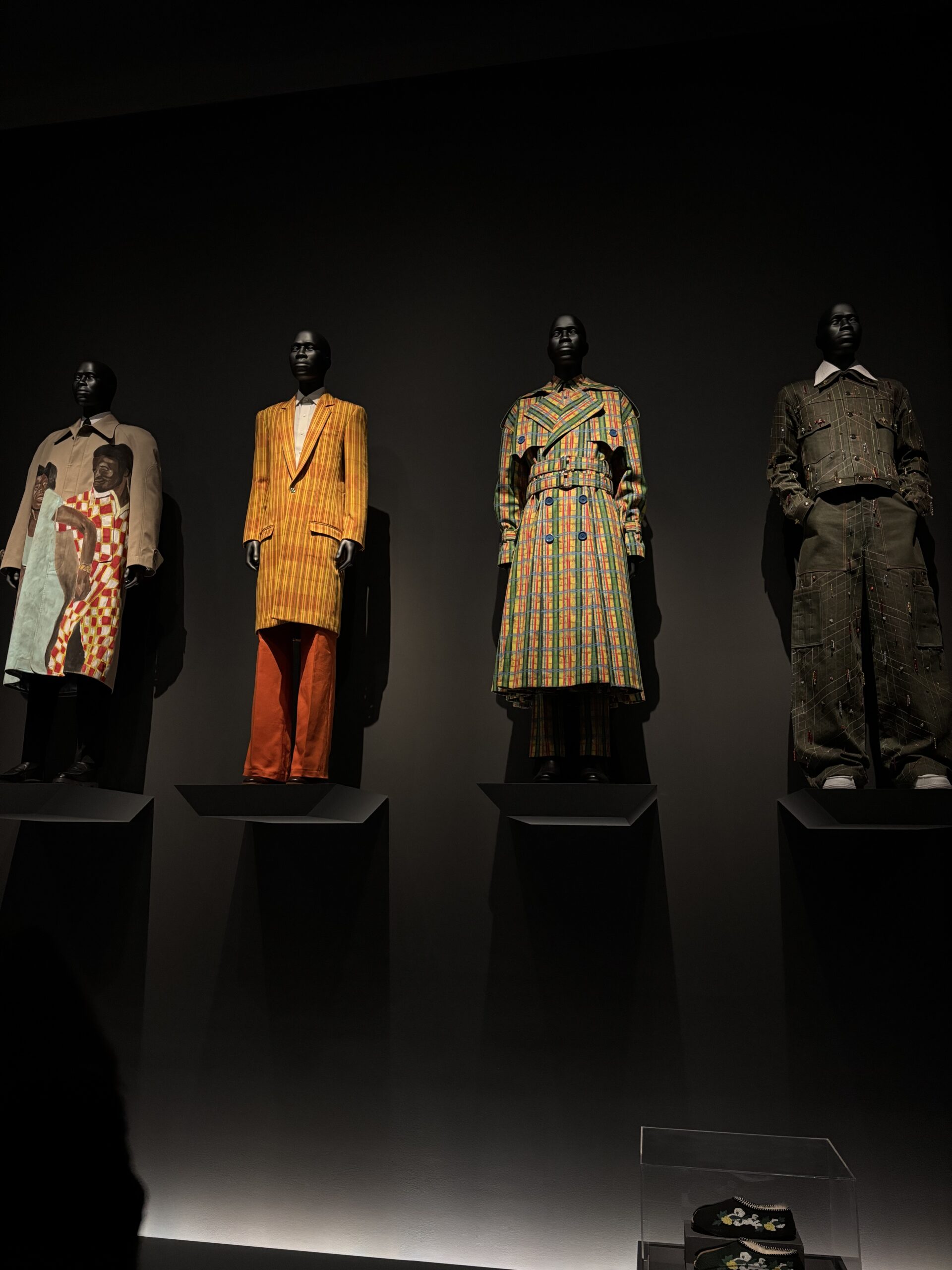
- In “Heritage”, mannequins wear outfits that represent the diaspora
-
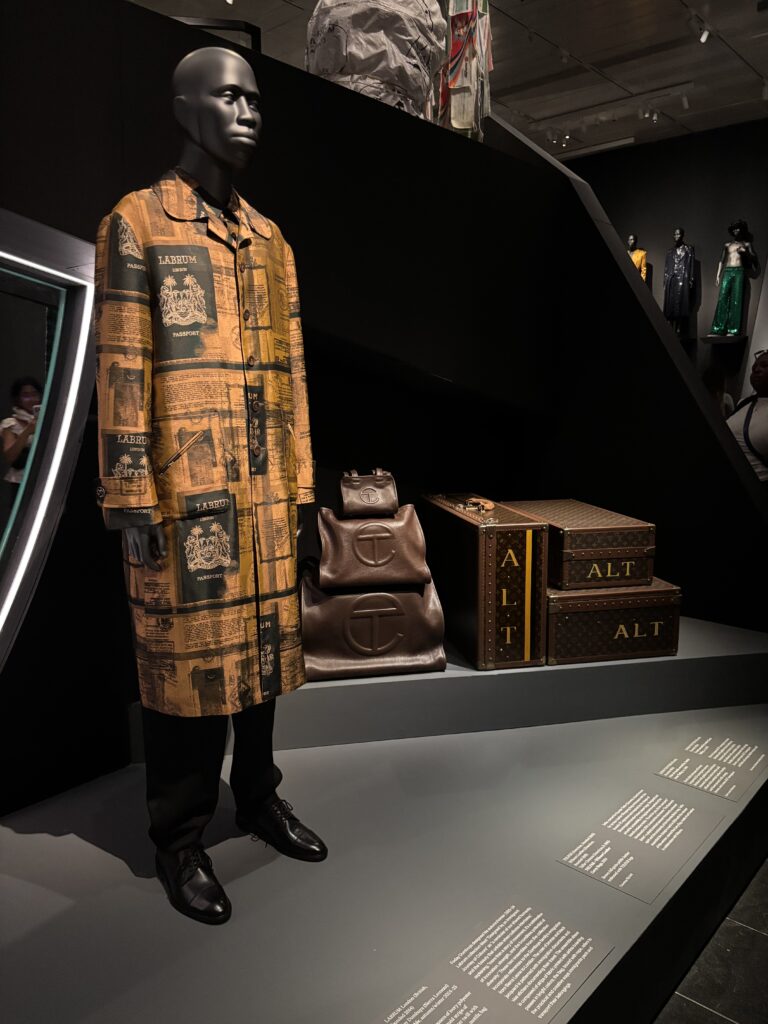
- In “Cosmopolitanism” a mannequin stands next to Andre Leon Talley’s Louis Vuitton luggage and Telfar bags