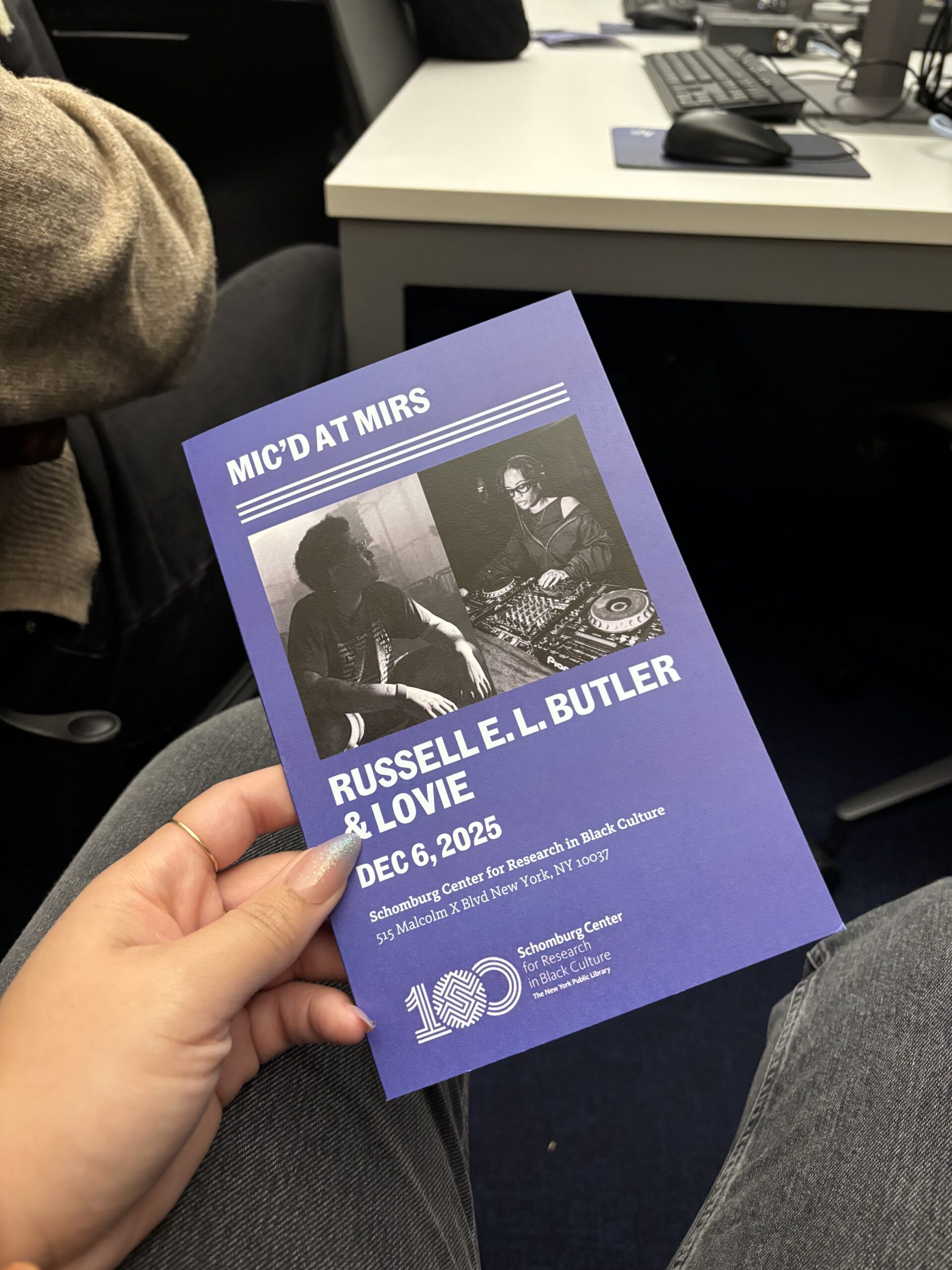
Mic’D at MIRS: Russell E.L. Butler & Lovie
Our friendly, neighborhood research library invites two selectors to dig in its crates for a superhip radio stream that combines rare tunes and vibey historical audio clips.
The Schomburg’s archives, to quote the cosmogram that decorates the floor of its atrium, “runs deep like rivers”. Its lore is mythological. Researchers, historians, and authors once in search of artifacts related to Black life tell tales of hours spent trawling university libraries only to find the holy grail on 135th Street & Lenox Avenue, a block away from Jimbo’s Hamburger Palace.
And just like African American history is not all Underground Railroad and Civil Rights-era resistance, the archives are not all slave ship manifests and Jim Crow picket signs. My personal holy grail also lives there. After visiting NYPL’s Polonsky “Treasures” exhibition at the lion-helmed 5th Avenue branch, I learned that the Schomburg maintains a number of items donated by Mildred Harper, mother of Ken Harper. Ken was a radio DJ who became a Broadway producer when he championed the idea to take the pop chart success of Motown to the ‘Great White Way’. His musical, The Wiz, opened in 1974 and transformed theater forever.
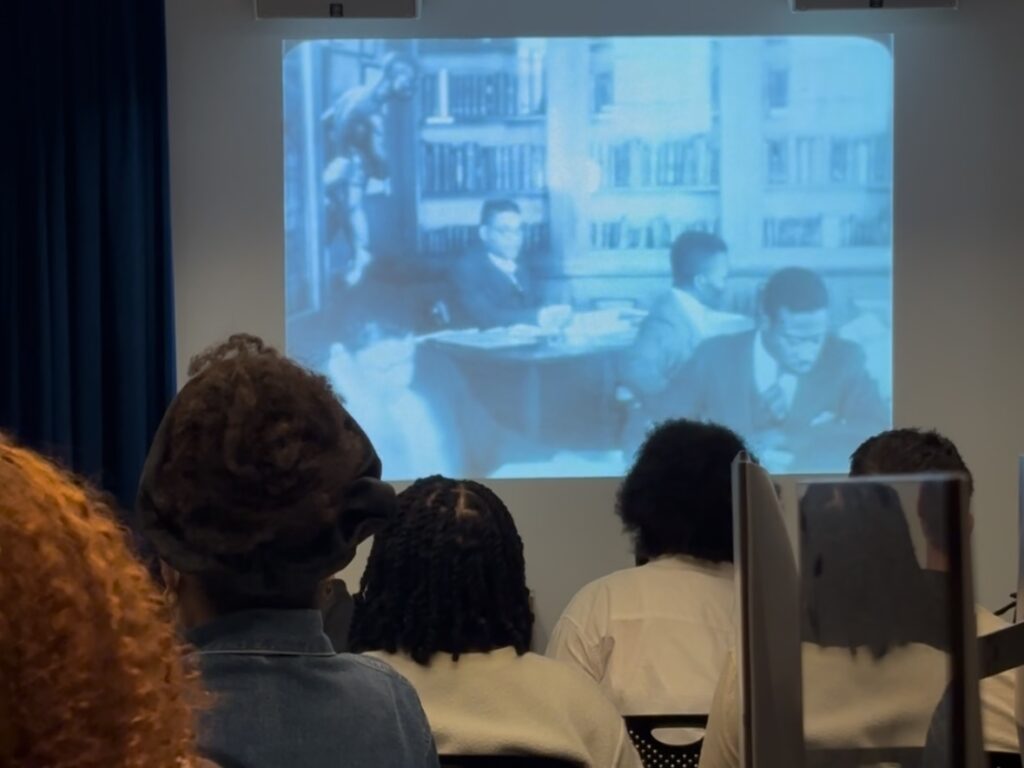
Rare footage of Arturo Schomburg, the Center’s namesake and founder, is housed in the MIRS.
On the occasion of its 100th birthday, the Schomburg has been showing off with surprises and delights. The center’s most creative event yet invited the public into MIRS (Moving Image and Recorded Sound Division), to blow the dust off the vinyls in the vitrine that’ve been waiting patiently for listening ears. (The dust here is metaphorical, the Schomburg’s facilities are tidy and well-maintained.) The records in MIRS are in their original covers, complete with liner notes — those world-building letters from the artist or the label that have fallen by the wayside in the streaming age.
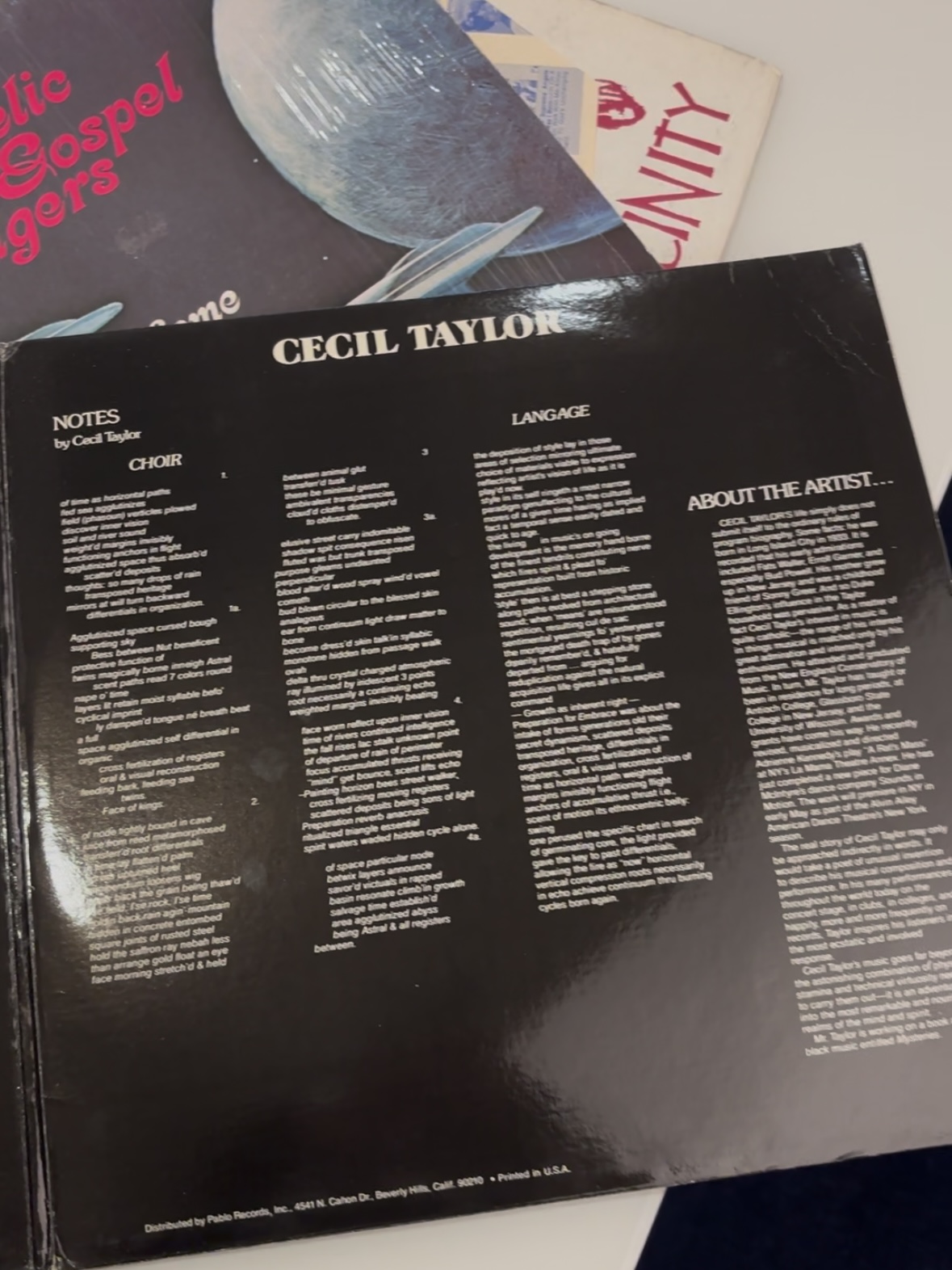
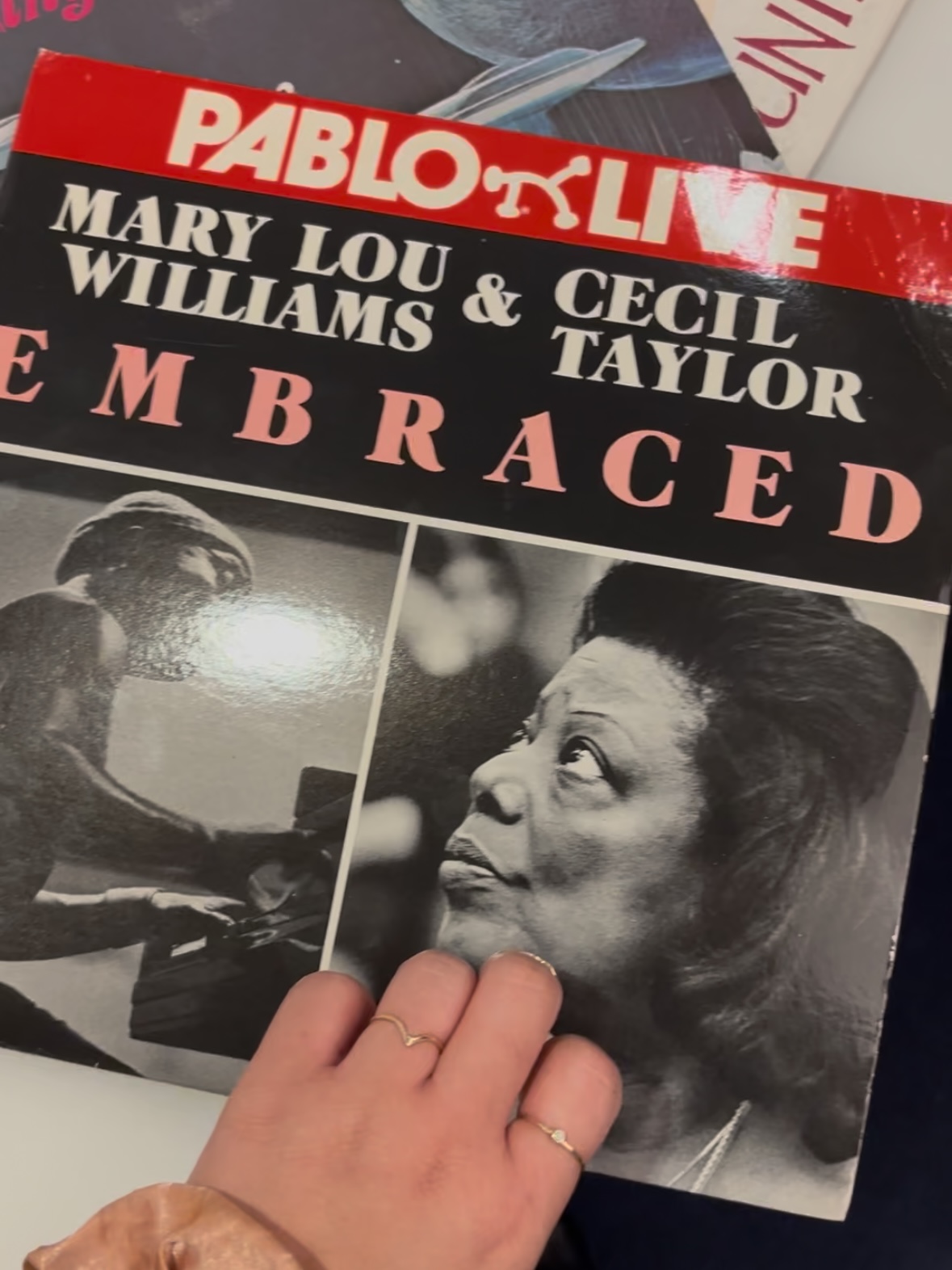
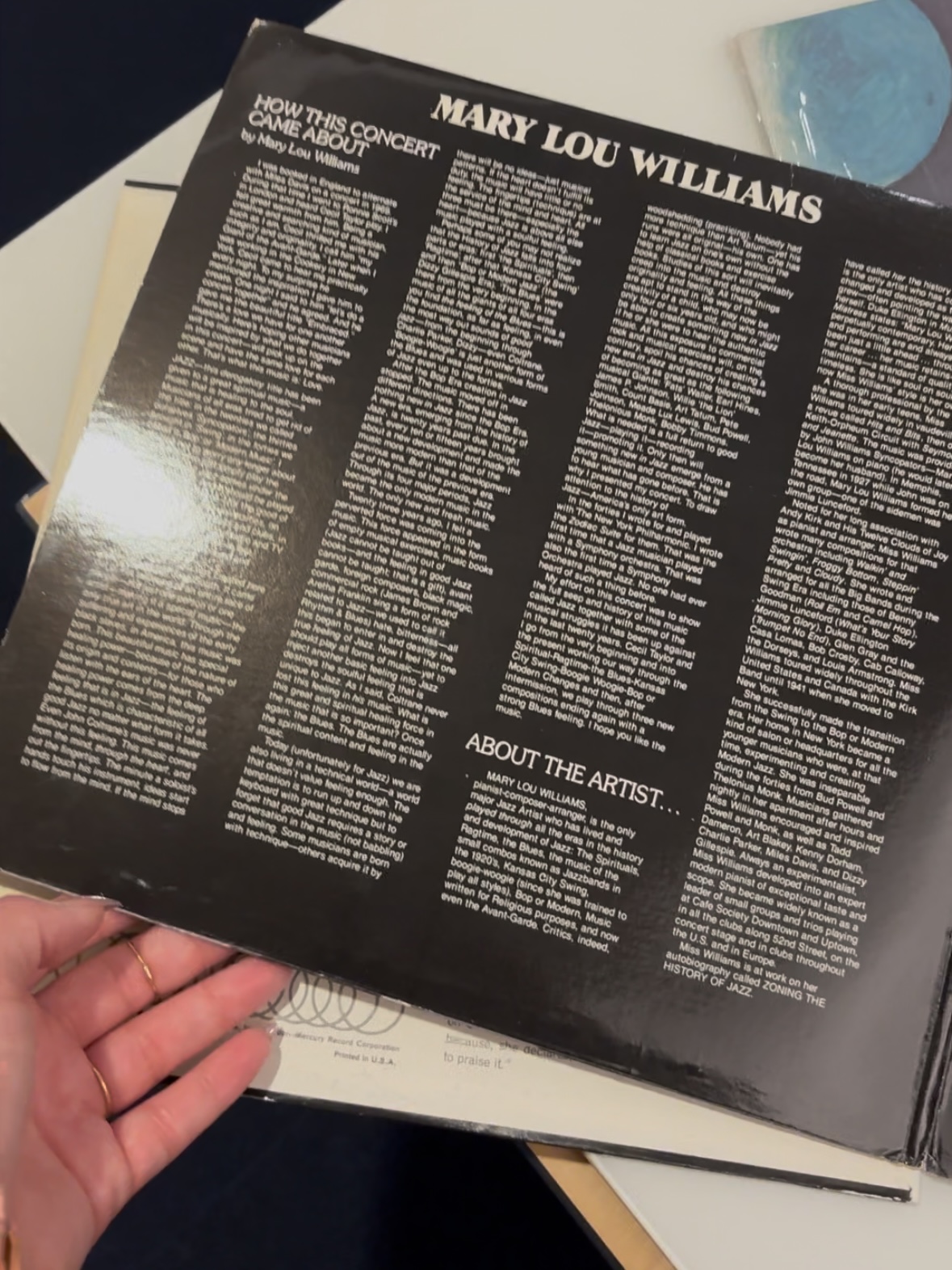
Despite it’s convenience, we forfeit a great deal when we stream — financial support for artists, liner notes and booklet photos, and a view of the album art that’s bigger than the screens that fit in our palms or round our wrists. The good: I can access Mary Lou Williams & Cecil Taylor’s 1977 live concert ‘Embraced’ with ease through Apple Music. The bad: I can’t read Williams’s liner note essay “How This Concert Came About” through a music app. The ugly: I wouldn’t even know the essay exists if I hadn’t held the physical album. If you’re ever in the mood for the full experience of gingerly removing a vinyl record from its sleeve, setting the needle in its track, and wading into liner notes and song credits the Schomburg invites you to dig in their crates — just bring a New York library card.
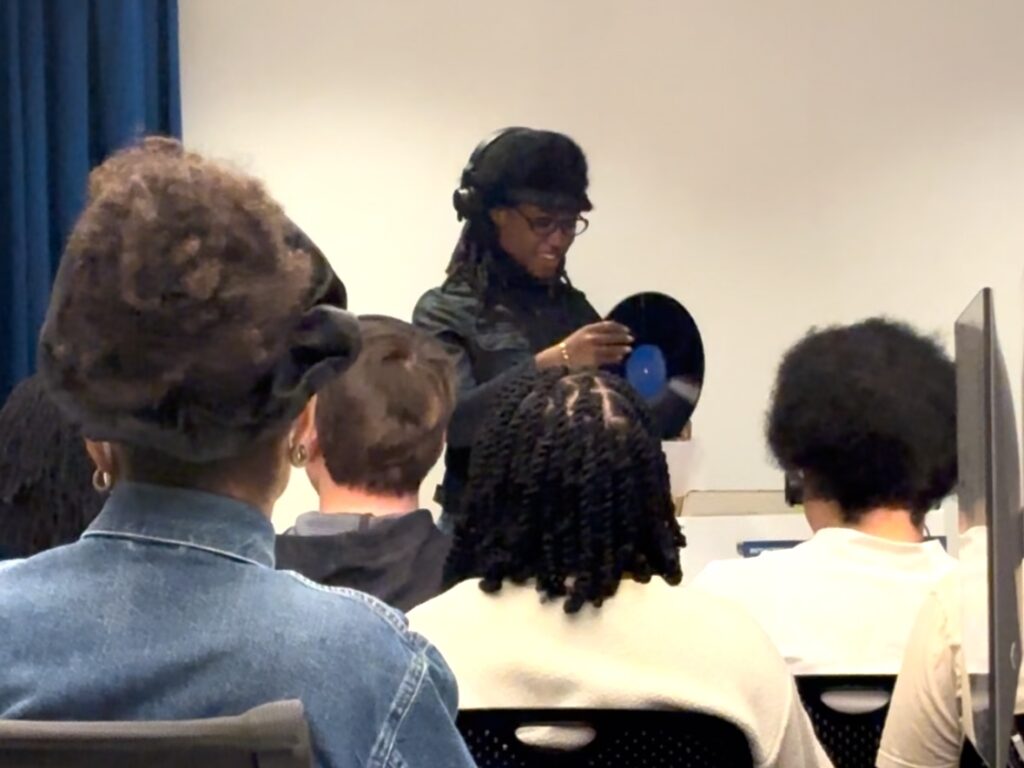
Lovie selects her next record during her Mic’d at MIRS set.
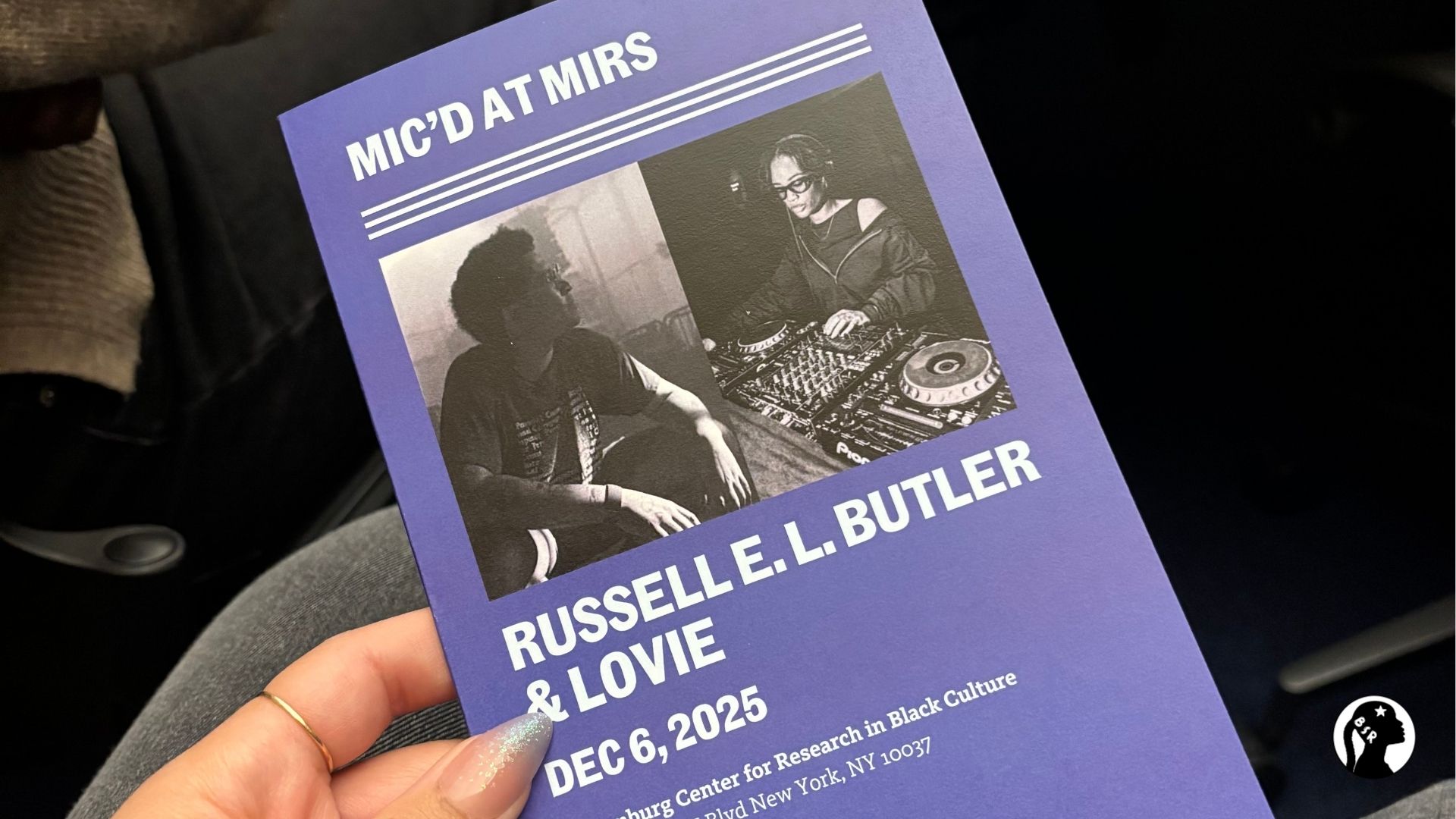
But what might you find on your excavation? Mic’D at MIRS, hosted by the Associate Director for Special Collections, Dr. Crystal M. Moten, PhD in partnership with The Lot Radio, invited two DJs to show and tell (and spin). Part performance, part listening party, but entirely Black. Lovie, resident DJ at beloved Brooklyn dancerie Public Records, layered Bobbi Humphrey’s sunny, bell-bottomed flutes on “Lover to Lover” (1970) with an airy, cloud-gazing Bossa Nova cover of “Dindi” (1975) by Norman Connors and Jean Carn. She finished with a track from a spoken word album; a poem about Black women and girls that drifted like a feather on the breeze.
“Lover to Lover” and “Dindi” sound and feel like the songs you’d hope to be recommended after a Minnie Riperton album, but it seems like algorithms prioritize the wider funnels and beaten paths of popular artists over the musical roads less traveled. As long as there are listeners who want a discovery experience instead of endless background music, it seems DJs are safe from AI replacement. As a test, I started an Apple Music radio station with Riperton’s “Completeness” (1970) and the next two queued tracks were Teddy Pendergrass’s “Joy” (1988) and Aretha Franklin’s “Respect” (1967) — great songs, but no new discoveries. When I start a station with “Lover to Lover” I’m recommended Lonnie Liston Smith and Brother Jack McDuff — both instrumental jazz artists who are new to me — but how am I supposed to find gems like Humphrey’s jazz flute in the first place without Lovie’s musical know-how? In her recent Instagram reel to promote the event, Lovie remarked, “I’m fully making my transition to an intellectual DJ, DJ intellect, if you will.” Hers is important and necessary work. We need archivists across mediums, music included, to resist the flattening of sound culture into ‘greatest hits’ without any ‘deep cuts’.
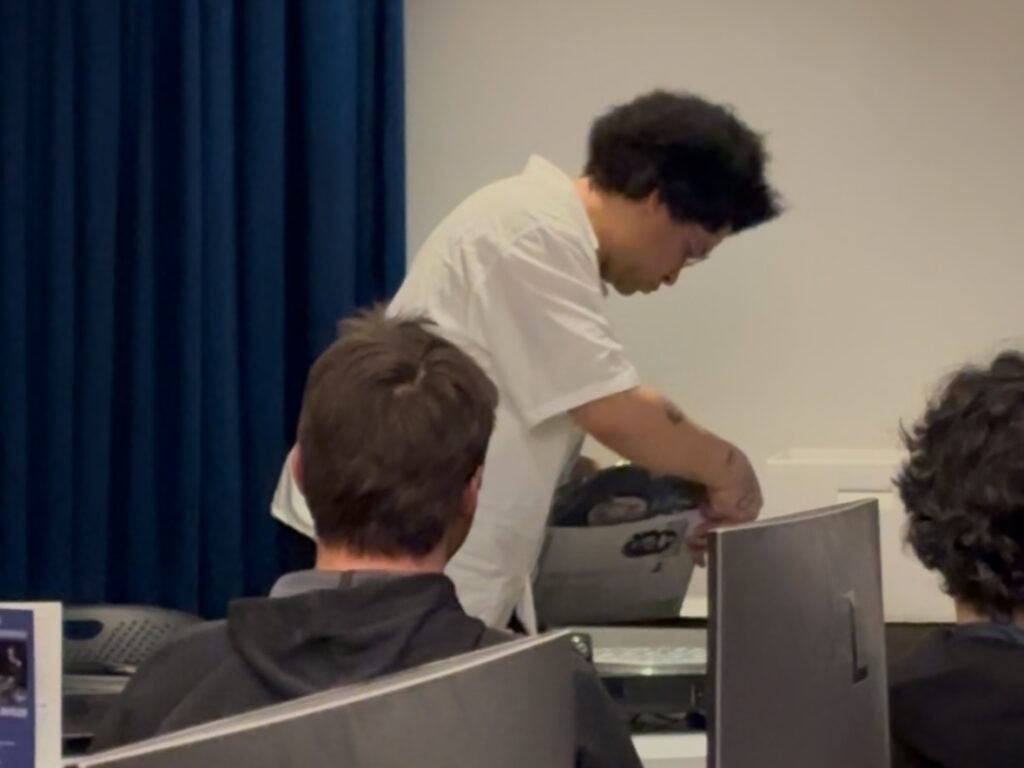
Russell E.L. Butler selects their next record during their Mic’d at MIRS set.
Selection is only one part of a DJ’s responsibility, should they accept the challenge. While Lovie’s set introduced me to new sounds, subgenres, and artists, Russell E.L. Butler (the E.L. is for Ellington Langston) focused on context, prefacing their set with prepared remarks about a run-in with an unnamed but extremely obvious Black movie director who laughed down Butler’s question about depictions of Italian-Americans in Black neighborhoods in the 1970s. Butler felt it important to invite questions and welcome curiosity, and they unfurled their musical knowledge with a flourish you’d expect at the unveiling of a well-preserved first-edition. Every 2 or 3 tracks, Butler would take the mic and recap what we’d just heard: “Black Narcissus” (1969) by tenor saxophonist Joe Henderson, “Bass Culture” (1980) by dub poet Linton Kwesi Johnson. Butler explained that Johnson’s performance at BAM in September was the musical pioneer’s first time back on stage in the US in nearly 20 years. Like Lovie, Butler used the turntable to combine melody and homily. A clip of steady-toned, impassioned speech about the ways in which racist-capitalist structures have, do, and will leave us behind solicited mmms of agreement from the audience. Butler revealed that it was a clip of W.E.B. Du Bois delivering his speech “Socialism and the American Negro” at the Madison Wisconsin Memorial Union in April 9, 1960; its high points were still prescient.
Libraries, too, are prescient, collecting things that may become scarce or be of importance later. In their function as societal cornerstones, libraries have a way of collapsing time, of erasing the space between the past and present. The Schomburg is no different. Here we were, a room full of people younger than cassette tapes bobbing along with vinyls and 45s, celebrating 100 years of housing a history that stretches longer than the Nile.
blacklove 🖤 and starlight 🌟
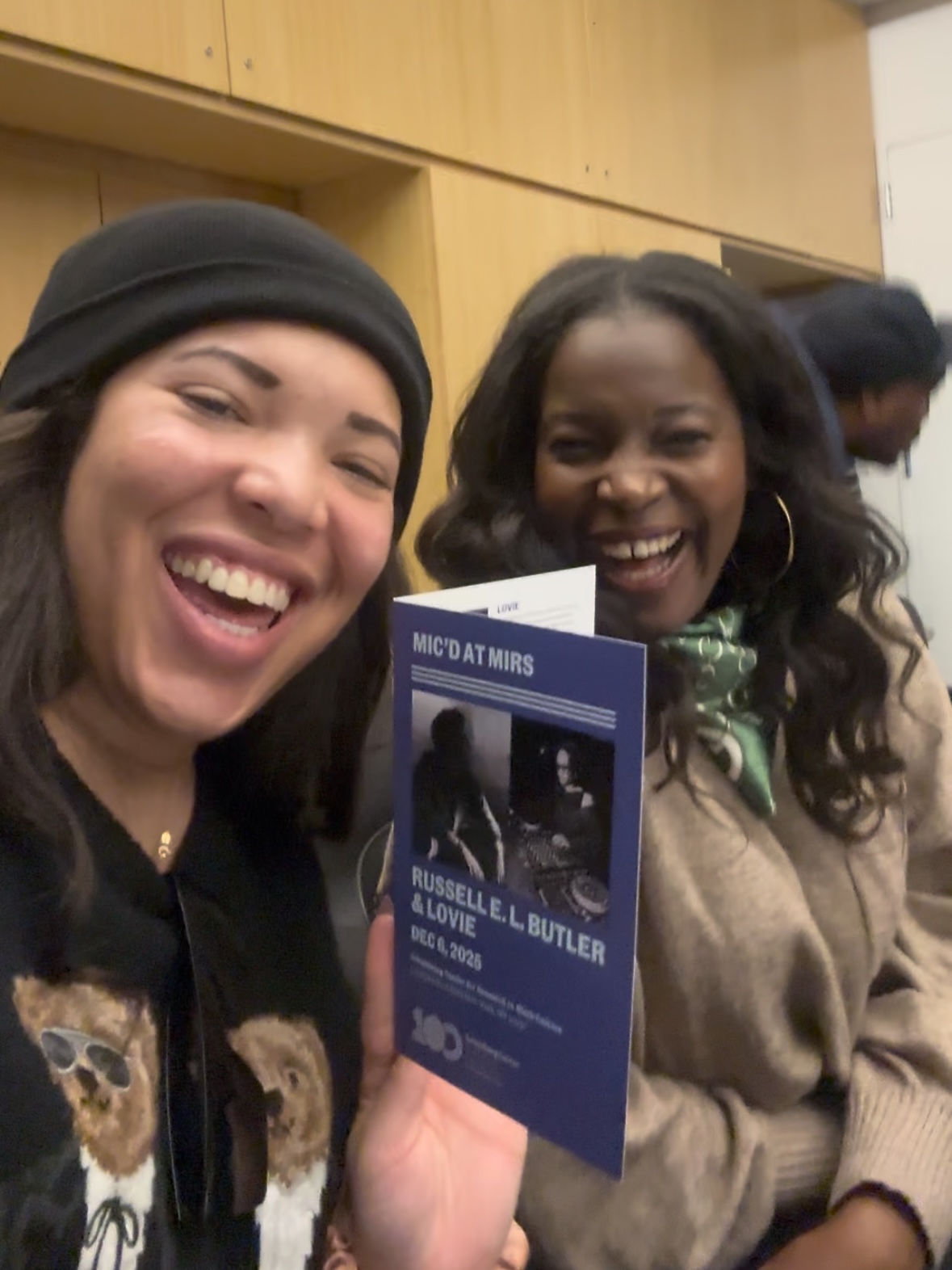
Mic’d at MIRS is “an intimate series of small, free admission concerts and DJ sets in the [Schomburg Center’s] Moving Image and Recorded Sound Division.” The series, created in partnership with The Lot Radio, “will activate the Center’s collections of recorded sound, poetry, and music to breath new life into the research materials through live performance.” This performance took place on Sunday, December 6, 2025. Kind thanks to Hollis Heath and Thysha Shabazz for the invitation.
-
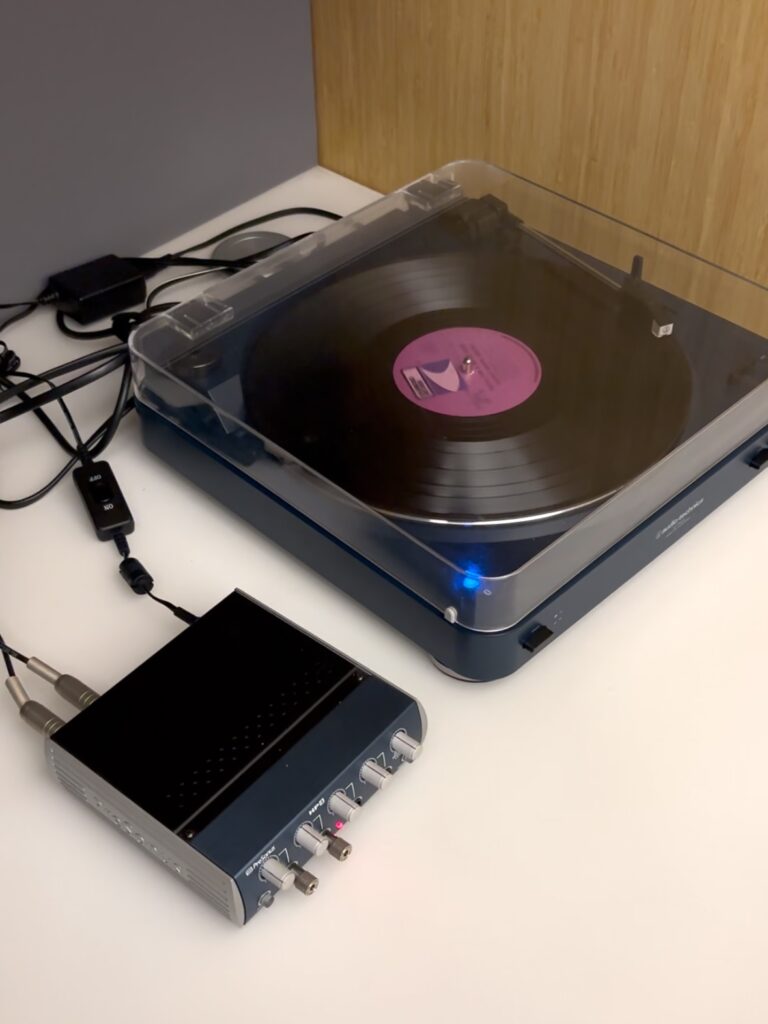
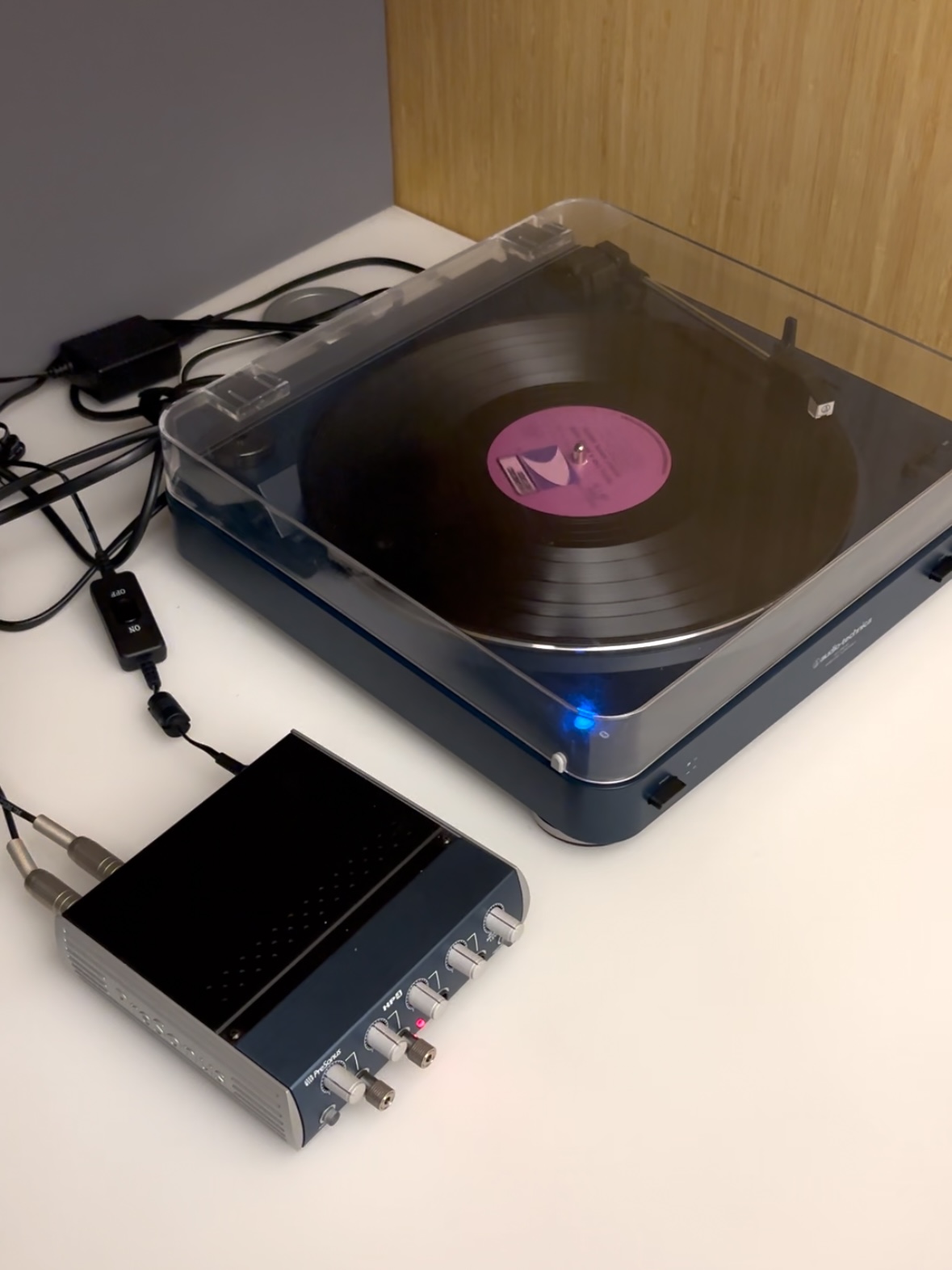
- Records and listening equipment are available to use for free in the Schomburg’s MIRS
-
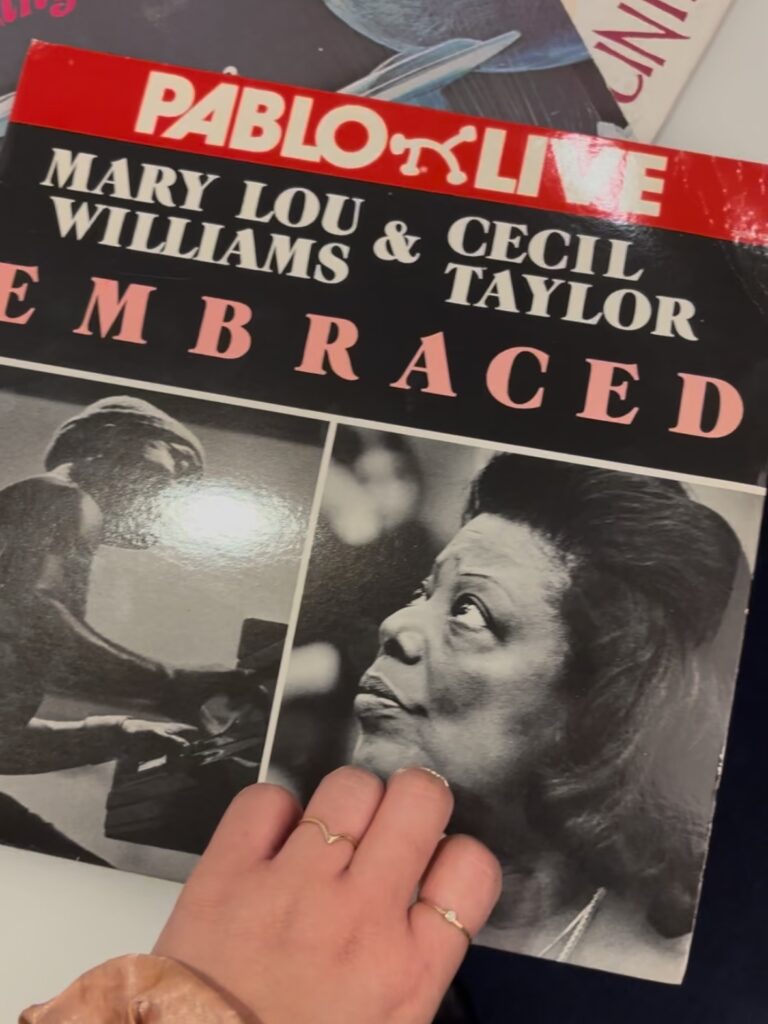
- In 1977, Mary Lou Williams and Cecil Taylor recorded a live concert album at Carnegie Hall called ‘Embraced’.
-
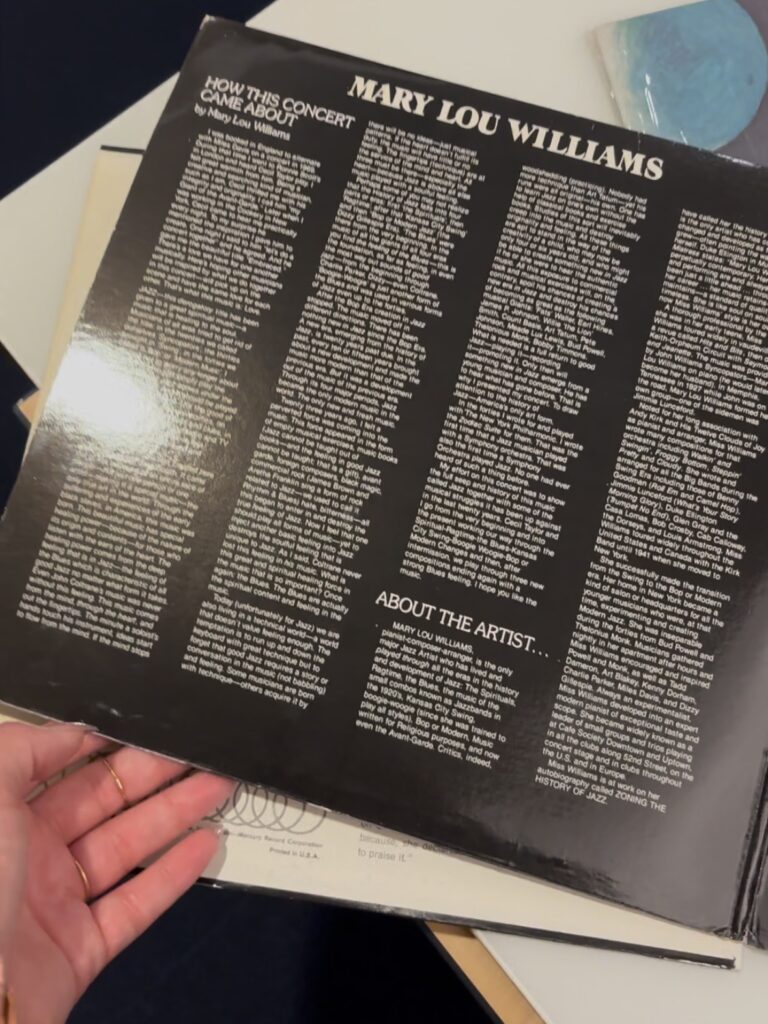
- The liner notes for ‘Embraced’ include Mary Lou Williams’s essay “How This Concert Came About” and are not available on streaming apps or easy to find online.
-
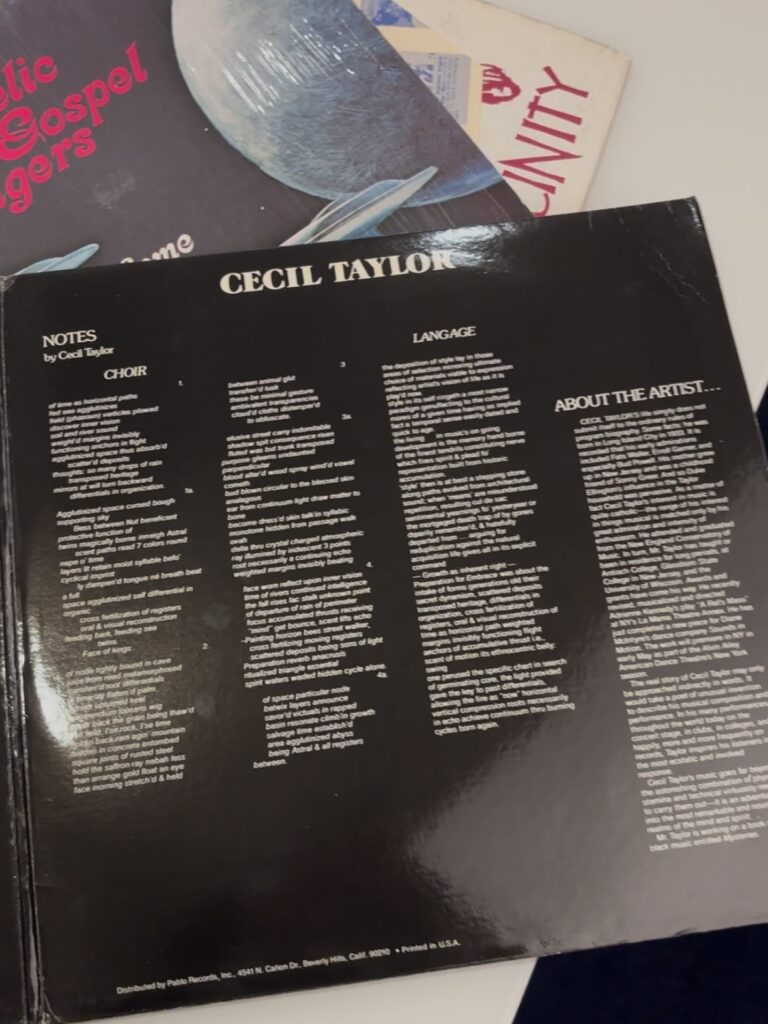
- Additional liner notes from Cecil Taylor from his 1977 live concert album with Mary Lou Williams.