
Fall For Dance Festival 2025
The fan-favorite festival returns! This year’s Black choreographers and performers spanned time and style
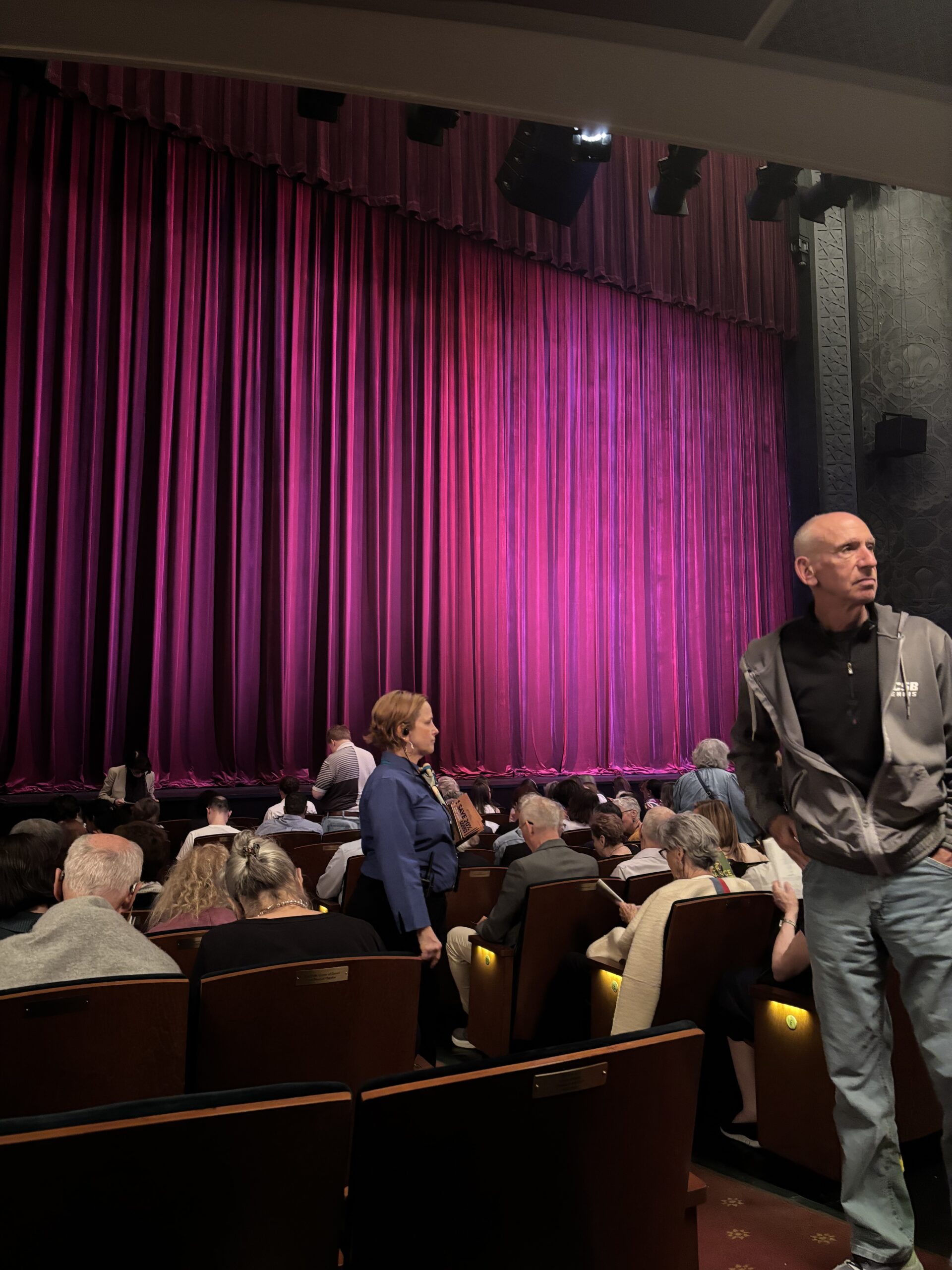
As you may remember, I spent a sweaty August Sunday in line at the City Center Box Office in an effort to secure discounted seats for this year’s Fall For Dance Festival. The same ticket that would cost $30 online was only $23 if you bought in person, and since I wanted to see at least 4 shows the savings seemed worth it. I rolled up to the block on a Citibike at high noon, still a little dehydrated from sipping Cutwaters at Planet Brooklyn the day before. I’d expected to arrive after the campers — the people who arrive before the box office opens and camp out in folding chairs — had all been seen to but a technical issue meant the line wasn’t moving at all. Even the people who’d arrived at 8:00am were still waiting to purchase. What I thought would be a quick errand turned into a full afternoon on my feet with an empty stomach in the heat of the day, a day-after-drinking nightmare. I got great seats to all 4 shows (orchestra center left) but next year I’ll reevaluate the upside to spending an extra $7 if it means I can purchase from the comfort of my own home AC.
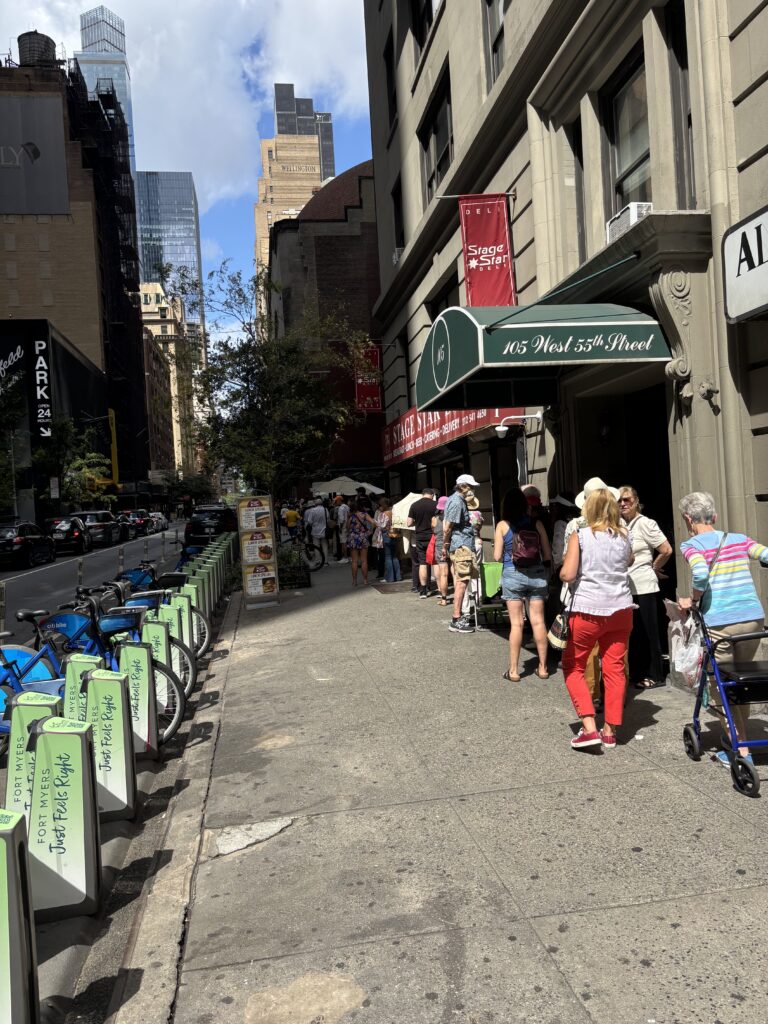
At 12 noon on the day festival sales began, the Box Office line stretched to the end of the block
“Dance Is A Mother” choreographed by Jamar Roberts (Program 1)
Roberts may be best known for his time spent choreographing for Alvin Ailey Dance Company, but that resumé byline clips the full length of his range. “Dance is a Mother” has its own voice; not the kind of thing I’d expect to see during AADT’s December residency especially because of the classical score. Five dancers — three women and two men — swished around in mint green pajamas to the sound of a string quartet. When the musicians plucked staccato notes, the dancers moved lightly and precisely in a small horde. When the music ebbed, they swelled like waves. The composition, even with live technically challenging vocals, didn’t impart a message to me but modern dance and I have a fickle history.
“BY AND BY” choreographed by Lil Buck (Program 2)
I’d been interested to see how “jooking” pioneer Lil Buck and opera wunderkind Davóne Tines would execute their collaboration. Both occupy pedestal-level spots in their respective lanes, but they shared the stage gracefully. Tines soared over (and under) thumping synth while Lil Buck danced a duet with his shadow, playing off of the stage lights. At the end of the first number, the two men collected their applause before unexpectedly beginning a second one. Here, the energy was higher. Tines encouraged the audience to clap along by doing so with his toned arms above his head. Lil Buck snatched his body back onto the front outsole of his shoes, tip toeing around on his sneakers with brisk abandon. In the sweet by and by, things get better, brighter, and more upbeat.
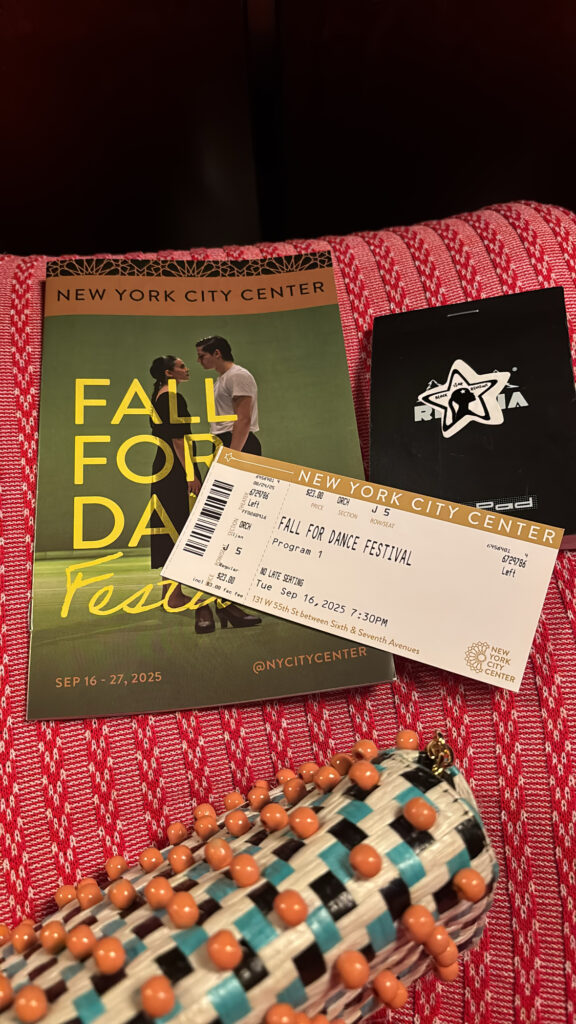
“The Missing Fruit (Part 1)” choreographed by Roderick George (Program 3)
Last year, Roderick George’s Venom had been the highlight of my festival experience. I went into this year’s performance with high hopes. The playbill had “Missing Fruit” slated last and I sat impatiently through the first two acts. Back to back days of dance had exhausted me. When the lights went down for the finale, so did I. I missed the majority of the piece I’d most wanted to see, closing my eyes and opening them only to find I’d missed something again. I’d awaken when the industrial sounds of the music startled me and then slide back into sleep despite my best efforts. I managed to catch the final moments of the number: it was a pas de deux with two men. Instead of a man lifting and supporting a woman, the combined athleticism from the two men turned the feat up a notch. I’m certain the entire performance was just as thrilling and I’m sad that I didn’t properly prepare to bear witness.
“Grace” choreographed by Ronald K. Brown (Program 4)
This was my first time seeing it, but it’s safe to add “Grace” to the list of AADT pieces that I consider to be favorites. It begins with a lone woman dancer dressed in white, stirring our burden to the lyrics “Lord Almighty, please look down and see my people through”. Soon, she’s joined by dancers in red who hop, pop, and kick to house music. The somber mood is replaced with festivity. By the end, everyone is in white, having shed their struggle and freed to exist in an Afropop future set to Fela. Each time I worry that I don’t understand dance as an art form, an Alvin Ailey piece reminds me that I understand dance when I can intuit its connection to me. “Grace” seemed to be telling the story of a people who’ve prayed and bled, but stayed joyful throughout, until they reached a new beginning. That’s our story. When the work premiered at City Center in 1999, the garage collab “Gabriel” by vocalist and trumpeter Peven Everett and DJ/producer Roy Davis, Jr., was already 3 years old. It was news to me that Sampha’s 2017 version was not the original one. That “Grace” and its music feel current is a testament to AADT’s unique timelessness. Its narrative covers every curve of our diasporic journey and predicts that we’ll make it through the pain to the party. And I believe it.
After the performance, Reggie, Rosa, and I ducked next door to a speakeasy with a $35 steak-frites-and-a-martini special. I marked it on my map as a smart place to grab a pre-show espresso. Fall For Dance comes once a year, and next time I don’t want to miss a single minute.
blacklove 🖤 and starlight 🌟
The 22nd Fall For Dance Festival took place from September 16-27, 2025 at New York City Center in Midtown. I purchased my own tickets for each Program. The festival will return in 2026, program line-ups and ticket schedules are announced throughout the year. In the meantime, you can plan ahead by reading my guide to FFD or my FFD reviews from 2024 and 2023.
-
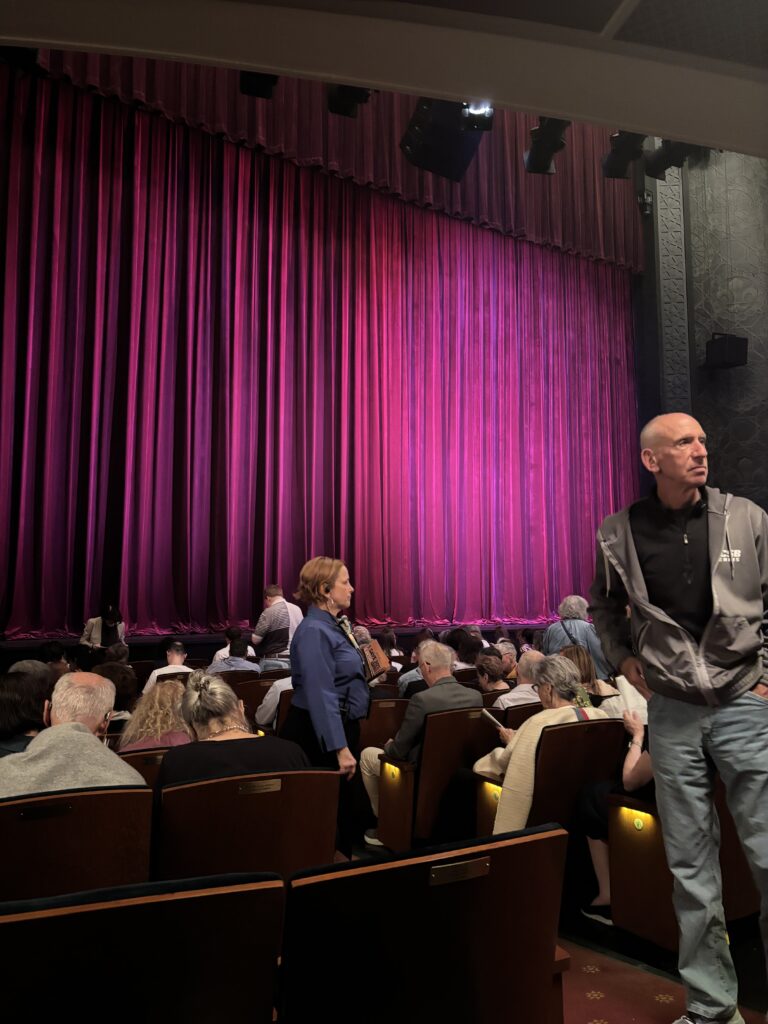
- The view of the stage from the center left orchestra
-
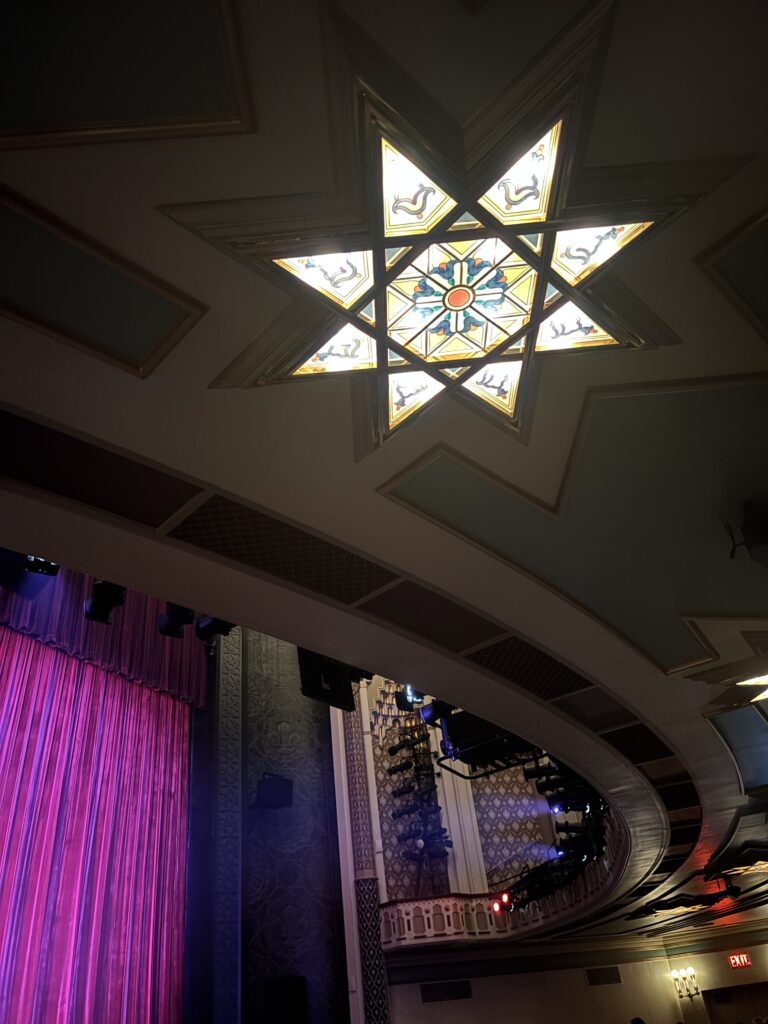
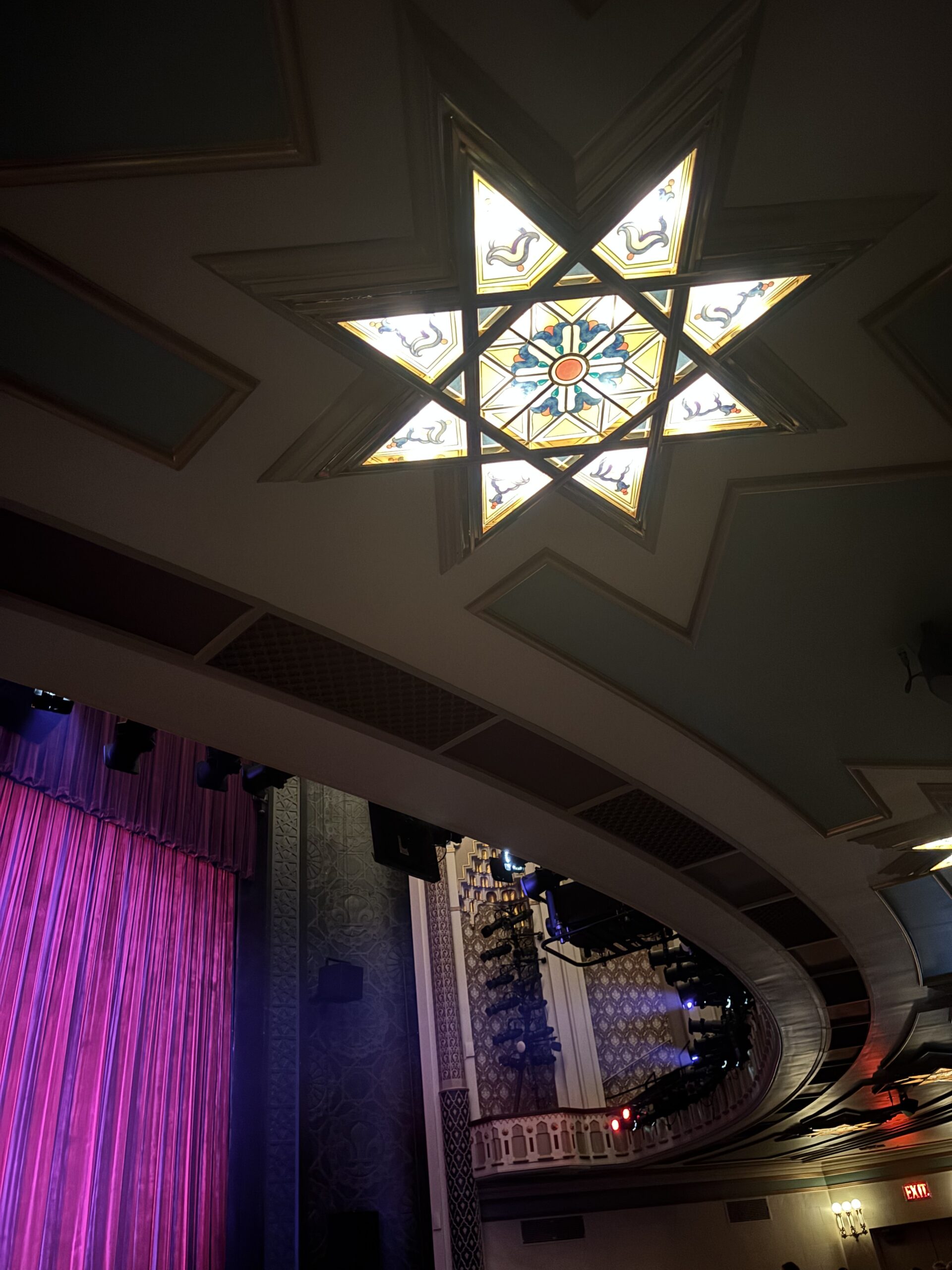
- City Center used to be a Shriner Temple. It was rescued from demolition by Mayor Fiorello LaGuardia in 1943, when it became a public performing arts center. The Moorish design touches remain. This skylight is visible in the orchestra section.
-
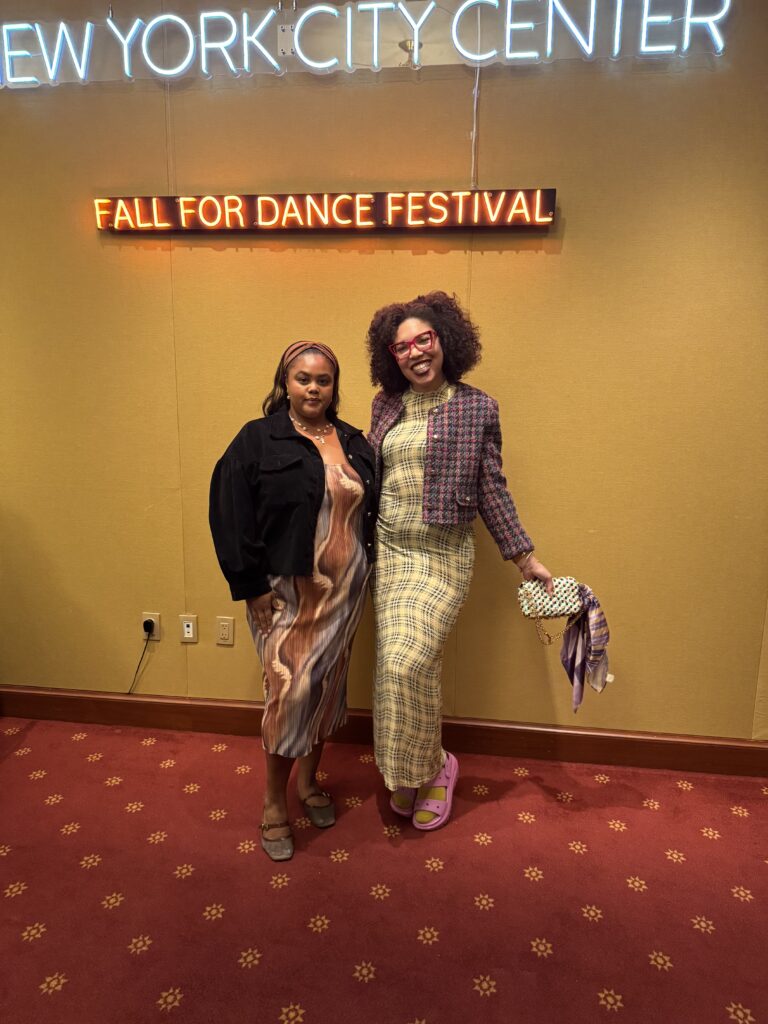
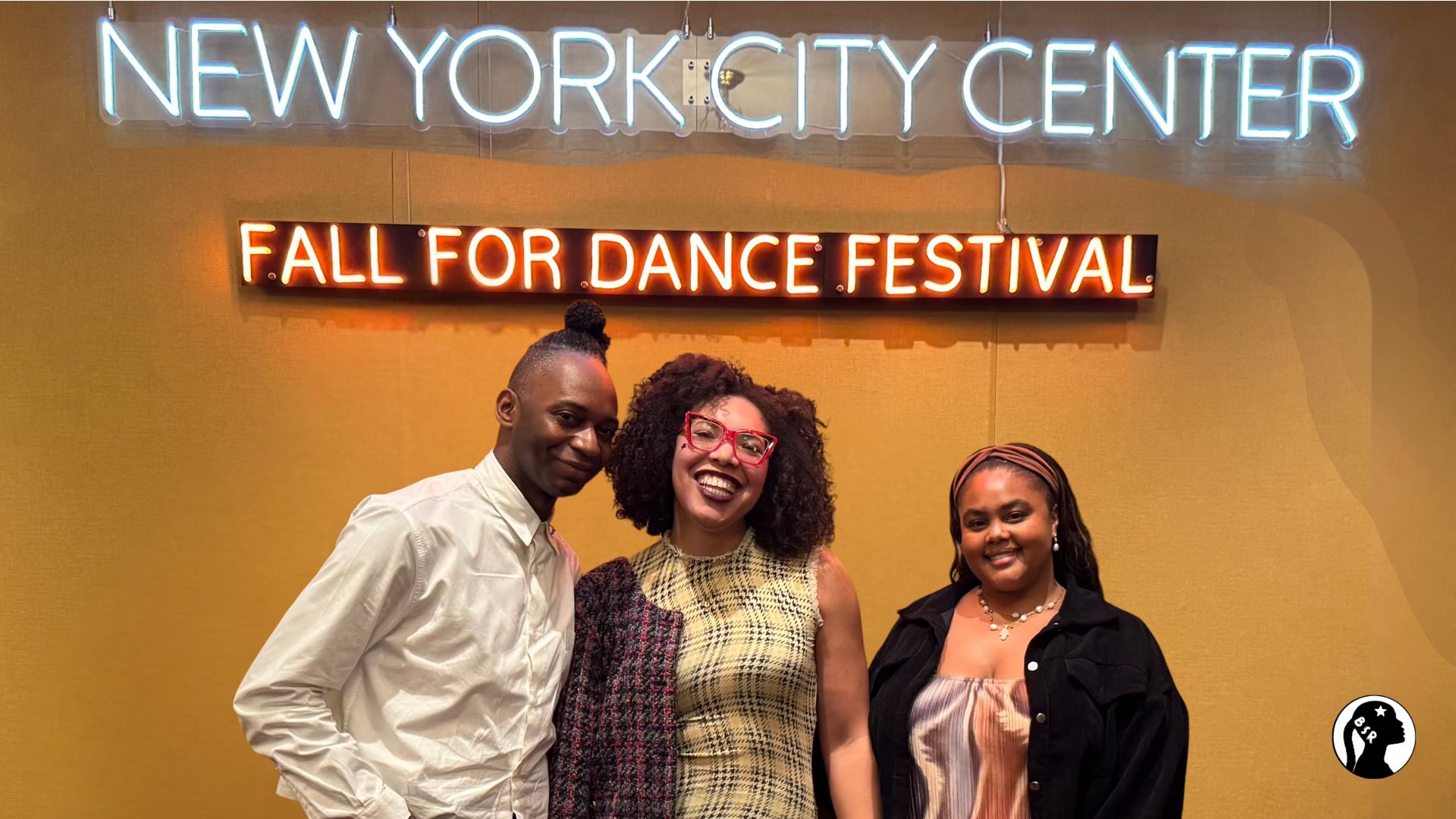
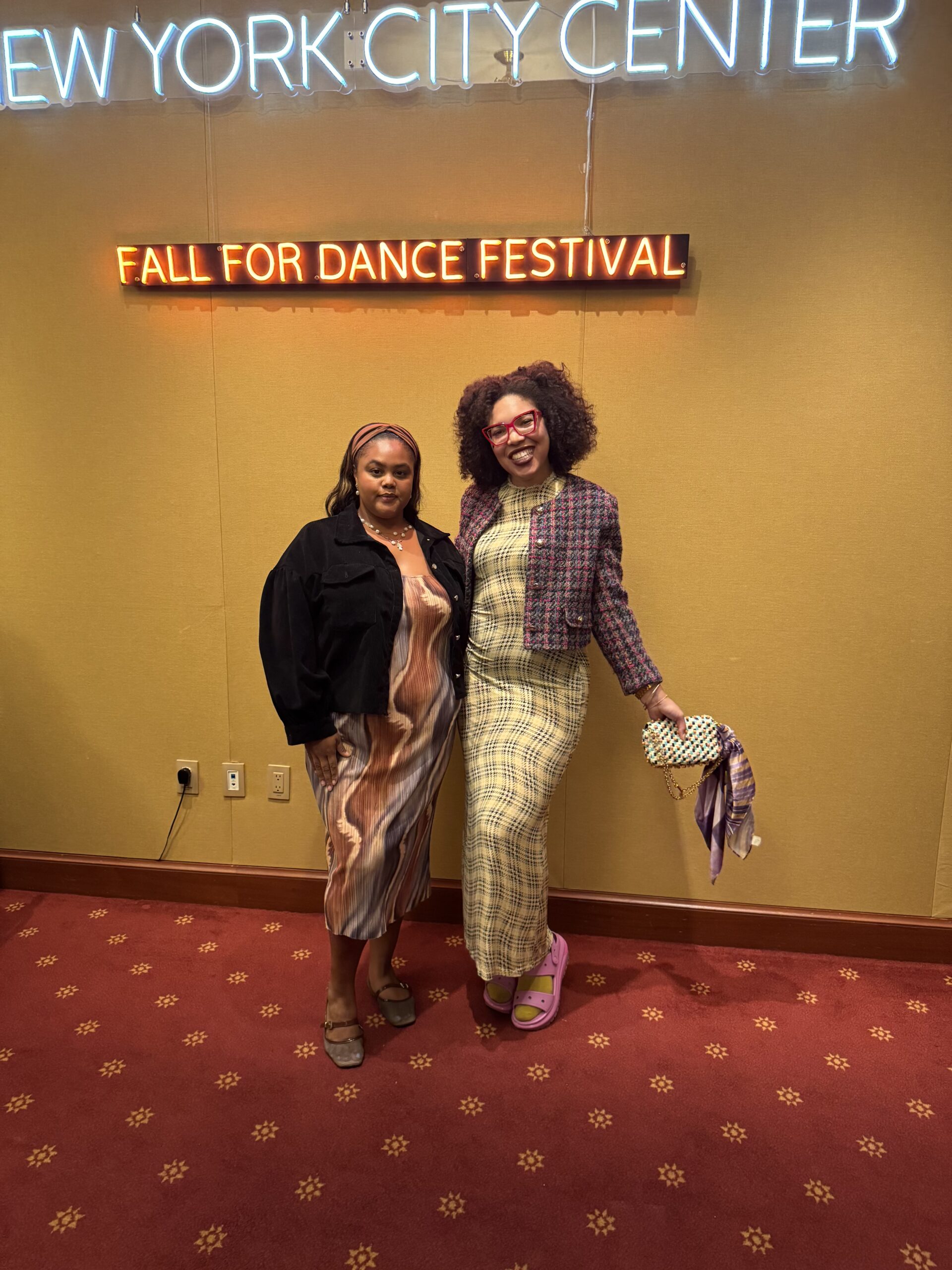
- Rosa and I recreated our iconic annual photo
-
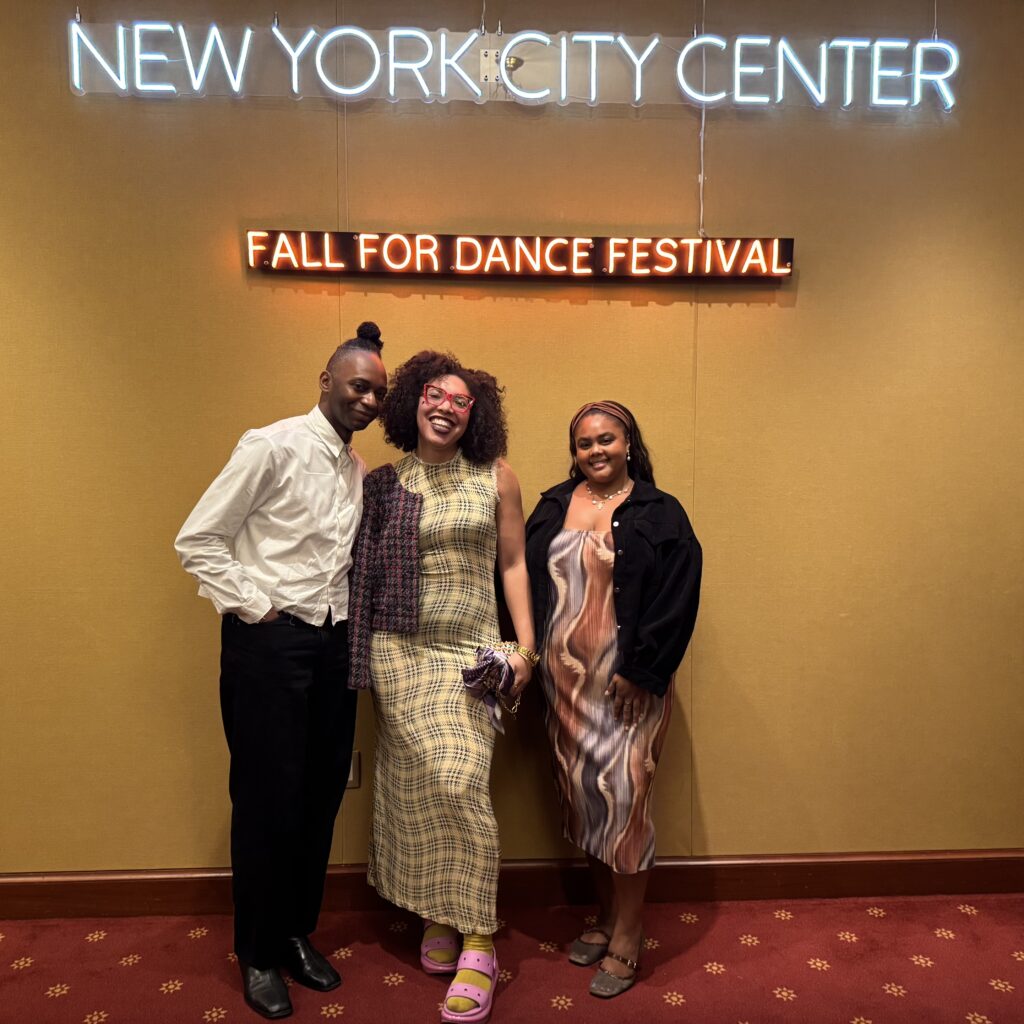
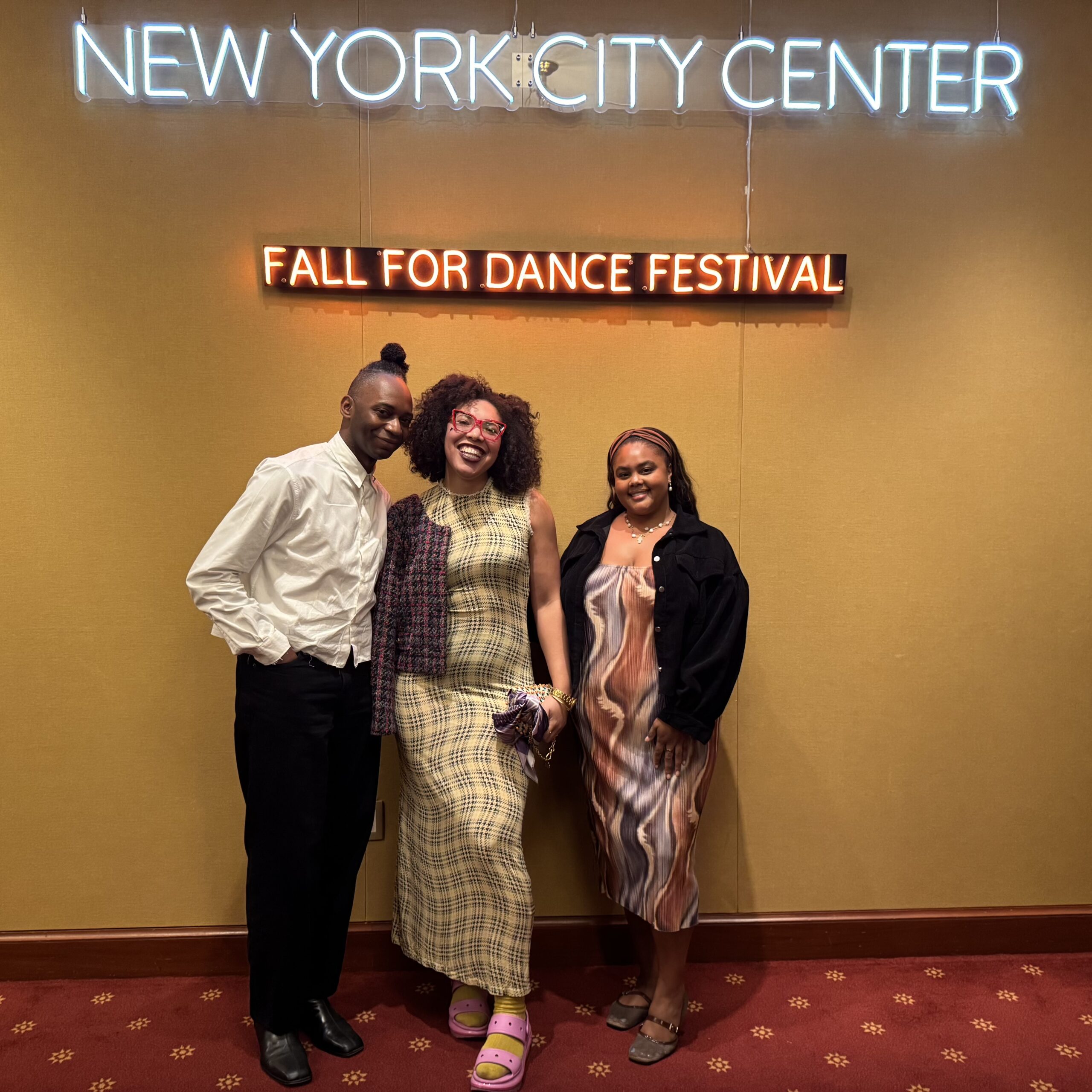
- Reggie joined us this year!
-
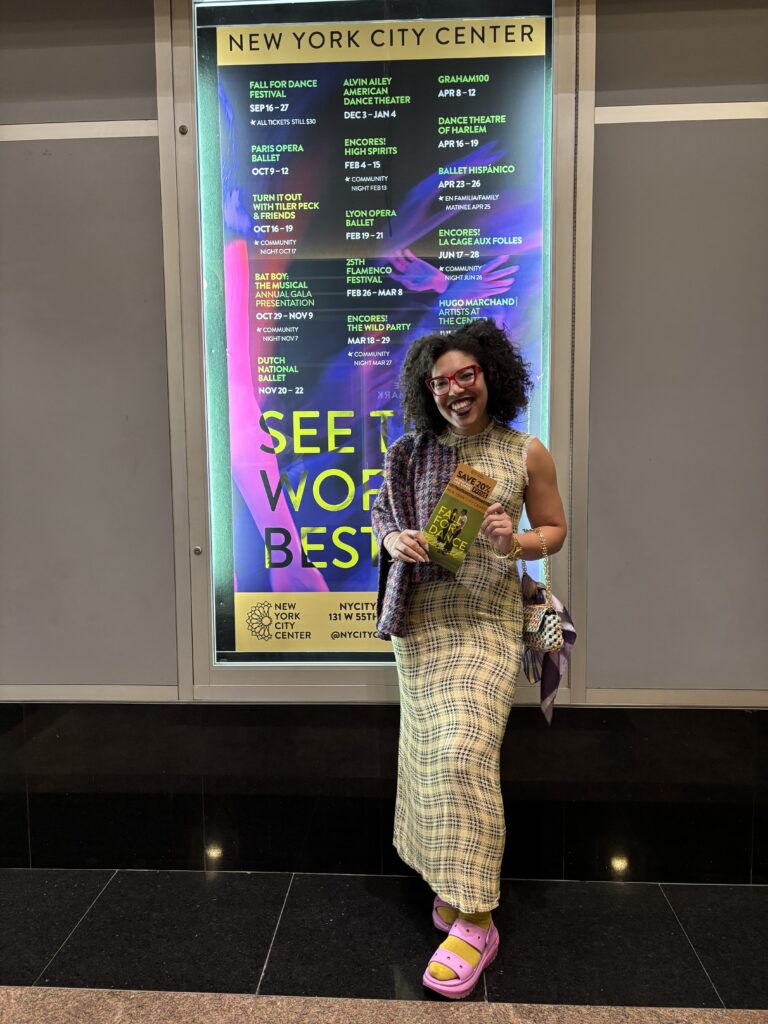
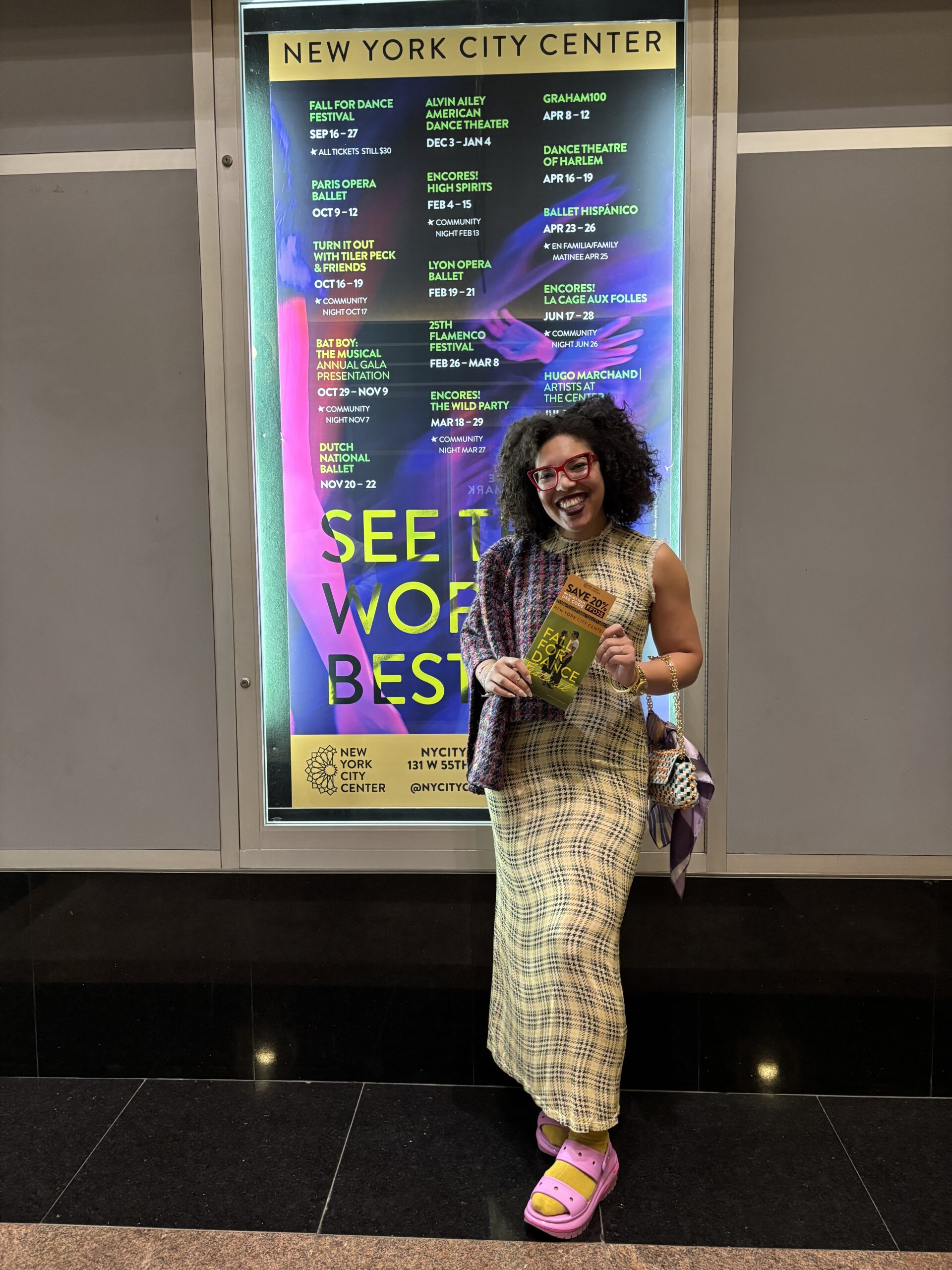
- Another festival in the books!
-
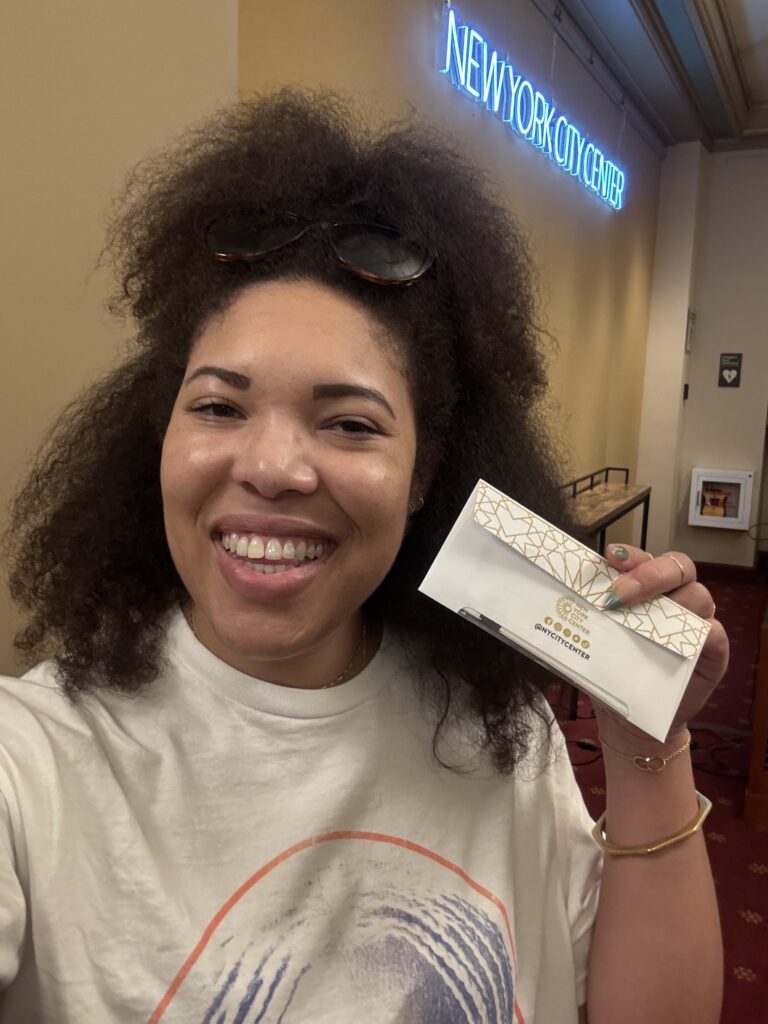
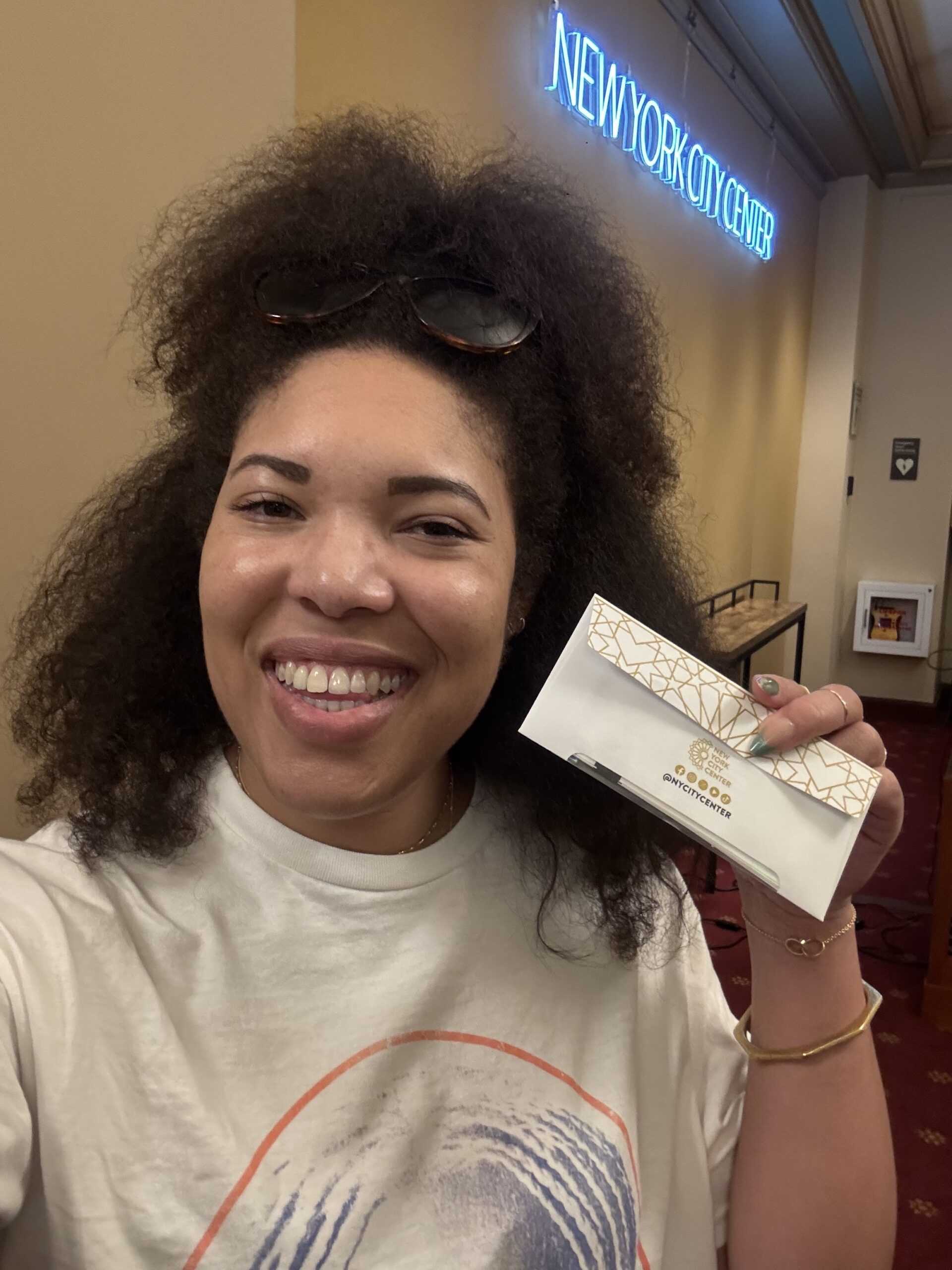
- Secured my tickets after waiting in the heat for 2 hours