
Re-Encountering Nazareth Hassan in ‘BOWL EP’ and ‘Practice’
Listening for the dialogue between Nazareth Hassan’s works helped me to find my voice
There was no one to blame but myself.
Practice had been open for over a month and I hadn’t seen it. I scrolled half-heartedly through the list of dates and waffled between paying out of pocket or asking for press tickets. It’s a painless ask, but I was scarred by shame. I’d received a press ticket to see BOWL EP in June. July, August, September, October, and November had come and gone. I still hadn’t drafted a review.
I happened to be seated next to another reviewer at the Wednesday matinee in June and we exchanged email addresses to share our published pieces. (He never heard from me again.) After the show, I stepped out onto the sunny sidewalk with pages full of quotes and a heavy heart. Other reviews poured in — I limited myself to reading only the headlines. NY Theatre Guide called it “wild but tender”, The New Yorker went with “zonked-out erotic dream-play”, Theatrely called it “the explosive new work we’ve been waiting for”. It seemed like everybody had words but me.
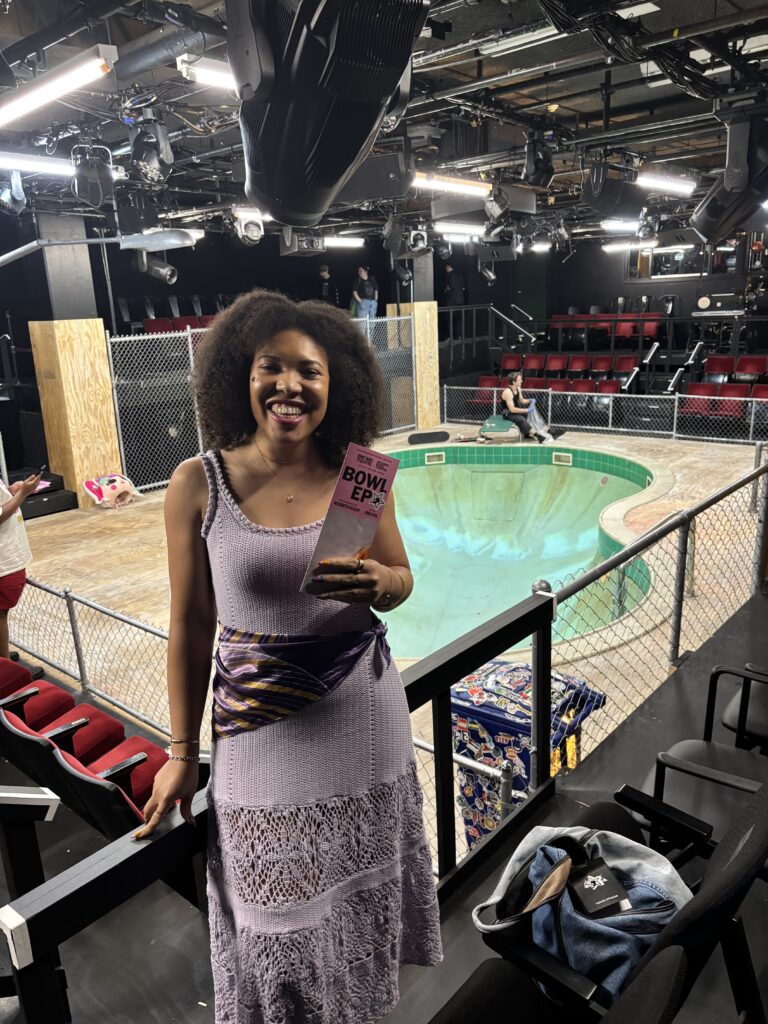
After BOWL EP at the Vineyard Theatre in June
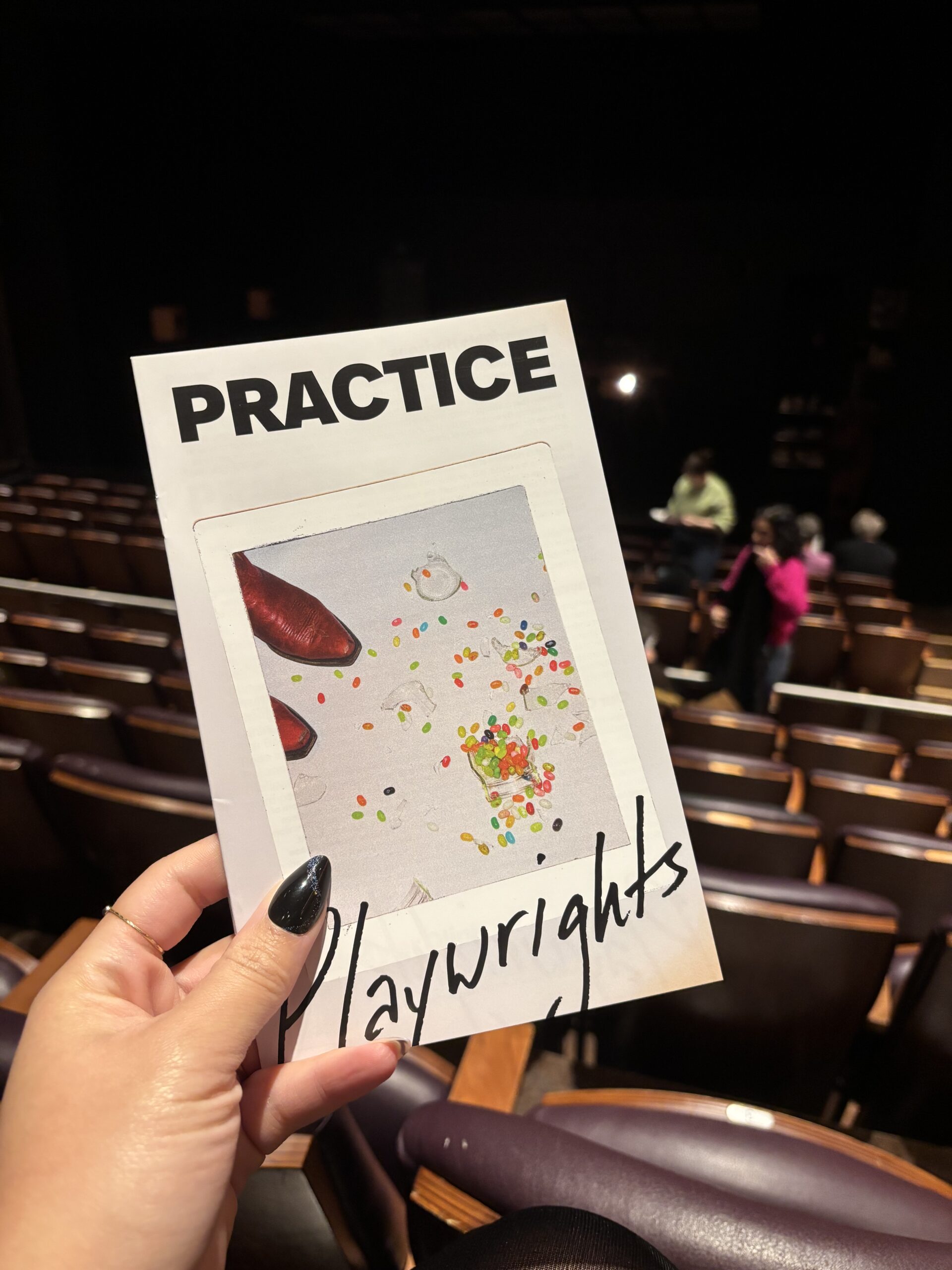
When Practice rolled around, I tensed. Not only did I feel guilty for fumbling my end of the bargain for BOWL EP, but I wondered if I knew enough to make sense of another of Hassan’s works, if I was “on the level”. I’ve ranted before — maybe not on paper, but surely at cocktail parties — that I don’t want to hear reviews of Jaja’s African Hair Braiding by people who’ve never gotten their hair braided and/or don’t have hair at all. (The Times knows what they did.) I fretted that I was splashing around in someone else’s puddle. So I waited. And waited. And waited to take action until the sold-out final day of the production’s 50-night run, when FOMO combined with a strong recommendation and quick clicking by a theater-loving friend meant I had secured a middle seat in the back row.
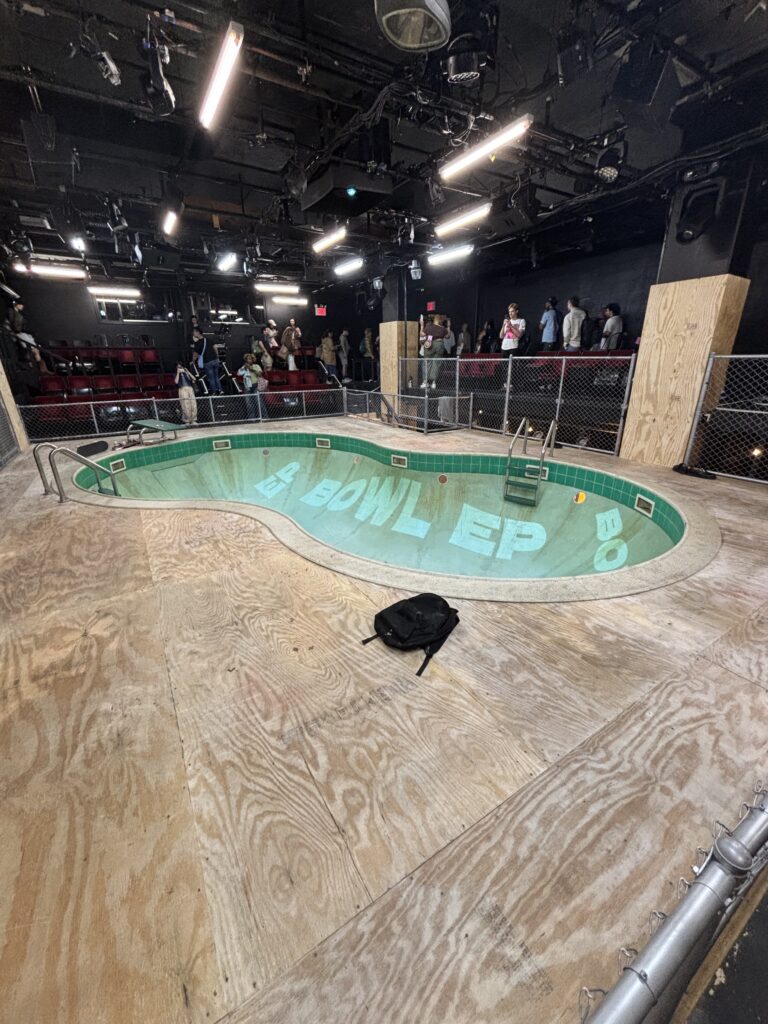
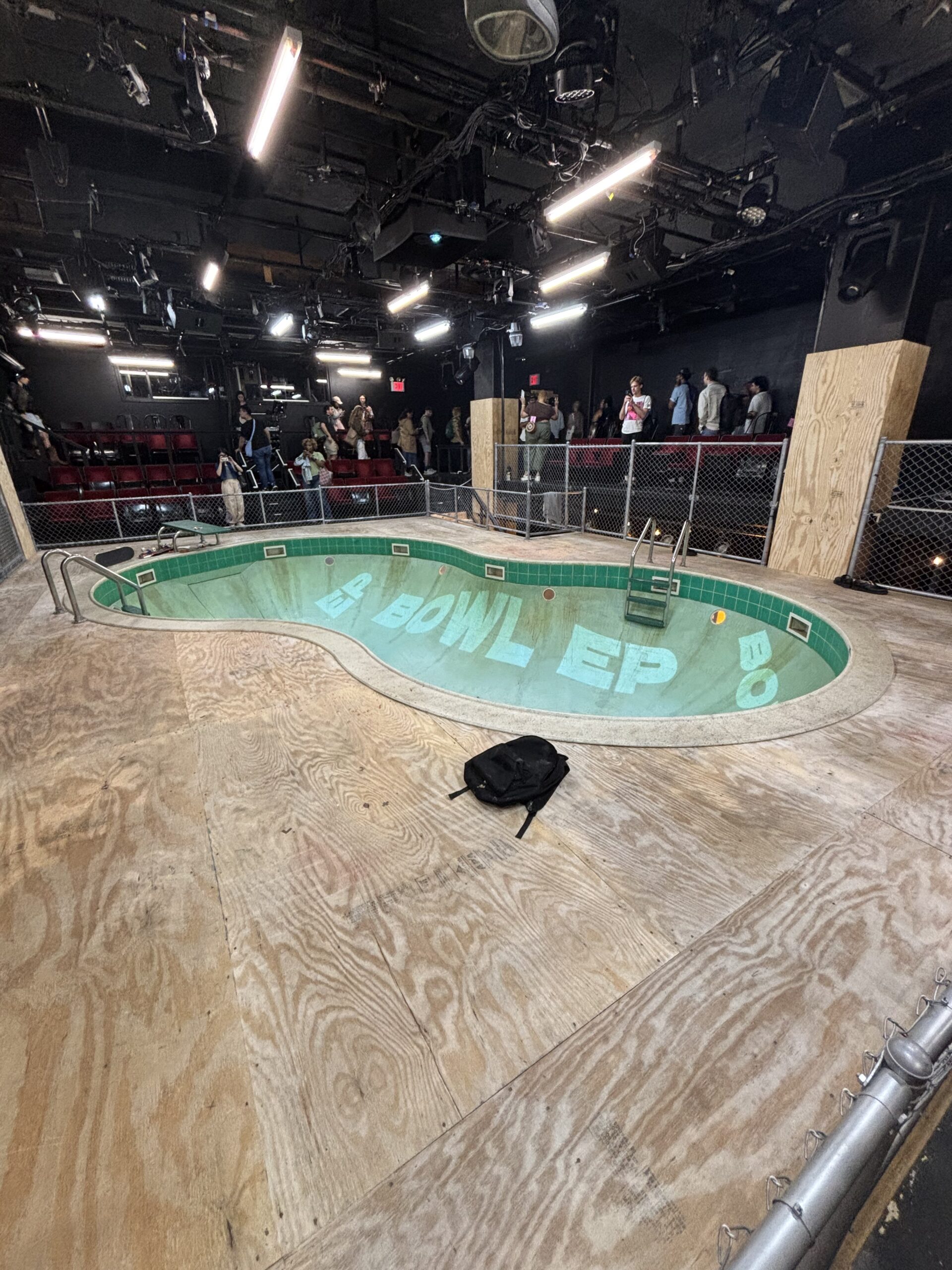
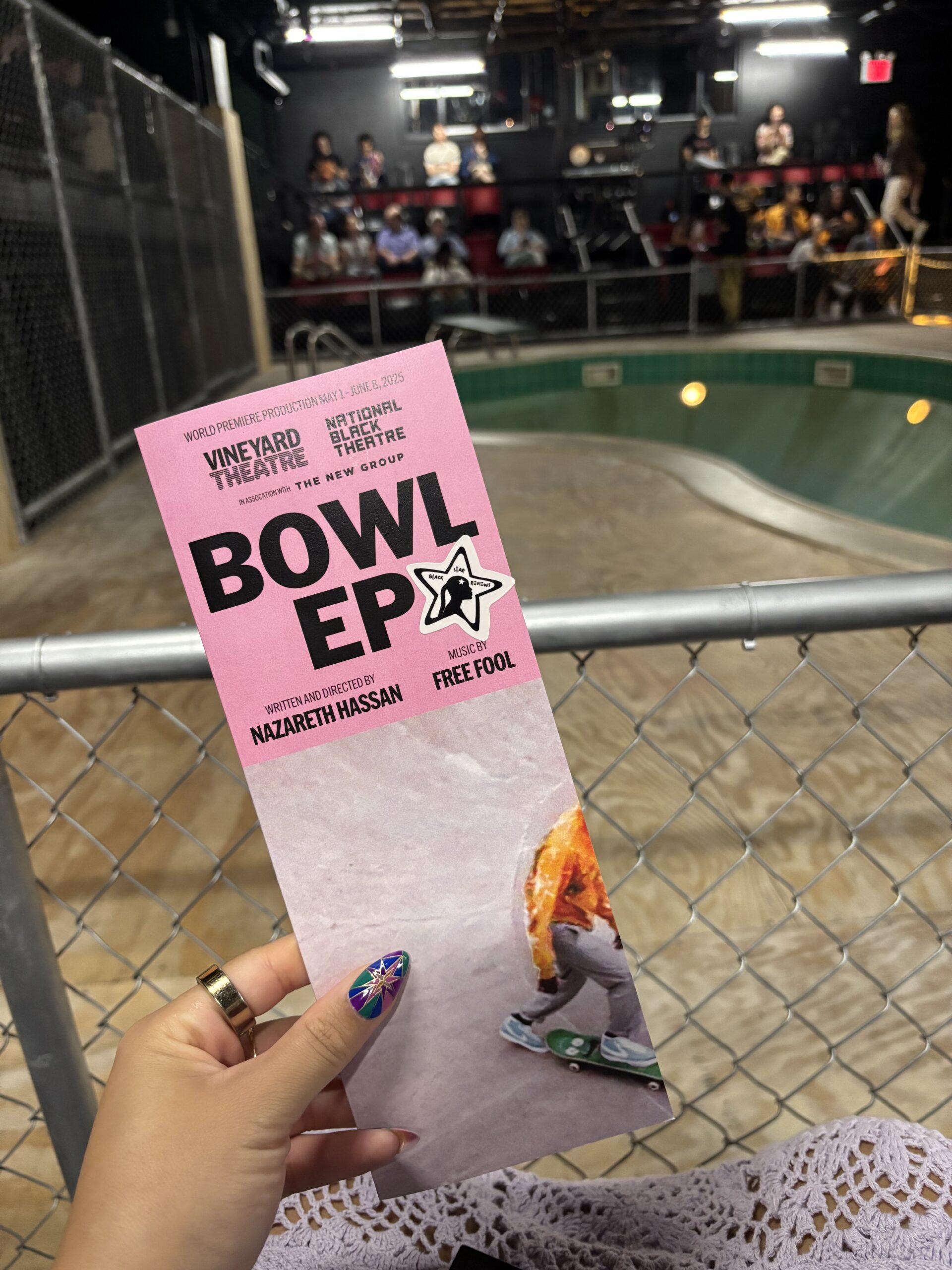
When I boil it down to its barest bones BOWL EP is a love story set to and inspired by a mixtape by two queer rappers who use the bowl of an empty swimming pool as their personal skate park and love nest. They eat, rap, flirt, kiss, and fool around. The two, Quentavius da Quitter (Oghenero Gbaje) and Kelly K Klarkson (Essence Lotus), build trust through vulnerability; each opens their emotional scars and press together the resulting wounds. They take a drug-fueled trip that reveals the parts of themselves they can’t reconcile and their star-crossed love story ends tragically. Imagine if Romeo or Juliet had gone off to college and the two spent the rest of their lives pining for each other. The tragedy, the heartbreak, the crush of young love under shame’s bubblegum-pink platform boot (Felicia Curry) left me feeling pulverized.
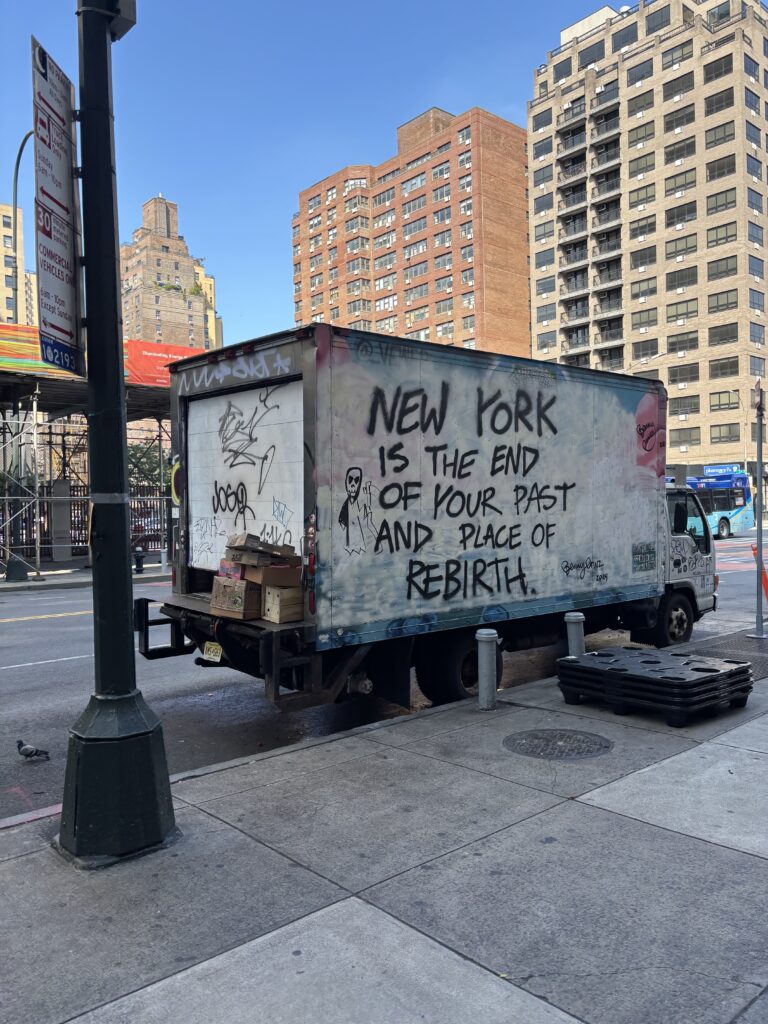
A truck parked nearby after BOWL EP that reads “New York is the end of your past and place of rebirth”
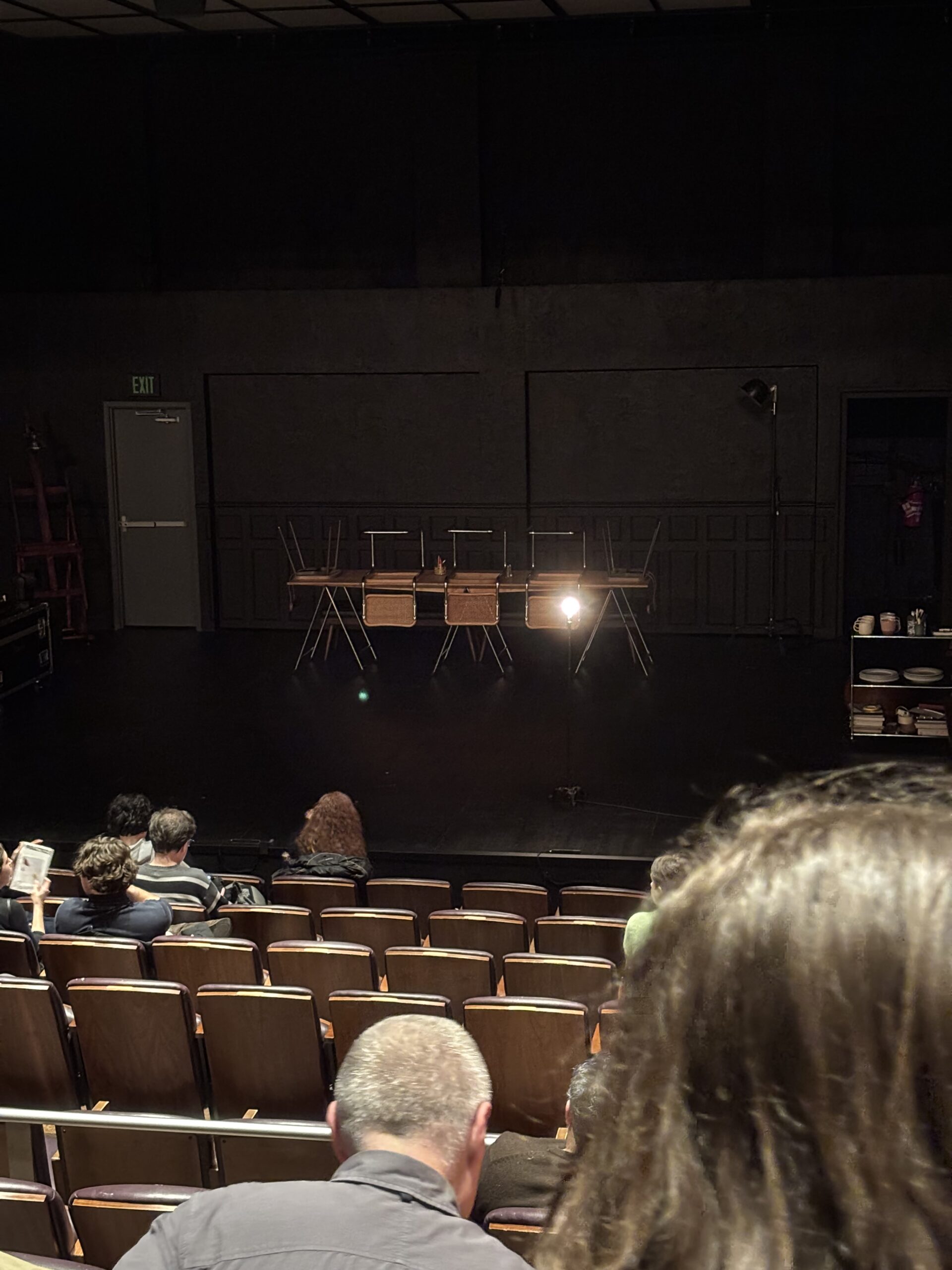
If Practice is a love story, it’s one of self-love at the cost of all other forms. A lauded playwright convenes a group of actors in an intensive residency with a personal agenda. Asa Leon (the fabulous Ronald Peet from The Fires) is an acclaimed creative who feels the need to reclaim power. Establishing a career in the arts has demanded exploitation. Sponsors, funders, Board members, producers, and supporters all seem to want a piece of Asa’s self-regard in order for their works to find a stage. The remaining shell of Asa, having sacrificed pieces of their dignity for survival, finds this dynamic fascinating and sets out to replicate a form of the same abuse on a larger scale by successfully creating a cult.
Through the guise of acting exercises, Asa extracts the actors’ deepest desires and withholds them, magnifies their least cooperative behaviors, and encourages a punitive “see something, say something” vibe with a tallychart scoreboard — the hellish inverse of an elementary school sticker chart. One actor sees the writing on the wall and escapes. The others stay, believing that they chose to endure the treatment for the potential resumé payoff. They don’t realize that they’ve handed over their capacity for choice to Asa. Cohort dinners, which are served family-style, become battlegrounds. Participants slowly lose touch with their lovers, families, and friends on the outside. An actor is made to wear a dunce cap labeled “thief” after she is unanimously accused of stealing Asa’s favorite snack; she didn’t actually do it, but admitted anyway to appease the group.
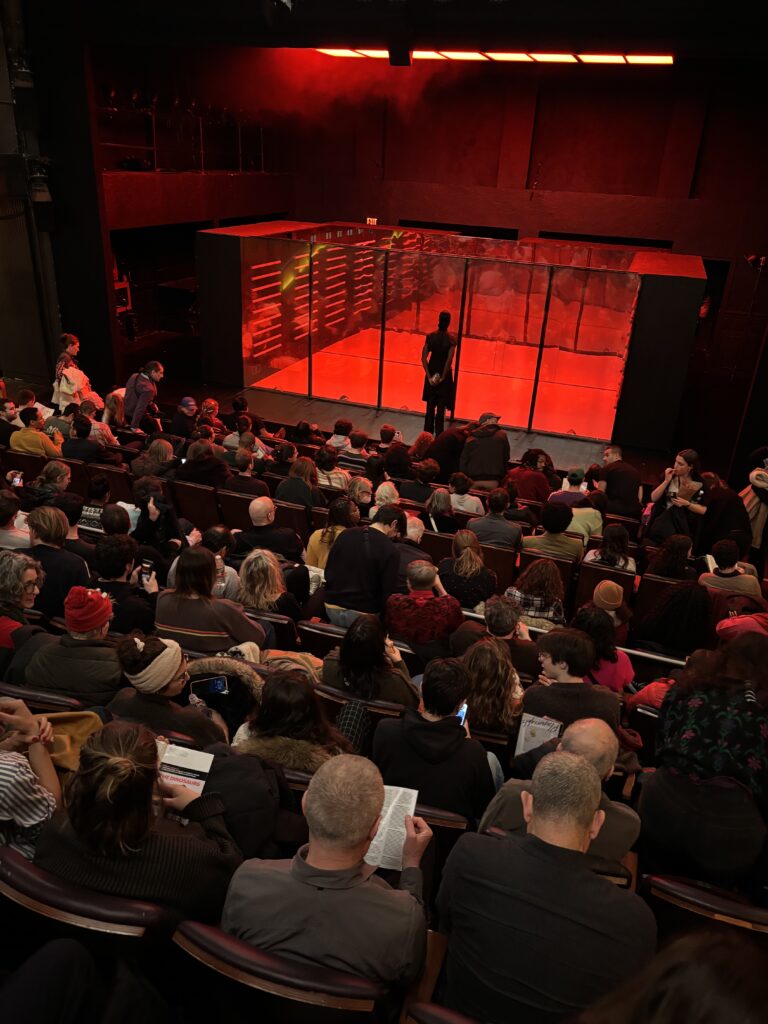
Asa Leon (Ronald Peet) supervises a set change in plain view during the intermission
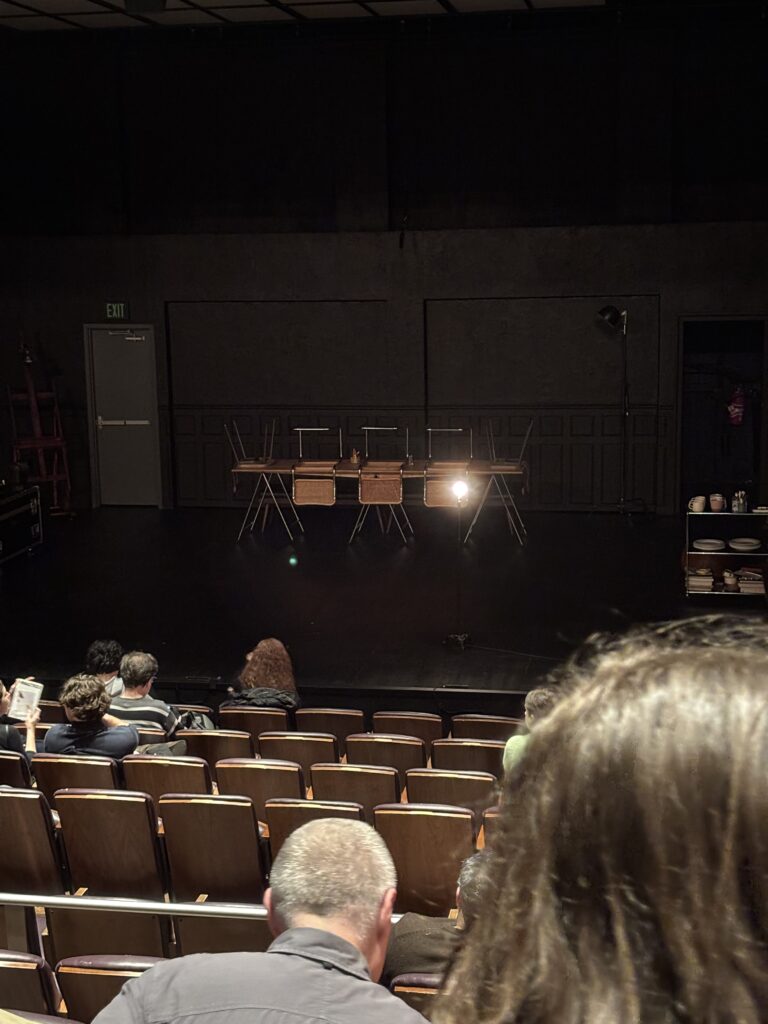
The show within the show, a 20-minute performance that Asa eventually produces to satisfy the commission, is a body-swapped retelling of the team’s journey from Ro, Mel, Savannah, Keeyon, Angelique, Rinni, and Tristan into a single identity, a yellow plastic blob that speaks in unison and moves in concert from within a clear acrylic box onstage. The box resembles a fishtank with a glass ceiling and it’s assembled during the intermission. Asa remains on stage during the 15-minute break, overseeing its construction and staring at their reflection in the prism’s mirrored rear wall. Holy hollering booms through the theater, there’s no break for Asa and no break for the audience. Julius Eastman’s “Prelude to The Holy Presence of Joan d’Arc” combines the repetition of trance music and the thundering stretch of operatic gospel to urge Joan of Arc to speak when questioned. (I can’t remember if the version played at Practice was the original version sung by Julius Eastman or the more recent recording by Davóne Tines who I saw in Gospel at Colonus and Fall For Dance.) You may remember Joan for being burned at the stake for her beliefs. The use of this song here strikes me as Asa’s internal monologue urging them to speak by following through with their art. Asa knows it’s not what people want to see, it’s not as long as originally promised, and it marks an irreverent turning point in their career; it’s likely that their icy demeanor conceals a biting fear that they’re throwing away all they’ve built. But no matter how sympathetic one may be for Asa’s plight as a Black queer playwright trying to stay afloat in an affluent white field, they’re still responsible for the waves of violence that have doused the company’s once-individual spirits. Everyone on Asa’s stage will need an inpatient therapeutic reset.
Nazareth Hassan was in the audience of Practice the same night that I was. They arrived with an entourage (likely just friends) and sat on the far left side of the orchestra. If “all art is autobiography”, I wondered where Hassan fit into the show. Is Hassan one of the company, let loose from under the command of an absolute lunatic who brushes off eccentricities as genius? (There is an artist statement in the playbill from Hassan titled “The Theater of Power, & The Power of Theater” that alludes to this.) Is Hassan Asa’s partner, the one who bankrolls the work and cheats on Asa with one of the company? Maybe Hassan is Asa’s assistant, who slides away from tense moments and keeps the pantry stocked? Or, though I’d imagine it too coarse and obvious for Hassan, is Asa their stand-in, a subversive way to express frustration at their own exploitation in theatre? Hassan could be all or none of the above.
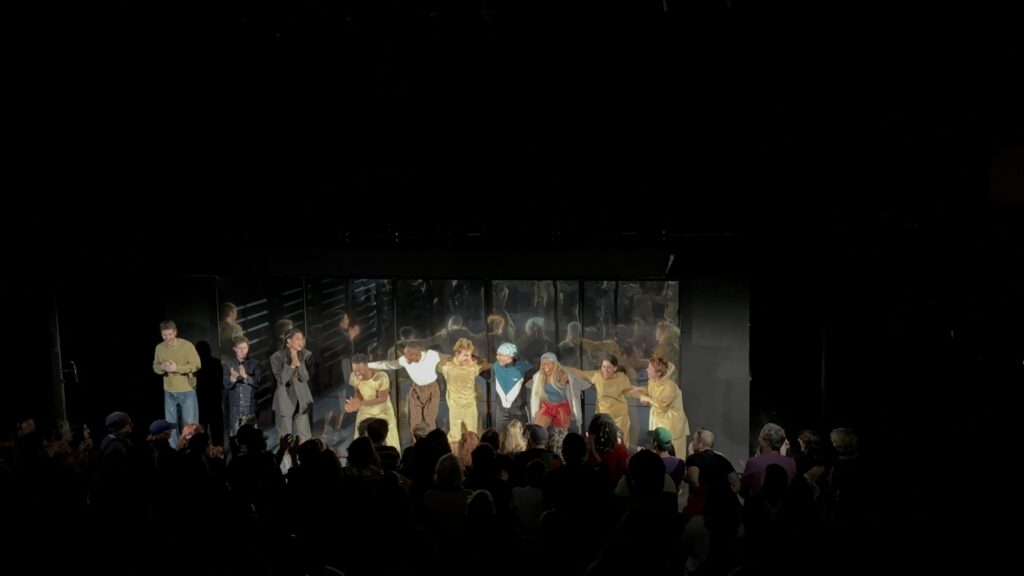
The cast of Practice takes their final bow at the end of the run
During the company’s short, strange production they speak in one voice as Asa, “If you want to see more of me and my work, expect more of this.” The announcement feels like a challenge, that the work will get weirder, that donations and support will not go to a “good” cause but to whatever the f*ck they want. It’s a self-deprecating, unapologetic, take-me-off-the-pedestal approach similar to what we’ve seen when Disney Channel stars endeavor toward their first adult turn. In 2013, Miley Cyrus, former star of Hannah Montana and daughter of country music singer Billy Ray, dressed in a nude-colored latex two piece and twerked her cheekless lower back on Robin Thicke (who was inexplicably dressed as Beetlejuice). Practice may be Hassan’s Miley moment, a method for shaking off old expectations and pivoting from any predictable career trajectory.
That said, this isn’t Hassan’s first use of choral text. In 2021, they answered The Shed’s Open Call with Untitled (1-5) a “performance that explores the pleasure, violence, and necessity of disembodiment”. I wasn’t there (or actively writing) then. Re-encountering Nazareth Hassan in Practice helped me to clarify my commentary on BOWL EP. I think maybe I was, to borrow a phrase from Lorna Simpson, being “too precious” about that particular story. What I’m learning about Nazareth Hassan through their work is that in the same way voices form a chorus, the pieces paint a larger portrait. Here is a playwright with something to say, resistant to the boundaries of what theatre can be, who’s watching us even more closely than we’re watching them.
blacklove 🖤 and starlight 🌟
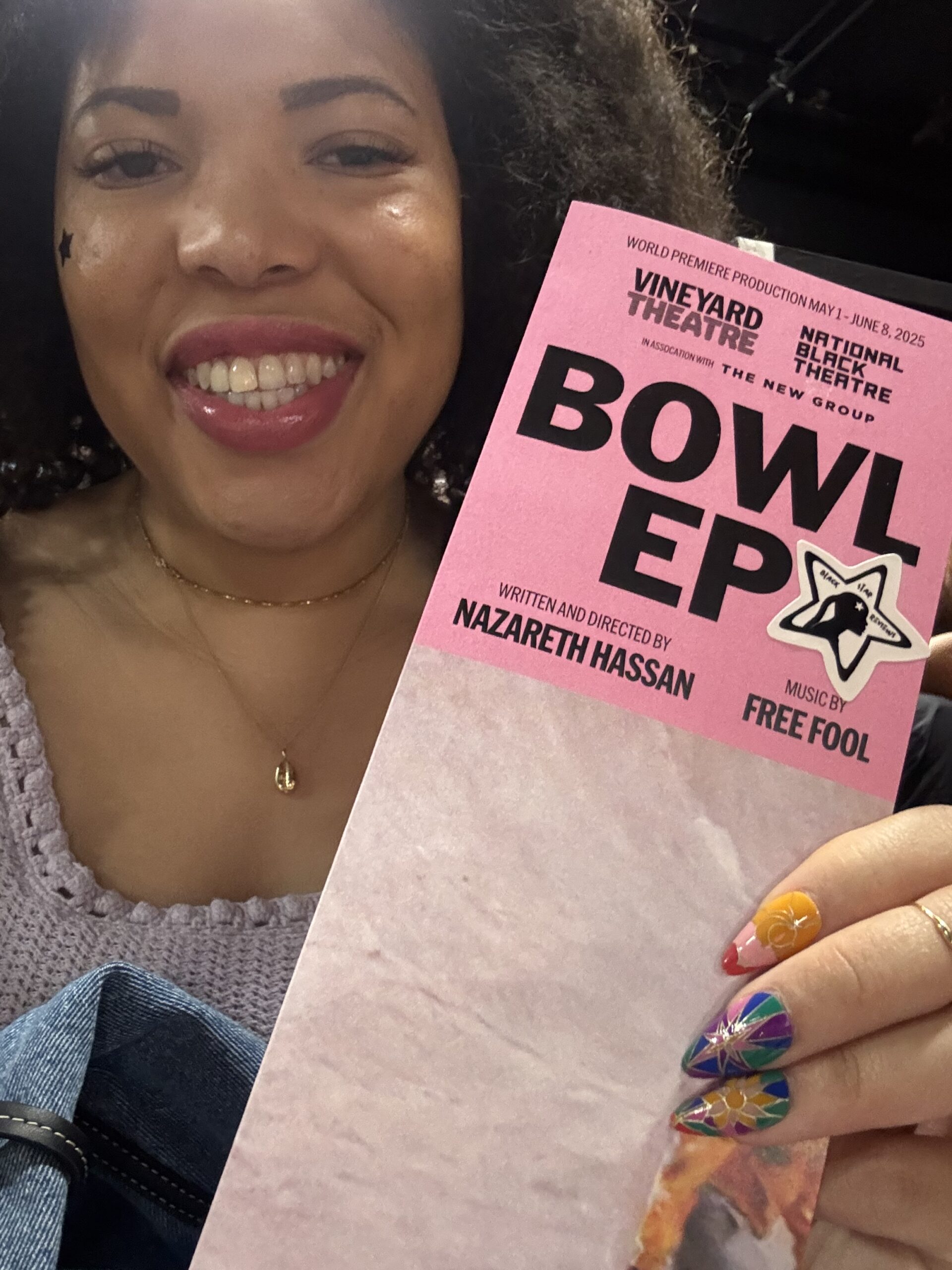
The world premiere of BOWL EP was co-produced by National Black Theatre and Vineyard Theatre in association with The New Group. The play was written and directed by Nazareth Hassan with music by Free Fool and featured Felicia Curry, Kalonjee Gallimore, Oghenero Gbaje, and Essence Lotus. The show was open from May 1 to June 22, 2025. I attended on June 18, 2025. I received a press ticket for the performance and offer my (belated but sincere) thanks to The Press Room.
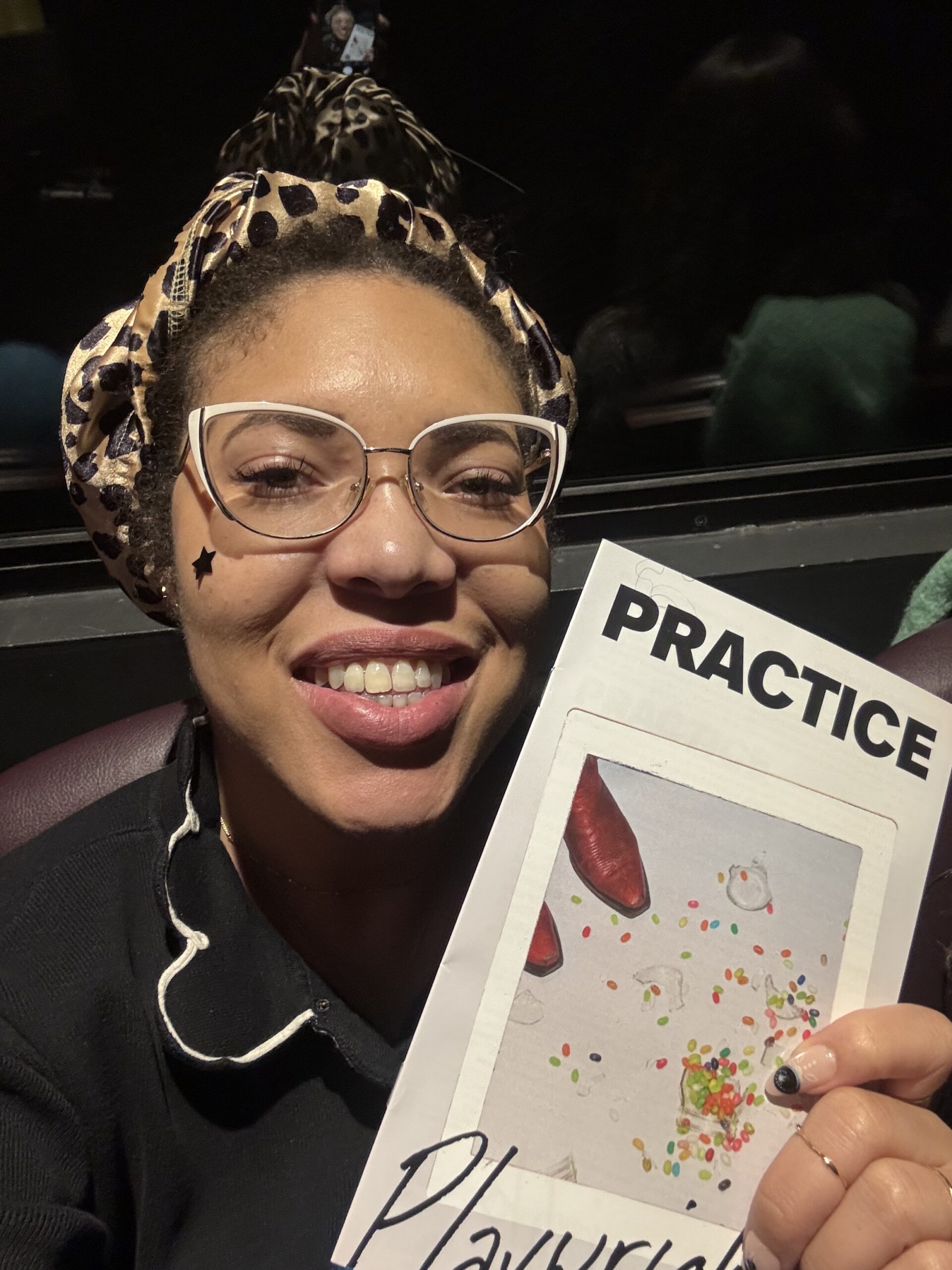
The Playwrights Horizons production of Practice was open from October 30 to December 19, 2025. The play was written by Nazareth Hassan, directed by Keenen Tyler Oliphant, and featured Opa Adeyemo, Maya Margarita, Karina Curet, Ronald Peet, Amanda Jahava, Susannah Perkins, Mark Junek, Omar Shafiuzzaman, Hayward Leach, and Alex Wyse. I attended on December 19, 2025 and purchased my own ticket to this performance.
-
- The set for BOWL EP at Vineyard Theatre
-
- The set for Practice at Playwrights Horizons
-
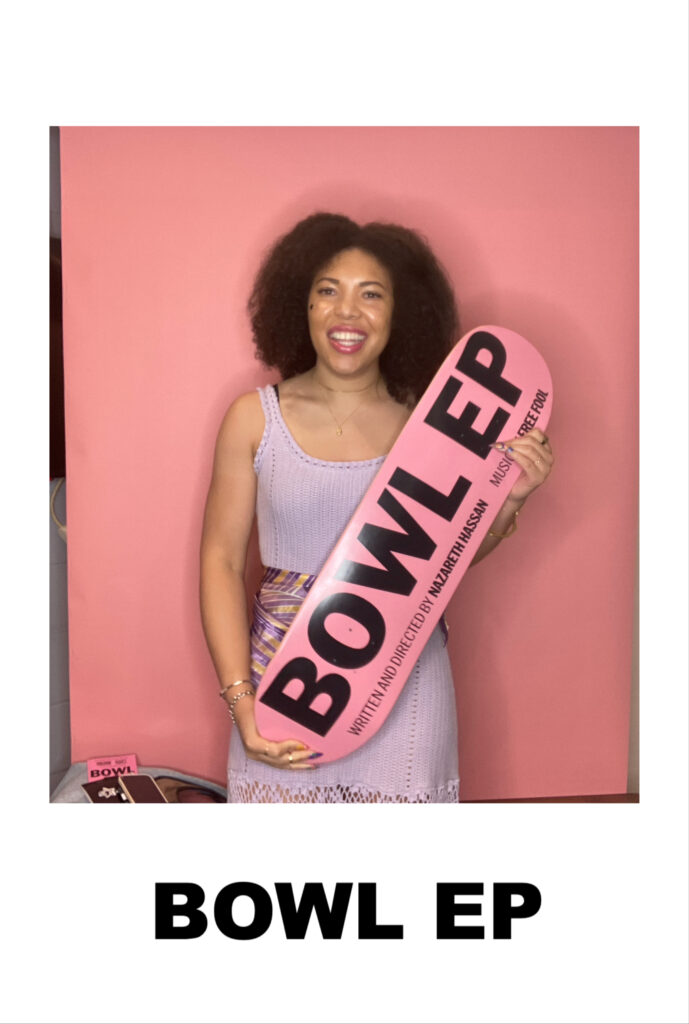
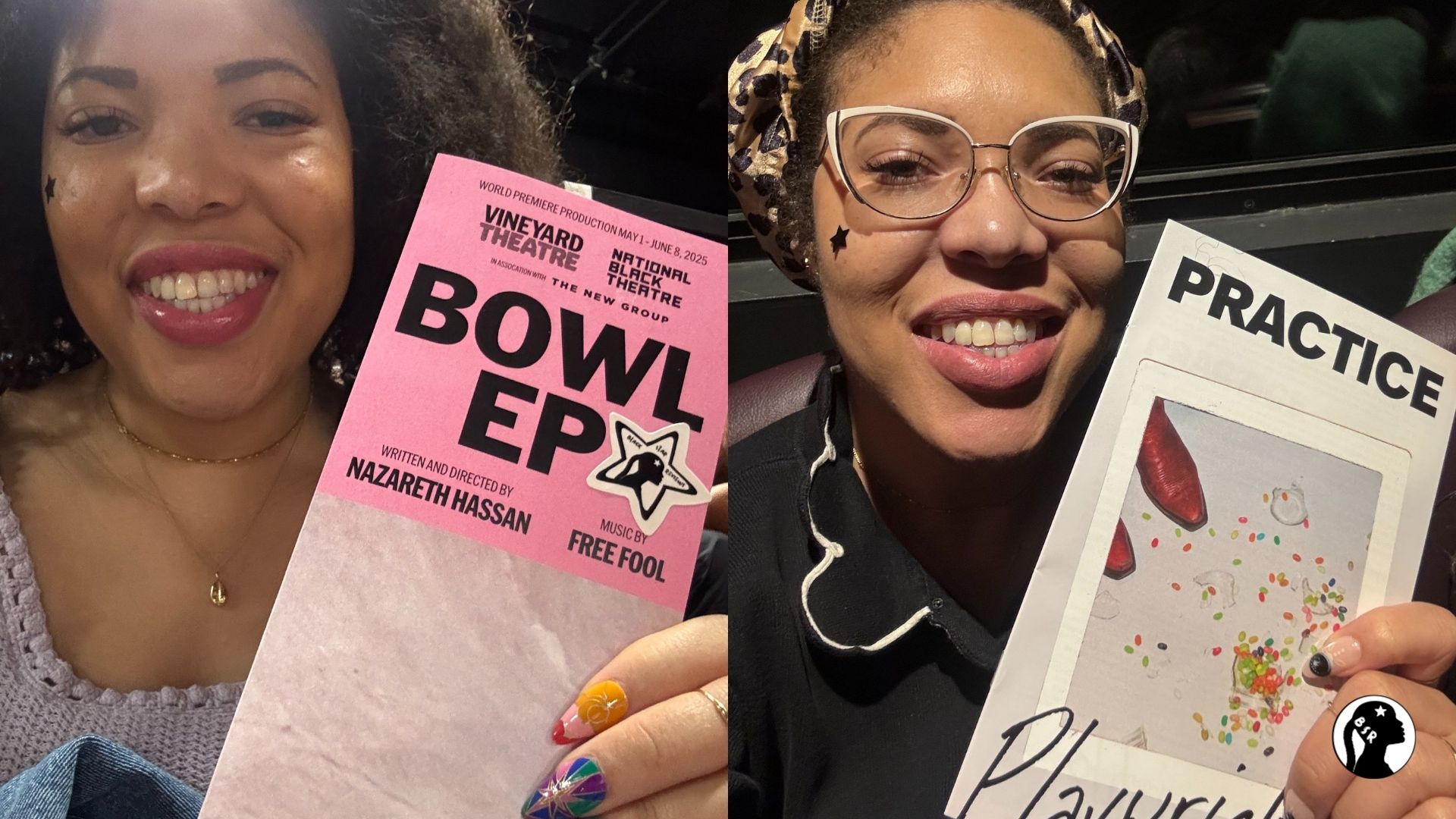
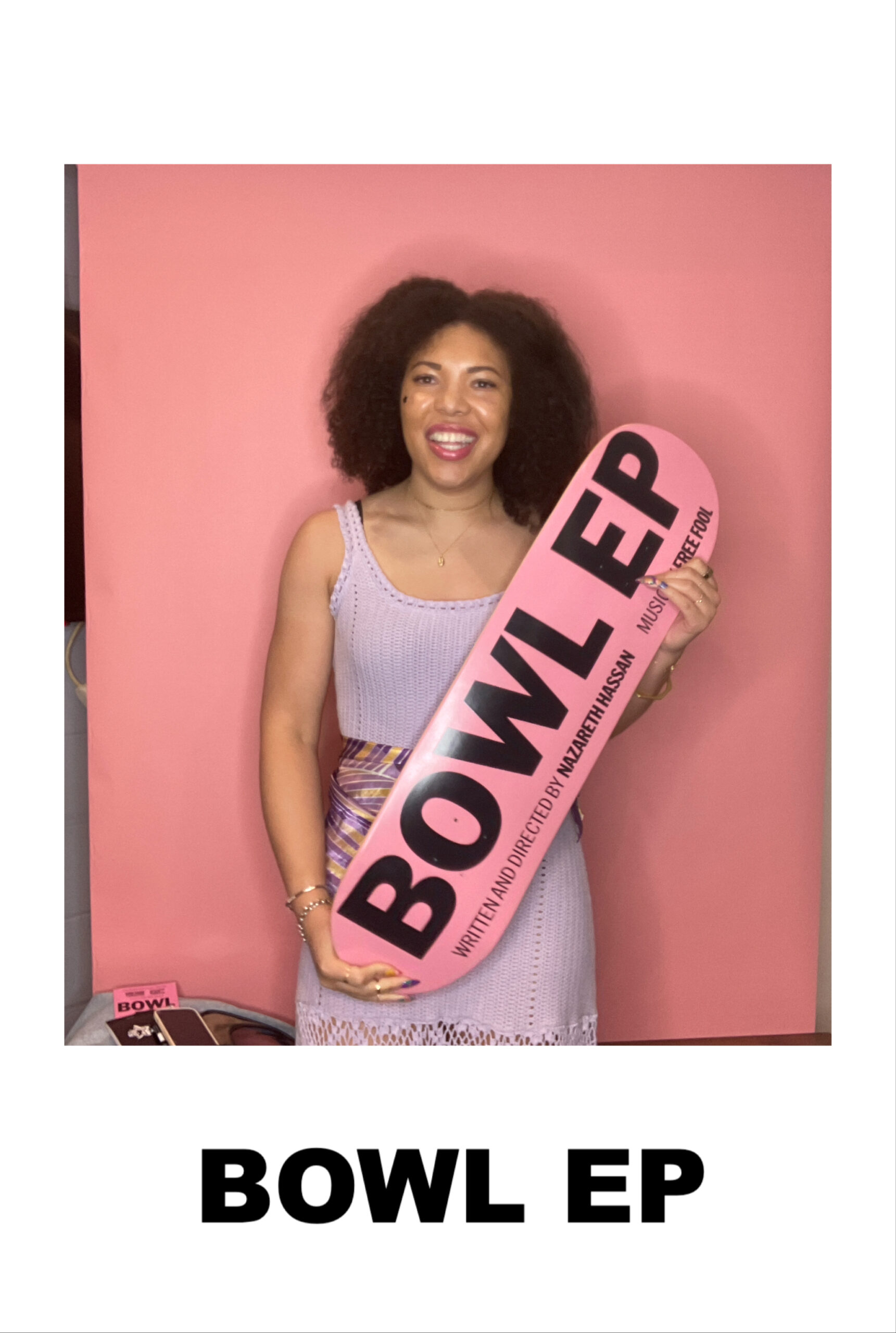
- In the photo booth at BOWL EP
-
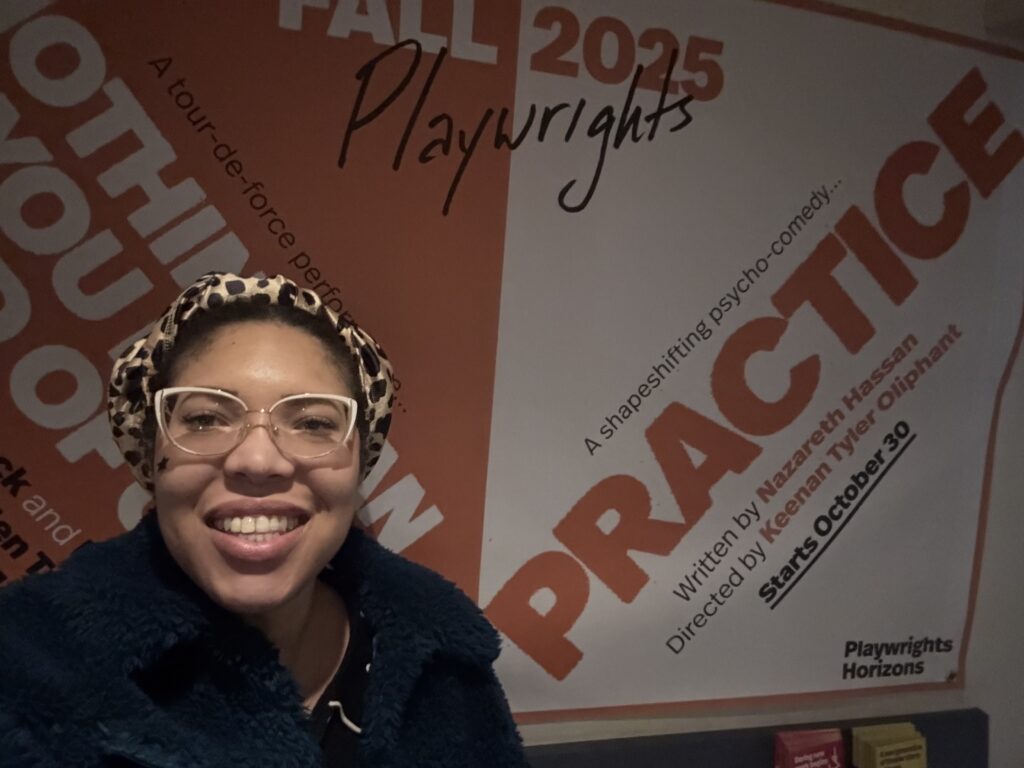
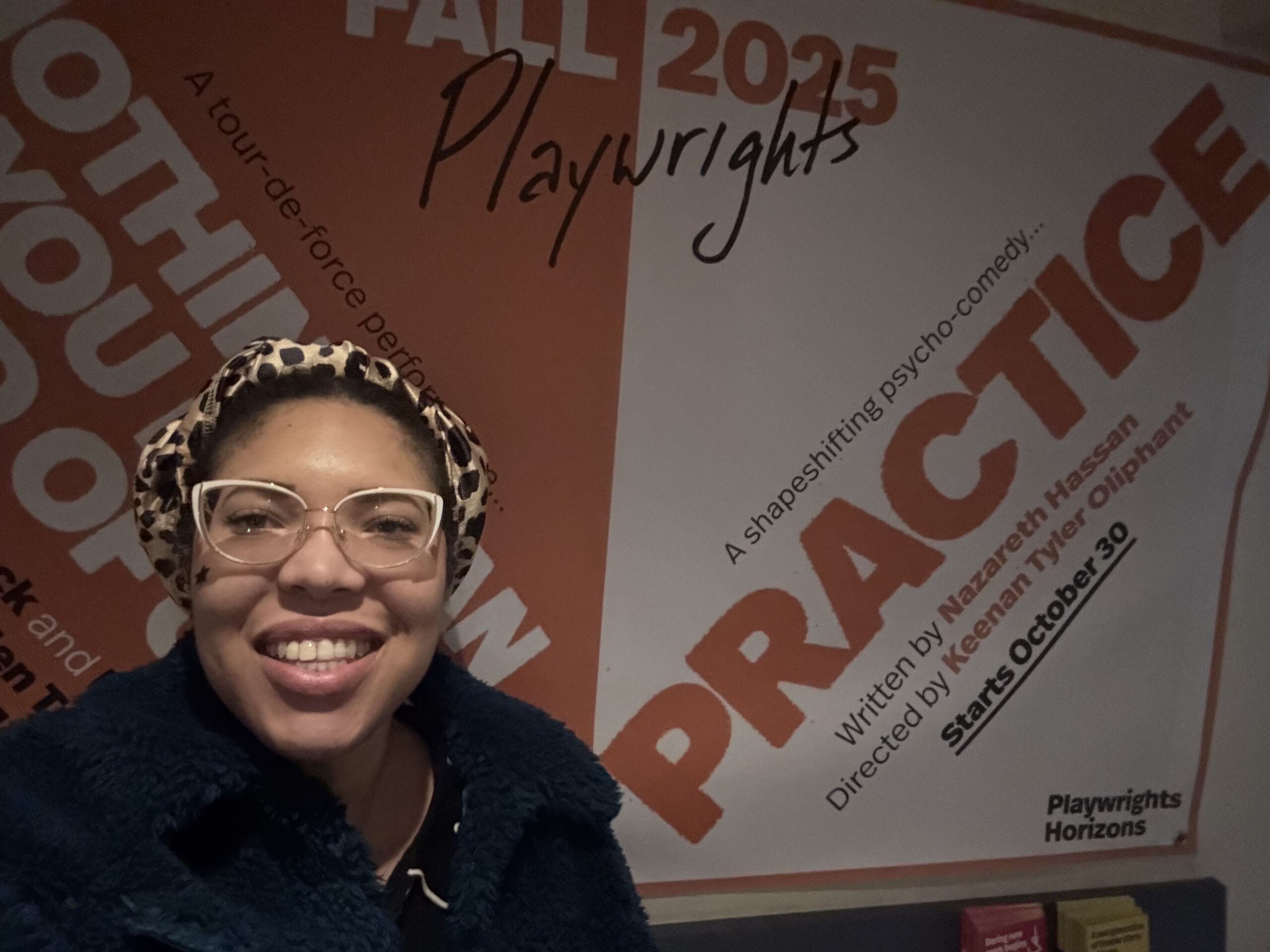
- After the final performance of Practice
-
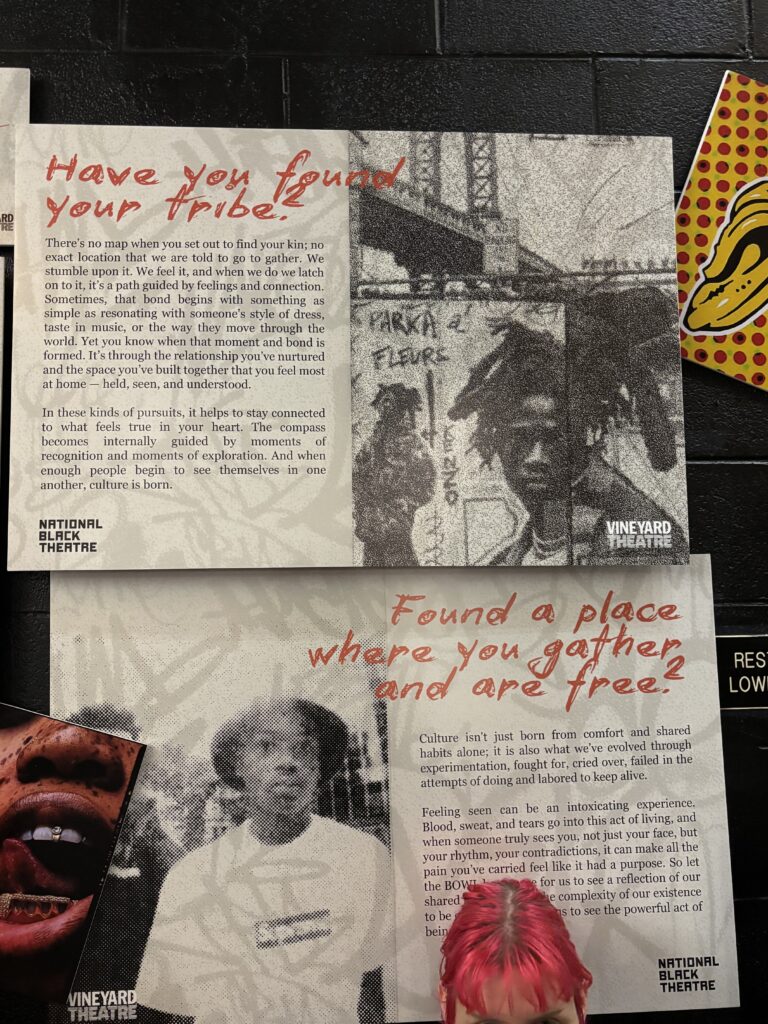
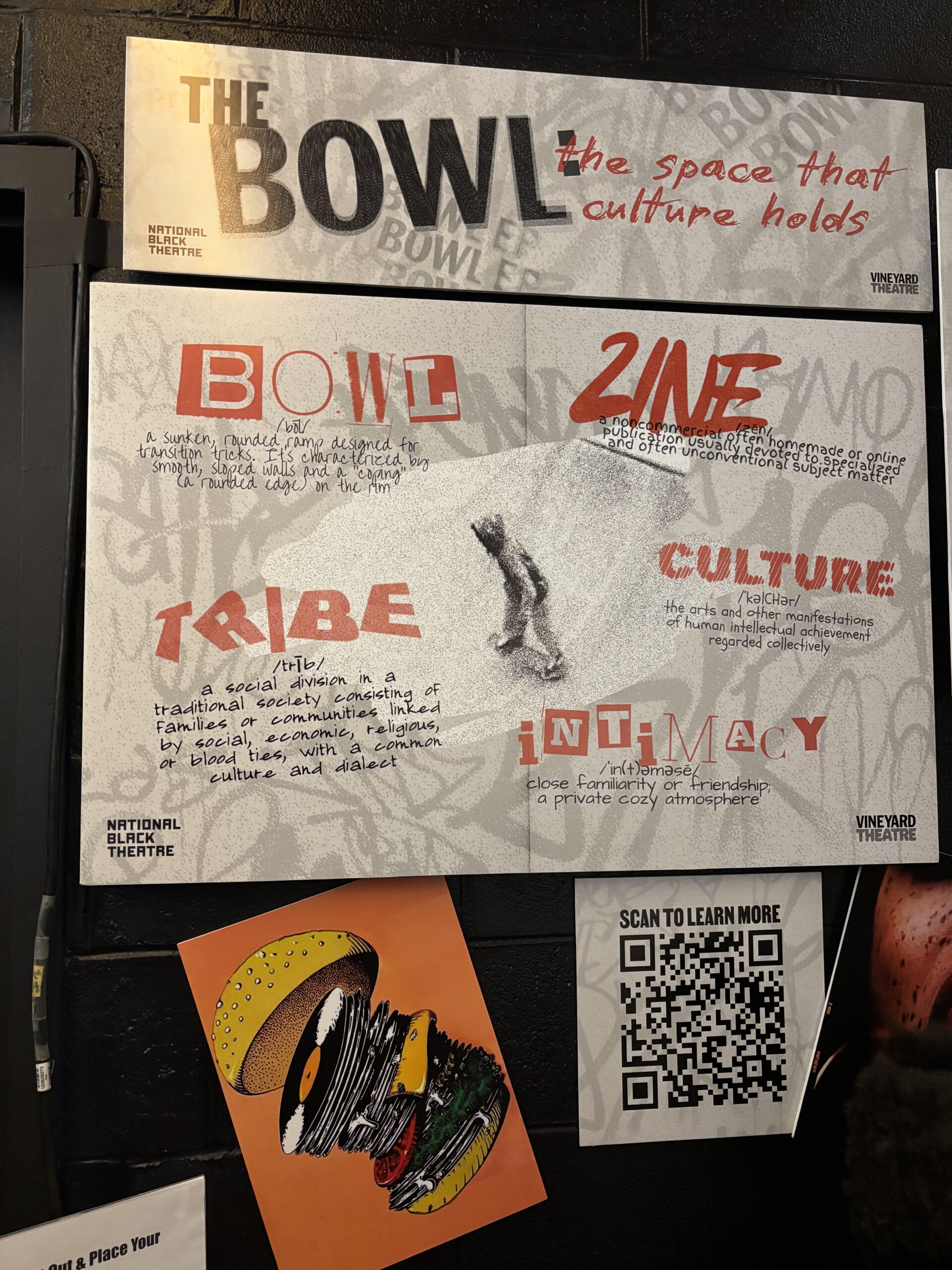
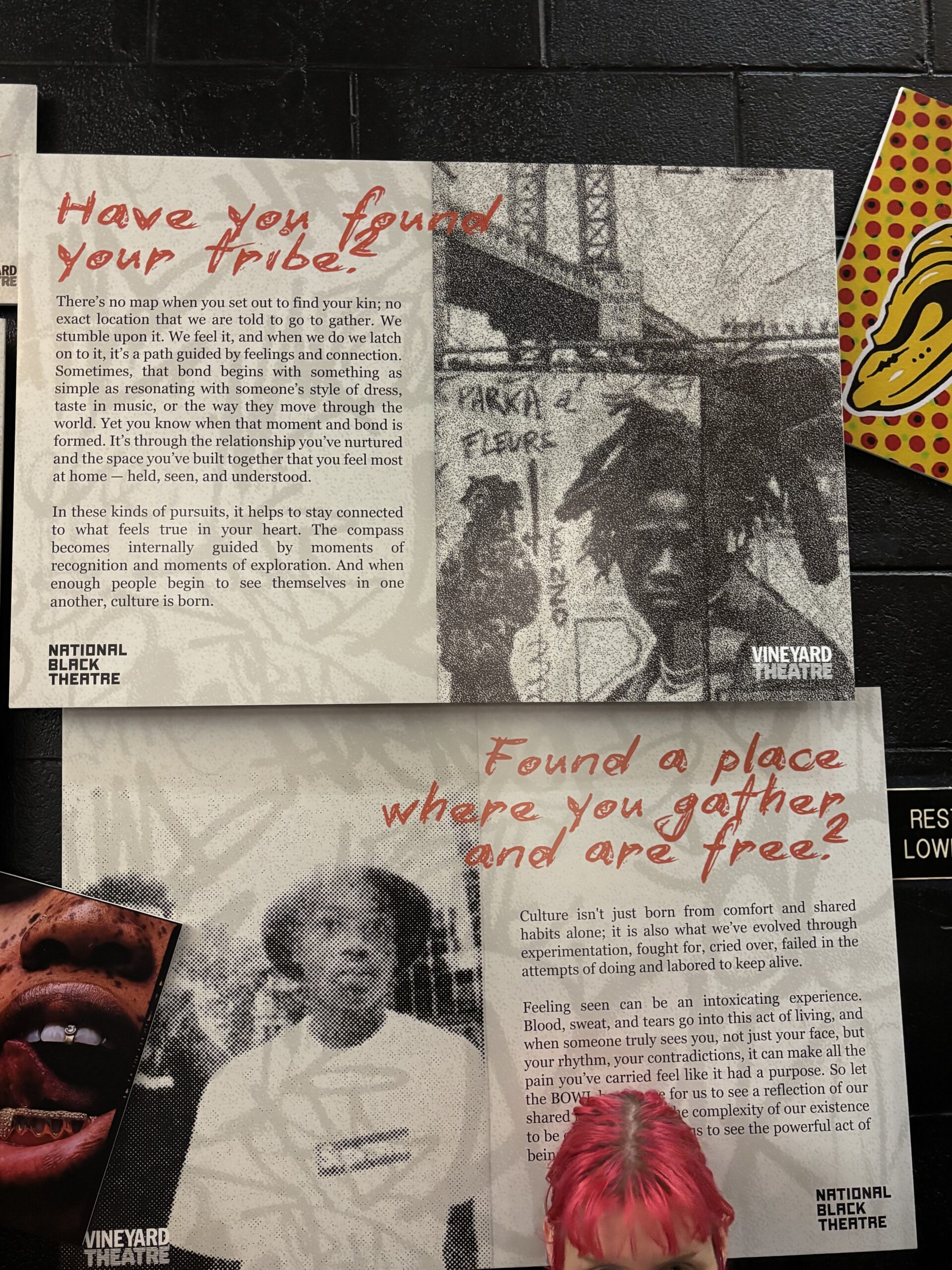
- NBT’s co-production of BOWL EP included a dramaturgical display about finding community in skate culture
-
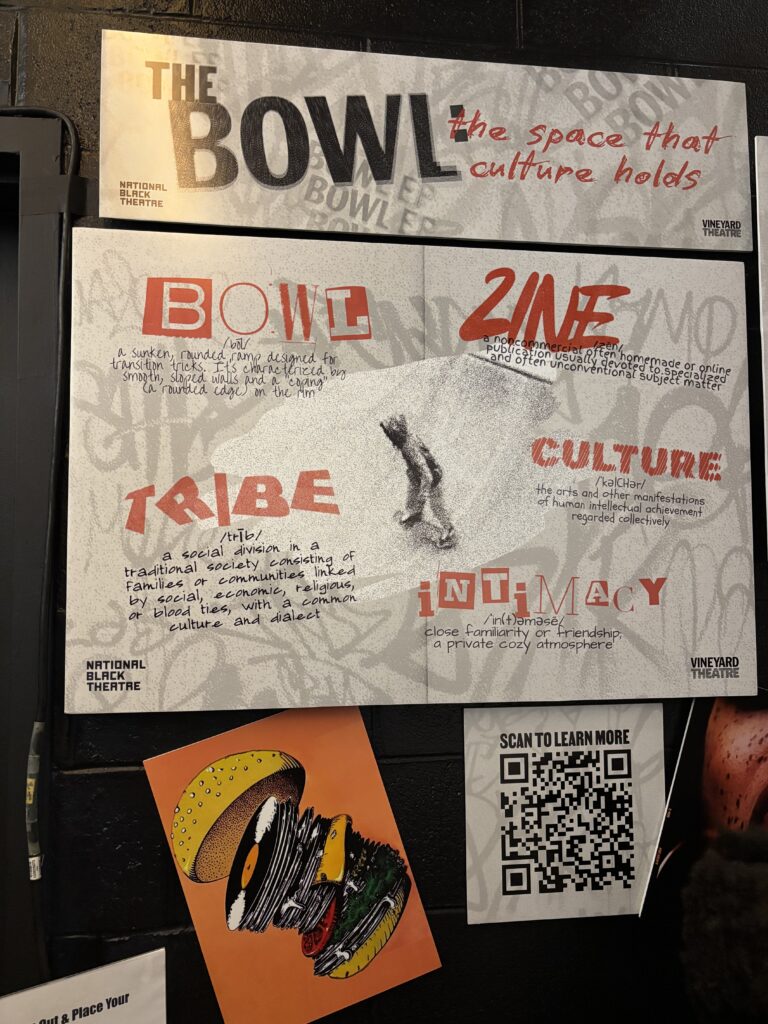
- NBT’s co-production of BOWL EP included a dramaturgical display with terms: bowl, zine, tribe, culture, intimacy