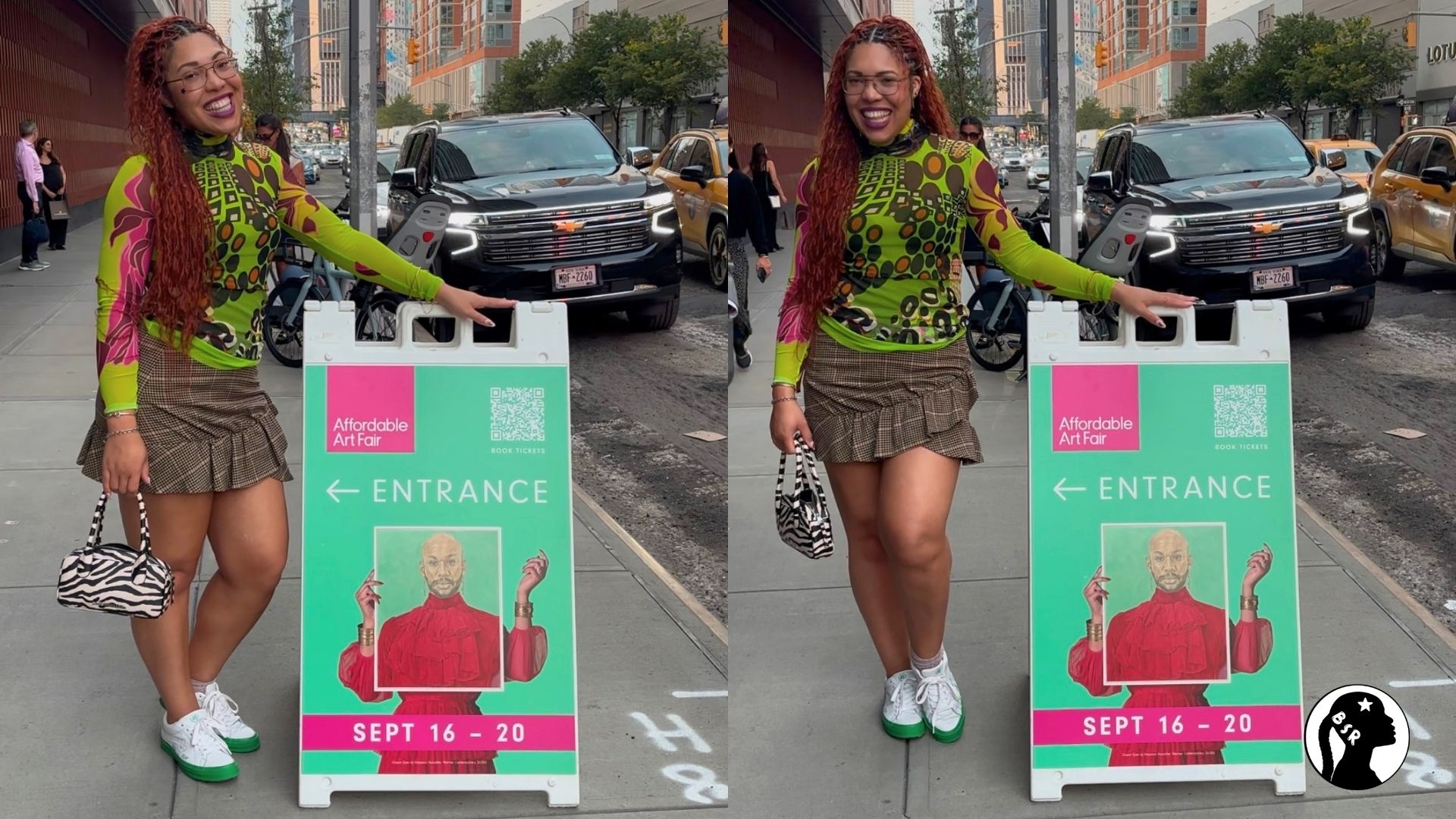
Affordable Art Fair Fall 2026
The Affordable Art Fair gains an edge and loses another
THE BOOTHS
My Top 4 Booths at the NYC Affordable Art Fair Fall 2026
I certainly didn’t get to see everything, but here’s what stood out (in no particular order).
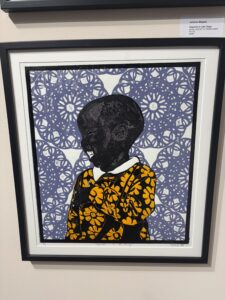
“Happiness in Little Things 2” (n.d.) by Johnson Mugabe; Spiralis Gallery
1. Spiralis Gallery, A13
Spiralis is a contemporary art gallery out of Easton, MD “dedicated to showcasing the bold, layered, and vibrant work of Afro-Caribbean and African diasporic artists-with a foundational focus on Haitian art” and a new addition to my list. Their AAF booth included a mixture of paintings and collages by Nigerian artists Abu Oluwaseyi and Tejiri Esewhaye and Zimbabwean artist Johnson Mugabe. I was particularly intrigued by Mugabe’s use of the phone book as backing for the collage Happiness In Little Things 2 (2026) and the stenciled doily pattern behind a collage of a young boy yawning. Tejiri Esewhaye’s primary colors and use of white framed sunglasses against brown skin tones in Together We Blossom (2026) and Ride With Me (2025) make me want to go for a romantic bike ride, motor or otherwise. The gallery representatives were kind and polite but the gallery is not Black-owned and, for reasons I’ve discussed before, I just have to try not to think too hard about that.
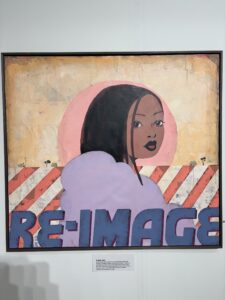
From Sean Qualls’ RE-IMAGE Series; Arts Gowanus
2. Arts Gowanus, special presentation
The Executive Director of Arts Gowanus owns Established Gallery and I can’t remember whether it was through the non-profit or the gallery that they brought me face-to-face with the work of Traci Johnson at the Affordable Art Fair in Fall 2024, but no matter which one it was I’m eternally grateful and I’m always curious to see what they’re bringing to AAF. This year’s booth featured mentor-fellow duos from their Fellowship program, including Sean Qualls and Shelby Jackson. Shelby’s petite stained-glass works hung from metal chains casting colored shadows on the wall. I liked Reality, Through The Looking Glass (n.d.), the one that looked like a Black fairy. Sean Qualls’s mixed-media collages reminded me of cartoon versions of billboards I saw on my trip to Ghana. I didn’t get to speak with him at the fair, but I looked him up later and realized why his style was immediately familiar. He illustrated children’s books that I used to read to my class as a teacher: The Art of Loving and Emmanuel’s Dream.
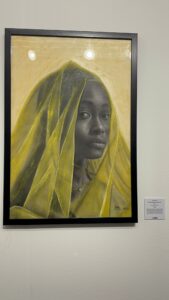
“What Remains Uncovered” (2026) by Ezekiel Orie; Art Pantheon
3. Art Pantheon, C14
Art Pantheon is a Lagos, Nigeria-based contemporary African art gallery. I listed it as a booth to visit for the Fall 2024 fair and I still remember Bearer of Strength (2024), Tosin Toromade’s striking painting of a Black man in a green robe with a red balloon. The softness of that portrait, as well as Emergence (2024) which depicts a similar man exhaling among blue and yellow butterflies — has stayed with me. (They both sold within two days of the fair’s public opening.) This time the Art Pantheon booth introduced me to Ezekiel Orie, whose use of charcoal and pastel creates portraits where the figure is in black and white while everything else is in living color. What Remains Uncovered (2026) depicts a pensive woman with a pendant necklace beneath a yellow veil and at $1,750 this 2-foot tall work was actually what I’d consider to be affordable. In works by Stanley Ugonabo, heads descended from the top of the canvas with a contrail of smaller heads following behind. These were a little abstract for my current tastes but a few pieces were already sporting red dots at the VIP preview (there really is something for everyone).
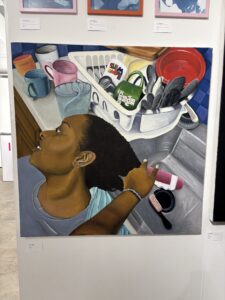
“Tradition” (2026) by Rhoda Clayton; SHEER
4. SHEER, A1
SHEER is an NYC-based, woman-owned pop-up gallery returning to the fair after a recent hiatus. It’s always colorful, energetic, and one of the more unique curations in a room full of plain white walls. This year’s booth featured new paper-on-wood collages by Nia Imani Winslow, including Smokes After Class (2026), which is begging to be displayed during any reading of Gwendolyn Brooks unforgettable poem “We Real Cool” and fantastic textiles by Asari Aibangbee which incorporate cowrie shells, hand-beading, and blue-tinted silhouettes of elaborately braided hair framed by various textures and colors of yarn. (There were also yarn-less cyanotypes in muted plastic frames.) I could smell the Creme of Nature shampoo I grew up using when I saw Rhoda Clayton’s oil painting Tradition (2026). It shows a kitchen countertop overcrowded with mugs on a drying rack bends like a zoomed-out photo behind a woman getting her hair washed in the sink. The tendon in her neck is relatably visible as she leans her head backward on the sink’s uncomfortable ledge. Been there. Once again, SHEER delivers artwork I can see — and feel — myself in.
Booths aside, let’s talk fair.
THE FAIR
Glad tidings for fall art fair season! Instagram ads and promotional emails abound for The Armory Show which will return during the last weekend of September, same as last year. Unlike last year, however, Art on Paper sat this one out and plans to return in 2027, which means the Affordable Art Fair, typically held in mid-September was one of the first of the season.
From my vantage point, the Art Fair scene is pretty crowded, carving out a space in the spring is like trying to yell to a friend across Times Square, but fall has a little wiggle room. In fact, Artforum and ARTNews have teamed up to produce the inaugural Art Week NYC in November, which invites visitors to “experience the city’s vibrant art landscape through gallery openings, exhibition walkthroughs, artist talks, public programming, neighborhood walking tours, and retail experiences, all woven into the fabric of New York’s most distinct neighborhoods and cultural institutions”. To be honest, I’m not sure what that means or what it will look like. It sounds quite similar to things that already happen all over the city every day. And this is the root of the issue for the competitors in the Art Fair field: how is your event different?
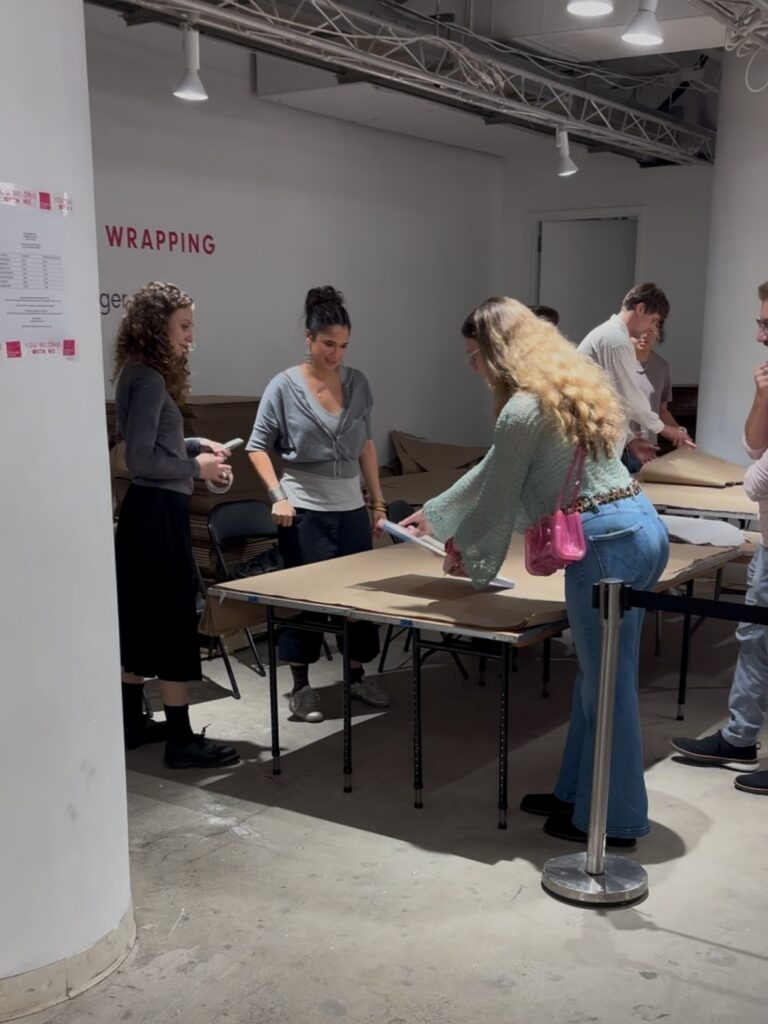
Customers await on-site wrapping for art purchases
The Affordable Art Fair boasts its difference right at the front of its name, and it’s a compelling selling point. Many normal people would love to own art, but they’re aware that the artists who are household names — Basquiat, Kahlo, Warhol — are beyond their budgets. Every year the Affordable Art Fair was housed in the Metropolitan Pavilion I overheard no less than 3 people ask a companion whether $5,000 or $7,500 or even $2,250 was actually “affordable”. The low entry ticket price guaranteed excellent foot traffic, the boozy Art After Dark events catered to an upwardly mobile (at least, aspirationally so) millennial audience, and the location on 18th between 6th and 7th Avenues was easy to get to from any borough or after work.
But the Metropolitan version of the fair had its drawbacks: the space was tight, the bar was on the second floor but you couldn’t take drinks on the stairs, and getting the art inside the space was a headache for the handlers and galleries. And even though I don’t have any data to back me up, I get the feeling that despite the 4-day packed house, people were spending more time balking at the prices than really buying art. (Though I could be wrong.) If the fair organizers had asked me to join a focus group, I would’ve repeated what I’d heard AAF after AAF: where is the art that’s affordable for me? Now that I’ve been to more fairs — The Armory Show, 1-54, Art on Paper, and the Hamptons Art Fair — I can see the disconnect. If we measure by the Art World’s definition of “affordable” then AAF delivers, but “affordable” means another thing entirely in the real world where people are not art-fluent and are more like casual shoppers than serious collectors.
The new version of the fair has solved some of its old problems. Now that it’s at the Starrett-Lehigh building on the far West side, south of Hudson Yards, space is no longer a limitation and only the truly motivated will make the trek. The Fall 2024 Affordable Art Fair boasted 75 galleries according to NYC Plugged. The map for 2026 shows 93 exhibitors plus areas for shipping and wrapping, framing, two bars, one lounge and a children’s area that’s only open on weekends.
Spreading things out, check.
More fluid bar situation, check.
Easy highway access and big elevators for handlers, check.
That said, the fair is in an interior space on the fourth floor, which does make it feel like a windowless maze and the wait time for elevators can be frustrating. There’s a designated section for artwork that’s less than $1,000 but those selections may not be what you had in mind to replace the large-format canvas you got from Home Goods for $59.99 when you first moved in.
Real world affordability addressed, no check.
The attendees I saw at the Wednesday night VIP Preview were not budding couples out on their second date like it used to be at Metropolitan, but weathered men in blazers and gold watches alongside blonde women in boucle and tweed — less Hinge, more Hamptons. The K-shaped economy must be hitting everyone hard if the Upper East Siders aren’t afraid to be seen at an event branded “affordable”. At the same time, I saw two fiber works sell during my 10-minute visit to the SHEER booth. Red dots peppered gallery walls and there were lines of people impatiently waiting to have their purchased art wrapped on-site. By these metrics at least, the Affordable Art Fair may have solved their semantics problem by finding a new audience.
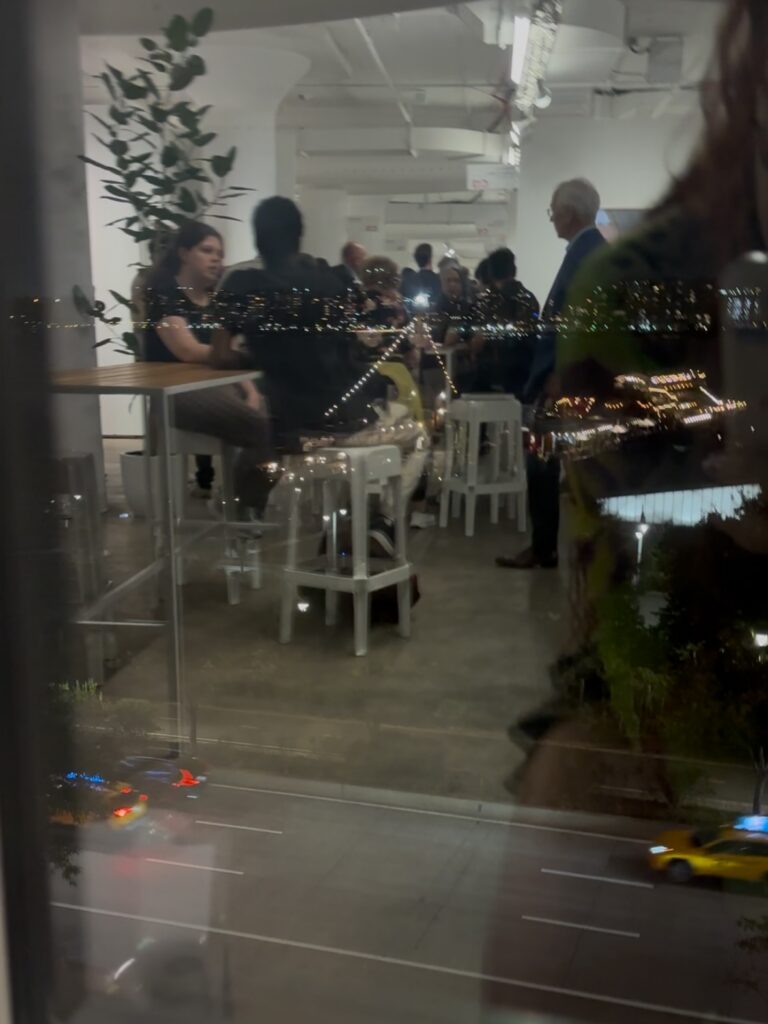
A view of the lounge area in the reflection of a Hudson River-facing window
Since Affordable seems to have given up on the normies, there’s now a whole new niche where an entrepreneurial group could deliver on art for “the rest of us”, but I have a feeling that’s not what Art Week NYC has in mind. Whether or not I return to Affordable in the Spring will likely come down to dollars and sense, if I’m not invited by a participating gallery it’s a long way to go for a fair that looks and feels like another night out in a city that’s packed to the gills with culture for sale.
blacklove 🖤 and starlight 🌟
The Fall 2026 New York Affordable Art Fair took place at the Starrett-Lehigh Building from Wednesday, September 16 to Sunday, September 20, 2026. Tickets are required for entry. All works are available for purchase. Prices range from $100 to $12,000. The fair will return to New York in the spring of 2027.
-
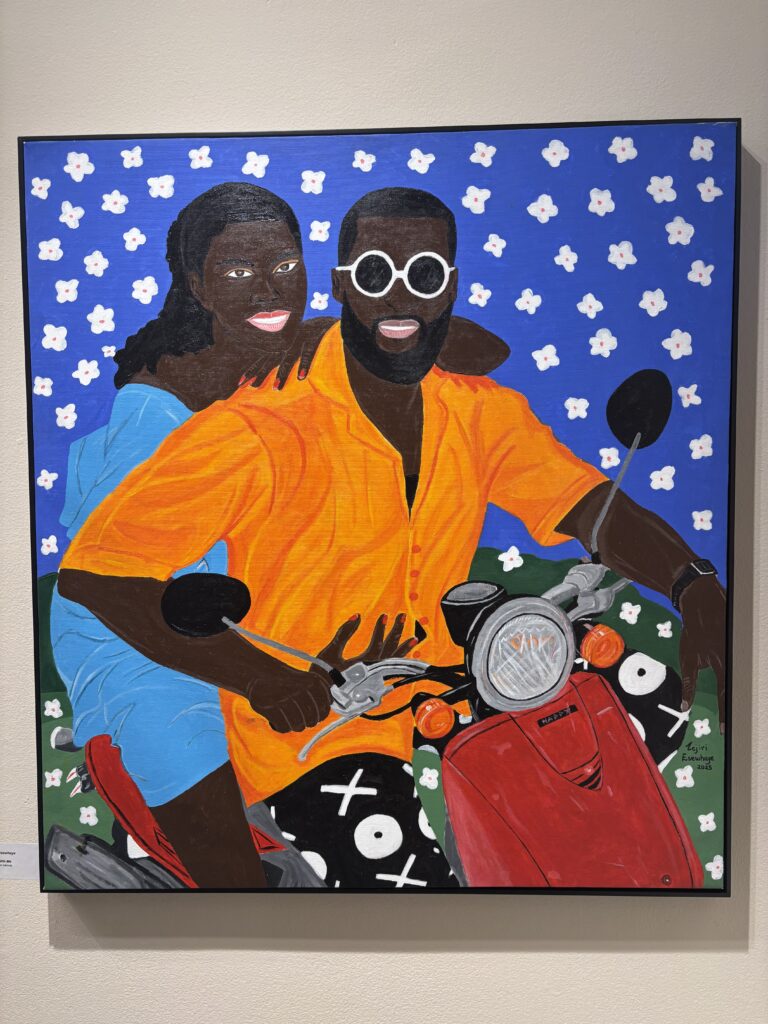
- “Ride With Me” (2025) by Tejiri Esewhaye; Spiralis Gallery
-
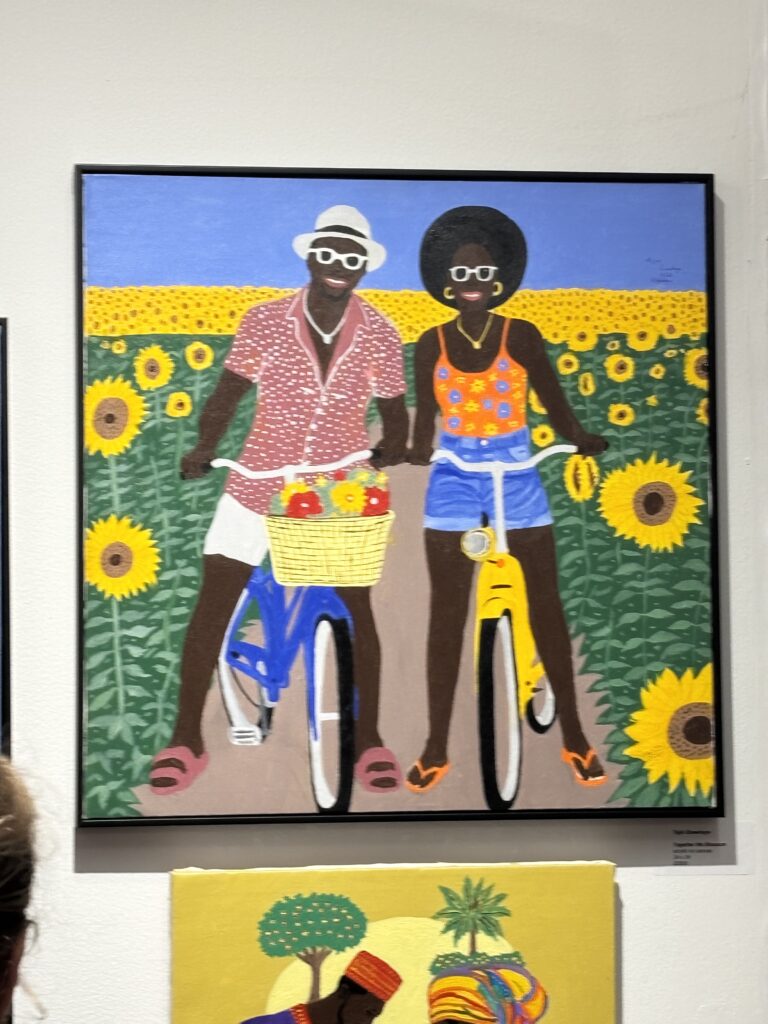
- “Together We Blossom” (2025) by Tejiri Esewhaye; Spiralis Gallery
-
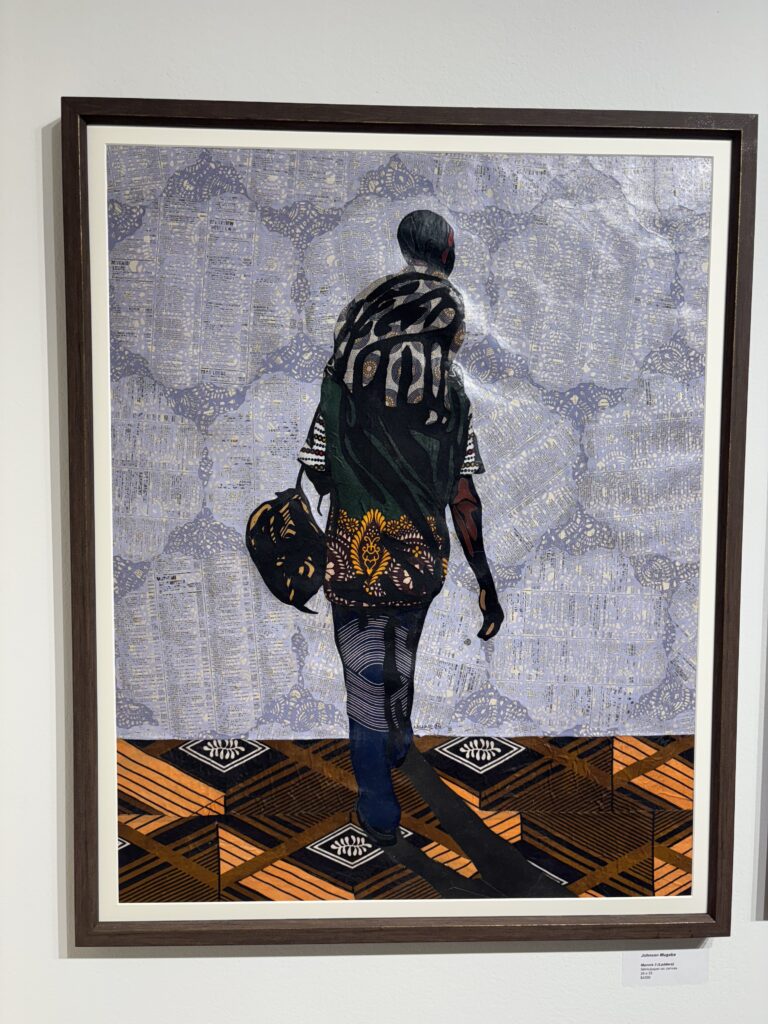
- “Manera 3 (Ladders)” (n.d.) by Johnson Mugabe; Spiralis Gallery
-
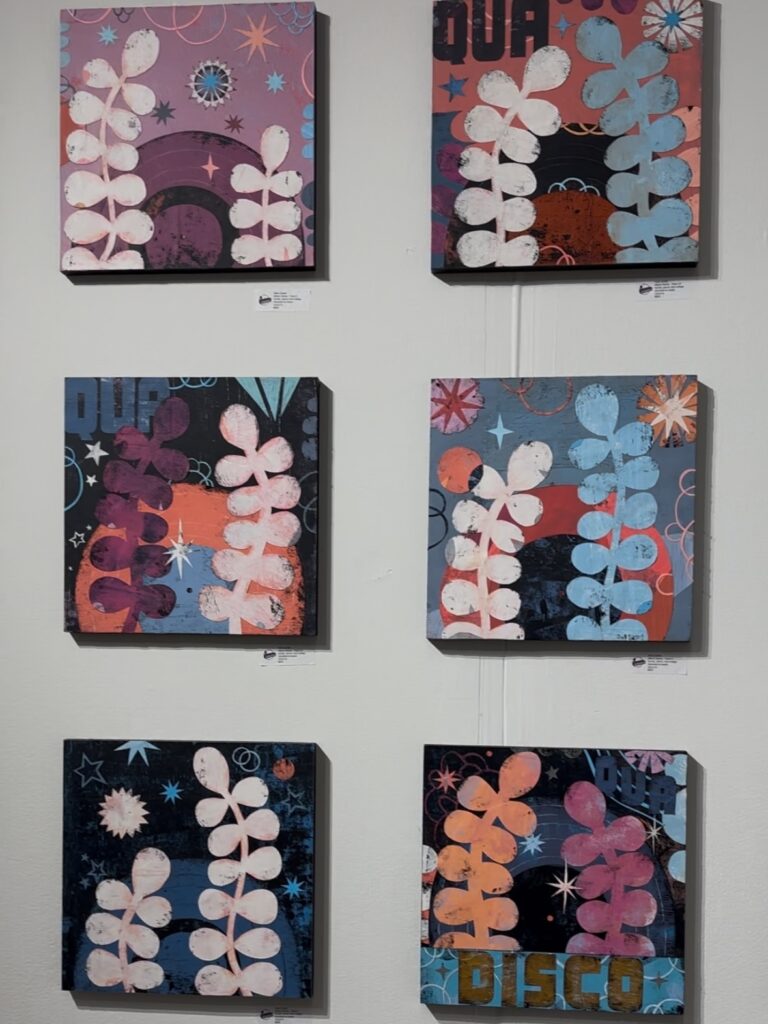
- Selected works by Sean Qualls; Arts Gowanus
-
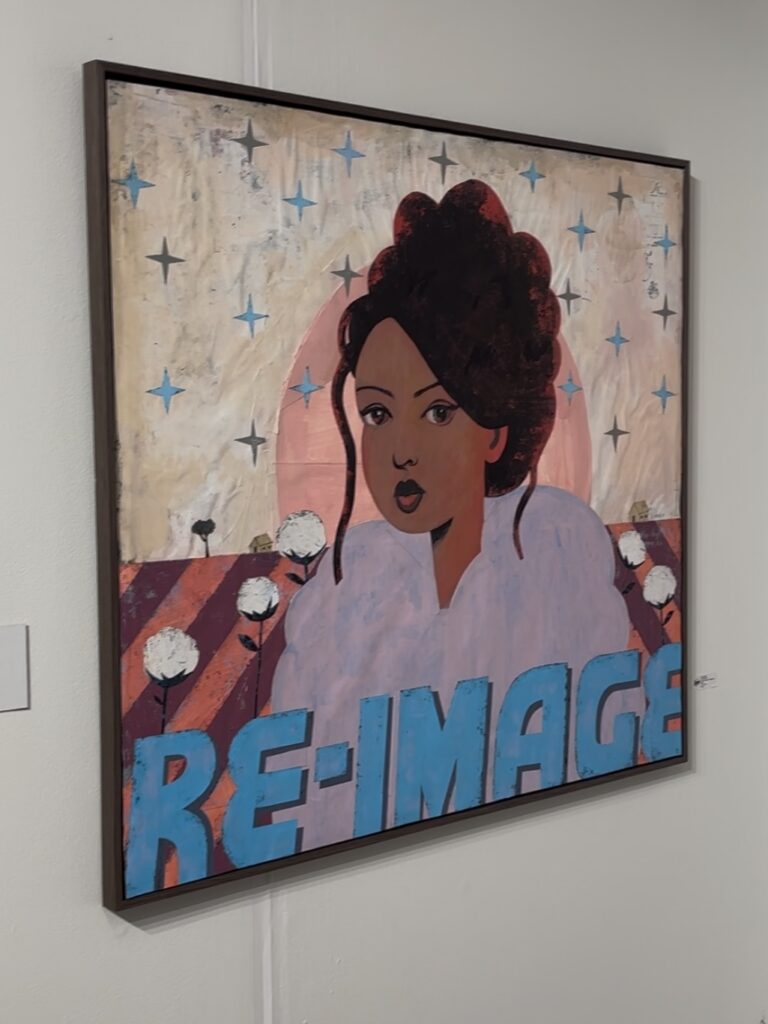
- “RE-IMAGE #5” (2026) by Sean Qualls; Arts Gowanus
-
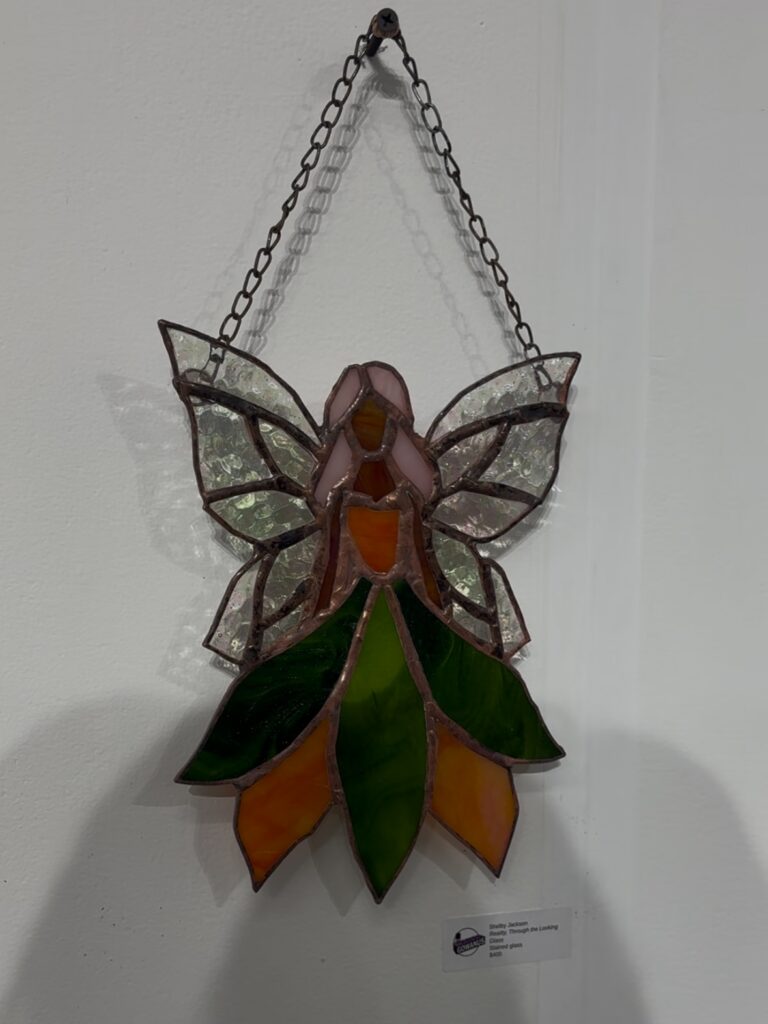
- “Reality, Through the Looking Glass” (n.d.) by Shelly Jackson; Arts Gowanus
-
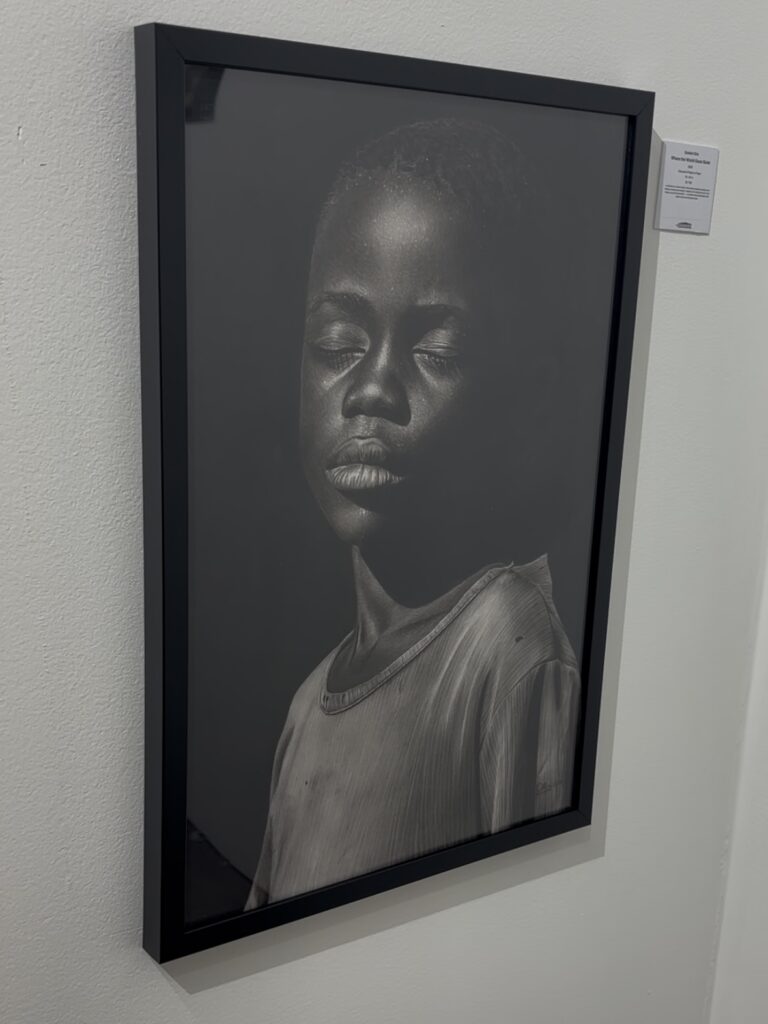
- “Where the World Goes Quiet” (2026) by Ezekiel Orie; Art Pantheon
-
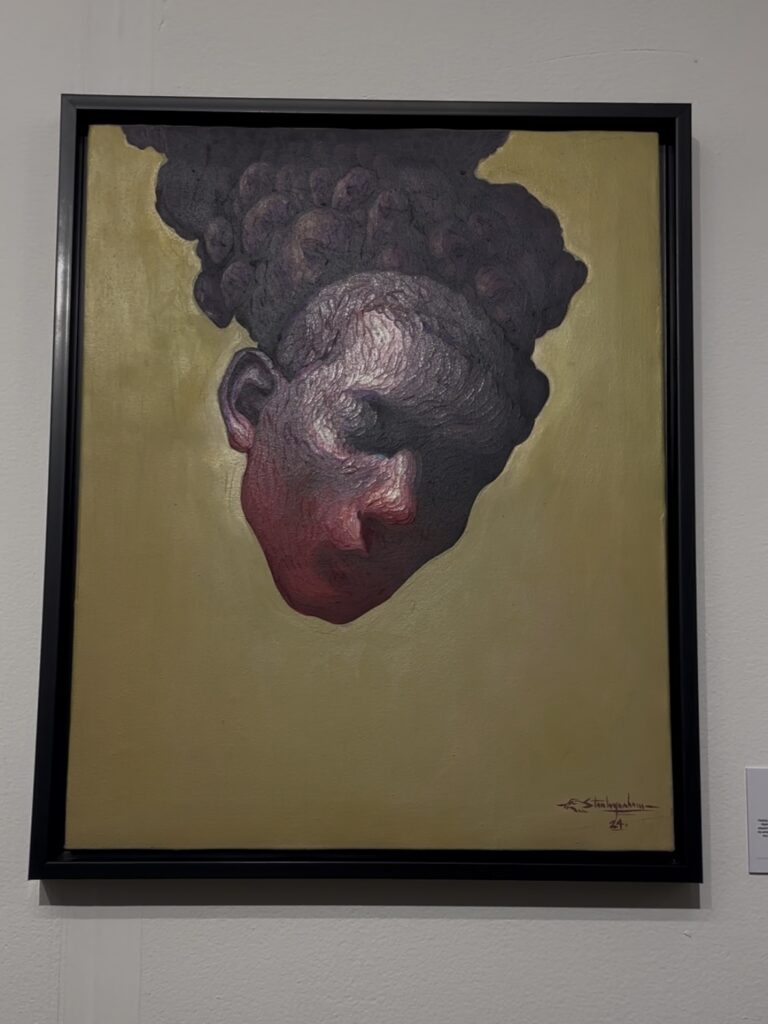
- “Fleeting Nile” (2026) by Stanley Ugonabo; Art Pantheon
-
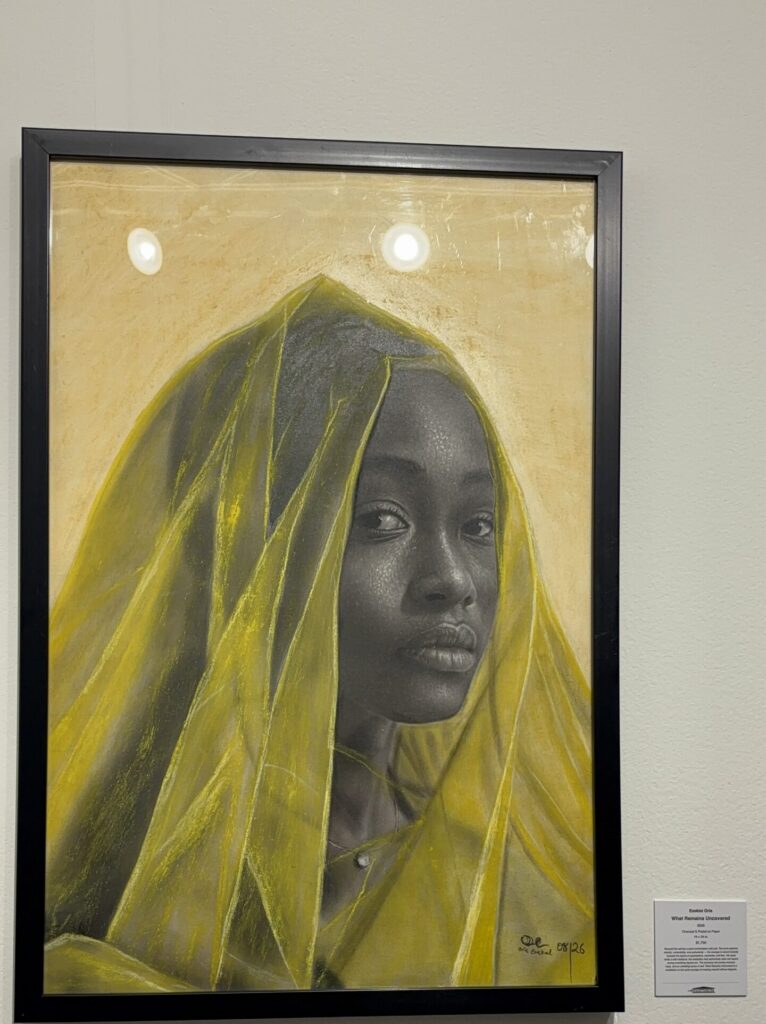
- “What Remains Uncovered” (2026) by Ezekiel Orie; Art Pantheon
-
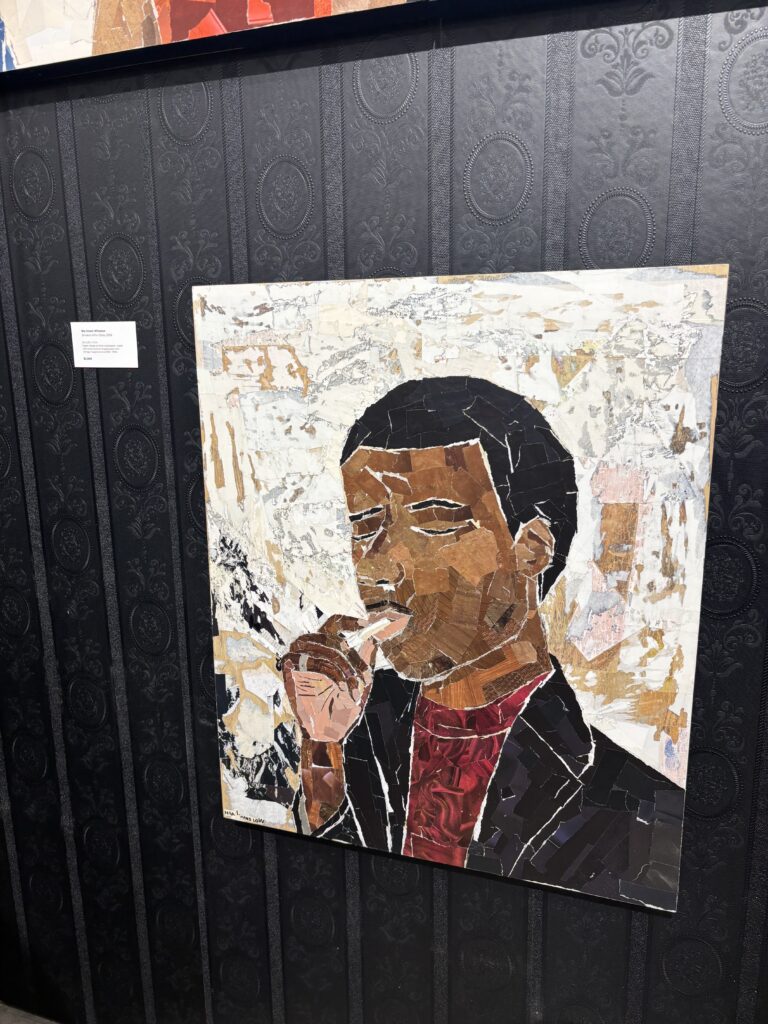
- “Smokes After Class” (2026) by Nia Imani Winslow; SHEER
-
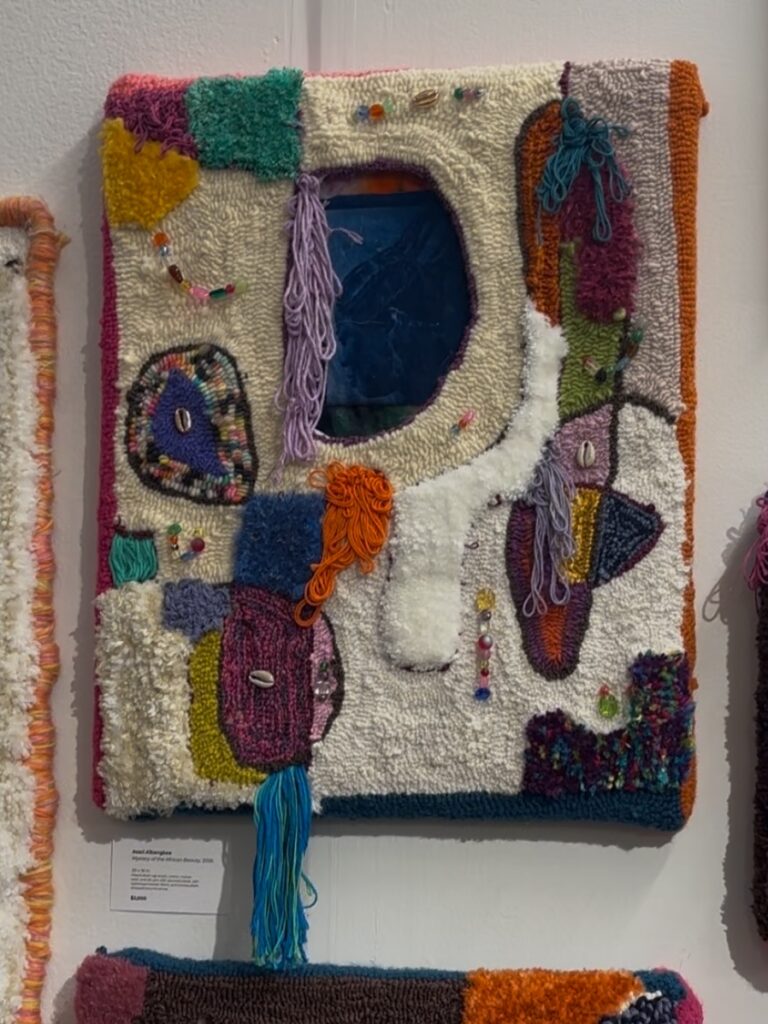
- “Mystery of the African Beauty” (2026) by Asari Aibangbee; SHEER
-
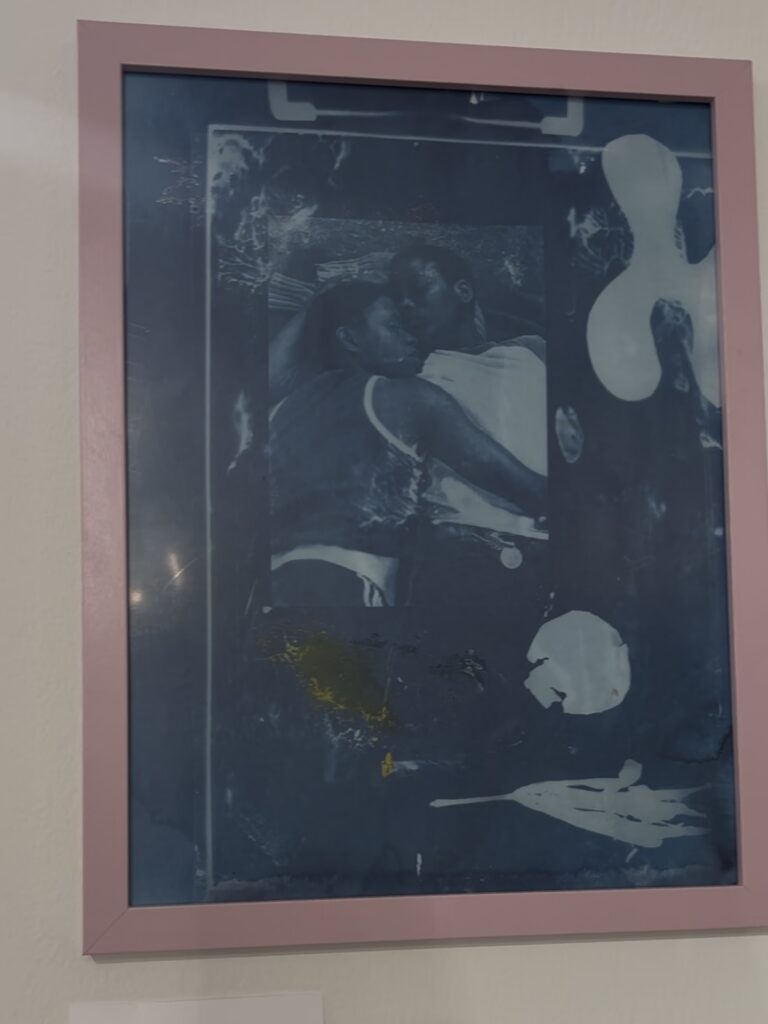
- “Lovers in queerness (#1)” (2026) by Asari Aibangbee; SHEER
